We are losing Earth's greatest biological treasures just as we are beginning to appreciate their true value. Rainforests once covered 14% of the earth's land surface; now they cover a mere 6% and experts estimate that the last remaining rainforests could be consumed in less than 40 years.
One and one-half acres of rainforest are lost every second with tragic consequences for both developing and industrial countries.
Rainforests are being destroyed because the value of rainforest land is percieved as only the value of its timber by short-sighted governments, multi-national logging companies, and land owners.
Nearly half of the world's species of plants, animals and microoganisms will be destroyed or severely threatened over the next quarter century due to Rainforest deforestation.
Experts estimates that we are losing 137 plant, animal and insect species every single day due to rainforest deforestation. That equates to 50,000 species a year. As the rainforest species dissapear, so do many possible cures for life-threatening diseases.
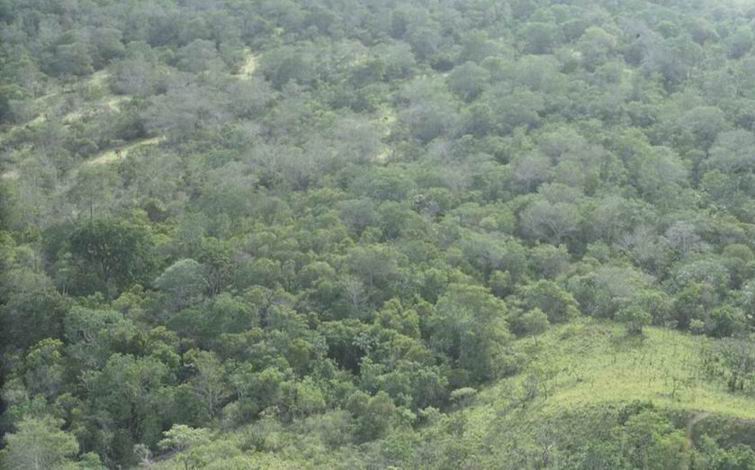 Amazon Rainforest created by משתמש:בן הט×...
 English: View of Amazon basin forest north of Mana...
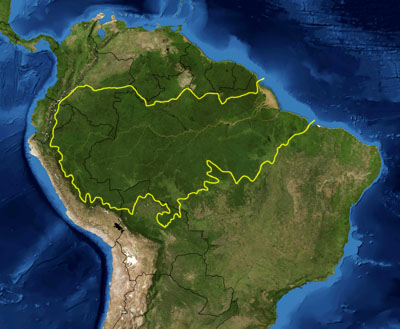 This is a map location of the Amazon Basin. The ye...
Currently, 121 prescription drugs sold worldwide come from plant-derived sources. While 25% of Western pharmaceuticals are derived from rainforest ingredients, less that 1% of these tropical trees and plants have been tested by scientists.
Most rainforests are cleared by chainsaws, bulldozers and fires for its timber value and then are followed by farming and ranching operations, even by world giants like Mitsubishi Corporation, Gerogia Pacific, Texaco and Unocal.
There were an estimated ten million Indians living in the Amazonian Rainforest five centuries ago. Today there are less than 200,000.
In Brazil alone, European colonists have destroyed more than 90 indigenous tribes since the 1900's. With them have gone centuries of accumulated knowledge of the medicinal value of rainforest species. As their homelands continue to be destoyed by deforestation, rainforest peoples are also dissappearing.
Most medicine men and shamans remaining in...
Good report on a sad situation
It is informative. I think this is quite well written for someone of your grade. A few spelling and grammar mistakes (such as the two Rainforests capitalizations).
1 out of 2 people found this comment useful.