Discuss the Importance of Language in the Development of the Nation State and / or Cultural Identity
There are various different ways in which people interact with one another, communication being the most common, and language being the most common form of communication. We use it to convey our emotions, thoughts and feelings, and to express ourselves. Language is an absolutely integral part of the survival of the human race, and a key aspect of various cultures. Whatever is considered meaningful to a group of individuals - from their daily routine to less regular traditions and rituals - constitutes a culture, and is obeyed and treated with respect by all members. Language is merely one such component, being both part of daily life and part of tradition, yet it is one of the most important. Whether this language is used by large percentages of the world's populations, such as English, or by significantly smaller groups, such as ethnic minorities who may speak a language of their own, it is undoubtedly a cornerstone of culture and vital to the development of a nation. For this essay, I will be discussing the role of language in the development of both the nation state and cultural identity, although I shall focus primarily on the latter.
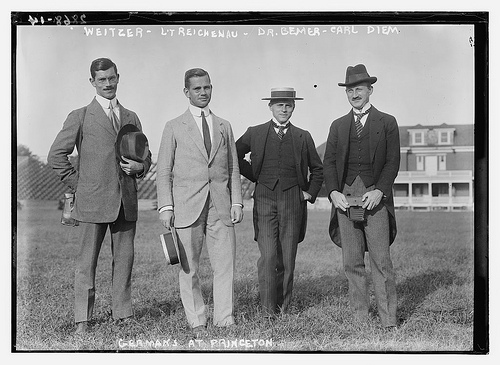
The idea of the nation state, or `nationalism', covers a broader spectrum than culture, making it `notoriously difficult to define'. Nationalism unifies generations of people, even those who have never met. It is embedded with cultural practices and social behaviours, transcending time and location, and comes as a result of shared beliefs and values, expressed through social behaviour and traditional objects. It is a product of community, having developed from smaller social relations, and has expanded to cover a much larger group of people. These people were united through various factors, such as location, history, and language. Let us take Germany during the early 1500s,
More Political Science
essays:
Can We Be Both Free and Obliged to Obey the State?
... the states, which rule coercively and always claim the right to command. Most laws that are in place have been in existence for anything from decades to centuries, and are generally accepted rather than queried. Power is defined in different ways ...
The existence of pressure groups makes Government more democratic; the activities of pressure groups also make democratically elected Governments more effective.
... the thoughts and feelings of at least a proportion of the population. Pressure or interest groups can be resisted and ignored ...
Viewing Politics and Government As a United States Citizen
... freedom, and how great our nation truly is. I was 18 when this tragic event happened. It was just around the time I ...
Civics Project (10 Points)
... talk to, you always have to be honest about your thoughts and feelings. My tenth most important value is my democratic rights. Although ... same time. My social life and friends have also helped to make me who I am, because of them, they have made me act in positive and negative ways. What ...
Civics Project
... talk to, you always have to be honest about your thoughts and feelings. My tenth most important value is my democratic rights. Although ... same time. My social life and friends have also helped to make me who I am, because of them, they have made me act in positive and negative ways. What ...
Compare the conception of freedom by any two of the following: Rousseau, Marx and Mills.
... certain behaviour both good and bad, without becoming criminals. The idea of freedom has been one that has many interpretations to it. People view it in different ways. Therefore, the freedom in one state will ... of thought and feeling, absolute freedom of opinion and sentiment ...
The Difference Between a Statesman and a Politician
... the nation of Germany posed a great threat and could invade at any time. That ... Winston Churchill demonstrated statesmanship. He feared not what the people thought of what he believed but that he would be held ...
What is the difference between a revolution and a war for independence?
... a nation of its impurities, inner social friction leading to massacres and further revolutions that fall into a constant cycle and ignored ...