Use and Abuse of Watersheds in Southern Oregon
In southern Oregon, watershed dynamics and use are significant to its surroundings, as many issues and problems have come from misuse of streams, rivers, and lakes. Upper Klamath Lake is one of the largest in the region, and is the setting for the Upper Klamath Lake watershed. There are many things to consider for this area, as human interference and the surrounding conditions affect those downstream, as well as the ecosystem and wildlife in the watershed itself.
It is because of the problems and issues in the area that makes it stick out more than most of the surrounding watersheds. In it, there are several threatened species, as well as some that are even endangered. Unregulated irrigation practices have caused problems for the surrounding ecosystem, as well as surrounding farmers. It is because of these factors that the Upper Klamath Lake watershed should be given more attention from the policymakers and state agencies in Oregon.
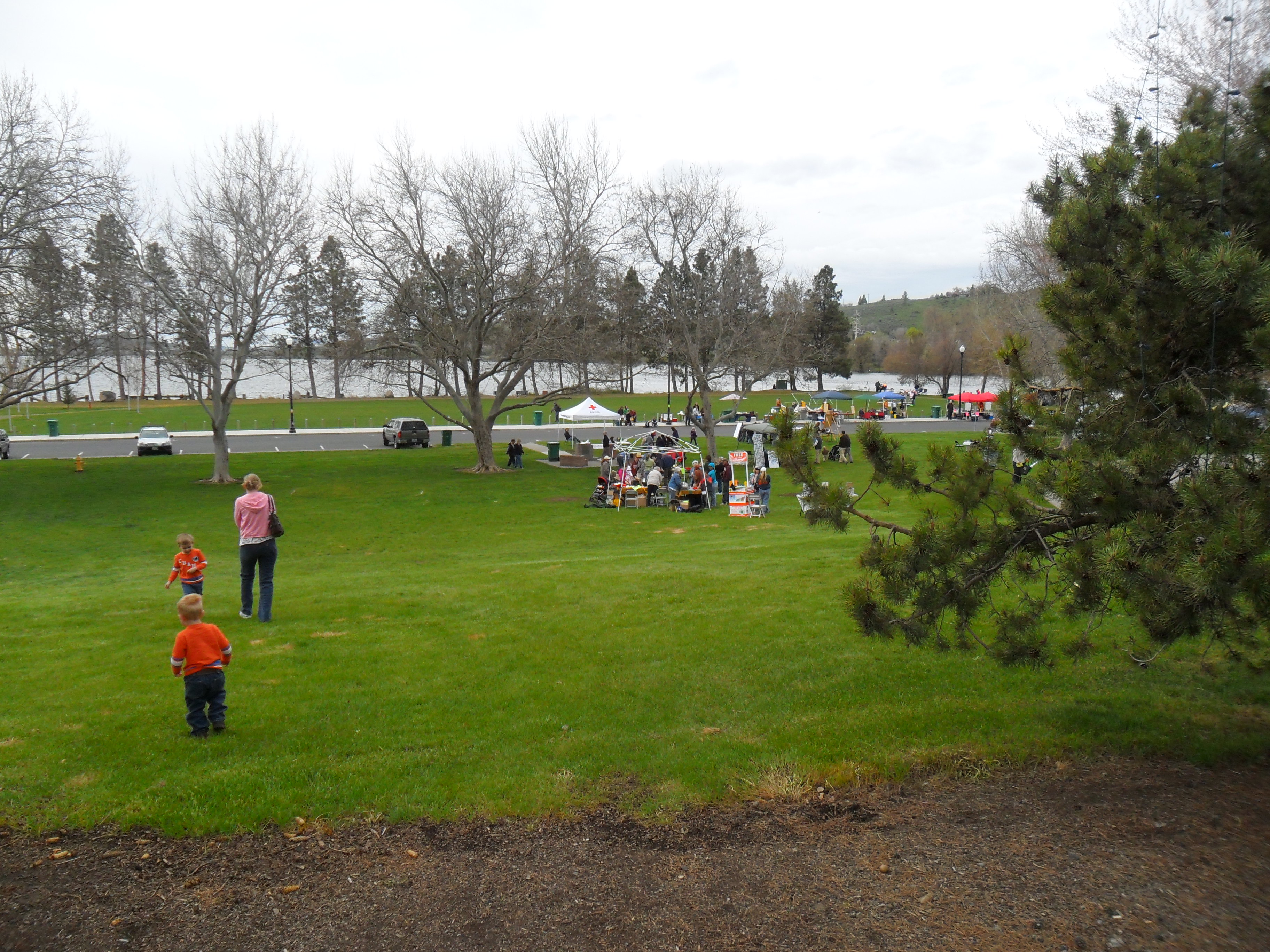 English: "Run for the Birds" fair in the Veterans ...
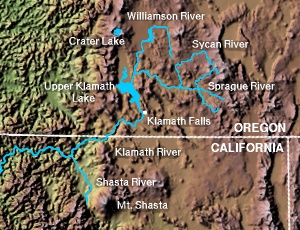 Upper Klamath Lake map.
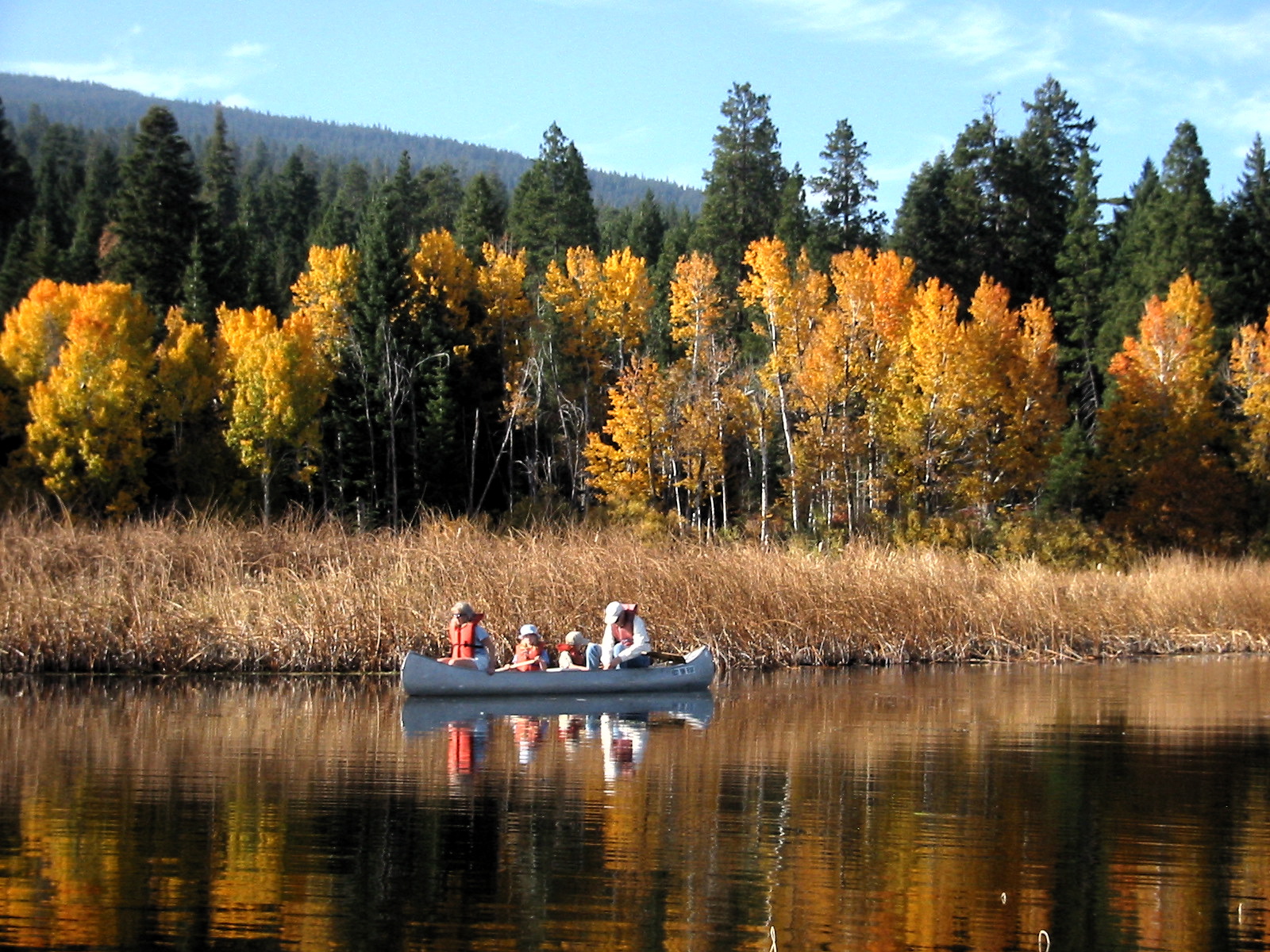 English: Upper Klamath Lake Canoe Trail; Populus t...
If these issues in question continue, then the people, wildlife, and the land itself could face some truly serious problems that will not be able to be fixed.
The Upper Klamath Lake Watershed
Southern Oregon is the home of the Klamath Basin, which rests right above (and a little bit below) the California border. It covers a great deal of land (over 8,000 square miles) in Klamath County, and is the home of the Upper Klamath Lake. There are three river systems that contribute discharge to the lake, including the Sprague, Williamson, and Wood Rivers. Upper Klamath Lake itself is very shallow, and covers a lot of land itself. It takes up over 90,000 acres, with an average depth of only 7.9 feet.
Upper Klamath Lake watershed (HUC: 18010203) resides in the Klamath Basin along with...