How do traditional conservatism and neoconservatism differ?
It is difficult to explain the ideology of conservatism as it can take on many forms; authoritarian, religious, libertarian and one-nation to name but a few. Many conservatives argue that conservatism is not an ideology at all but rather a political persuasion. Because of the broad spectrum of ideas that can all be called conservatism, this essay will deal with the basis of conservative theory that is common to most forms of the 'ideology'. Neoconservatism, conservatism's 'new right', will be contrasted with its predecessor to demonstrate the differences between traditional conservatism and its newest form, and ultimately to show that the two movements have very little in common at all.
Conservatism is essentially a resistance to change. Traditional conservatism emerged in the early 18th century as a protest against the seemingly radical ideas of the Enlightenment, the French Revolution, industrialisation and the support of universal suffrage. These new ideas and theories, in the eyes of the conservatives, challenged the very stability of society. They brought with them political and economic change that have ultimately had a profound impact on civilisation. Conservatives believed they were the 'defence of an increasingly embattled traditional social order' (Heywood 1998:66). Conservatives have a deep respect for tradition and authority. In opposing change, they hope to maintain the traditional institutions that have created and established a morally righteous society. Conservatives are particularly hostile towards idealistic, 'abstract' theories of change rather than change that occurs as an extension of existing institutions (McLean & McMillan 2003:114).
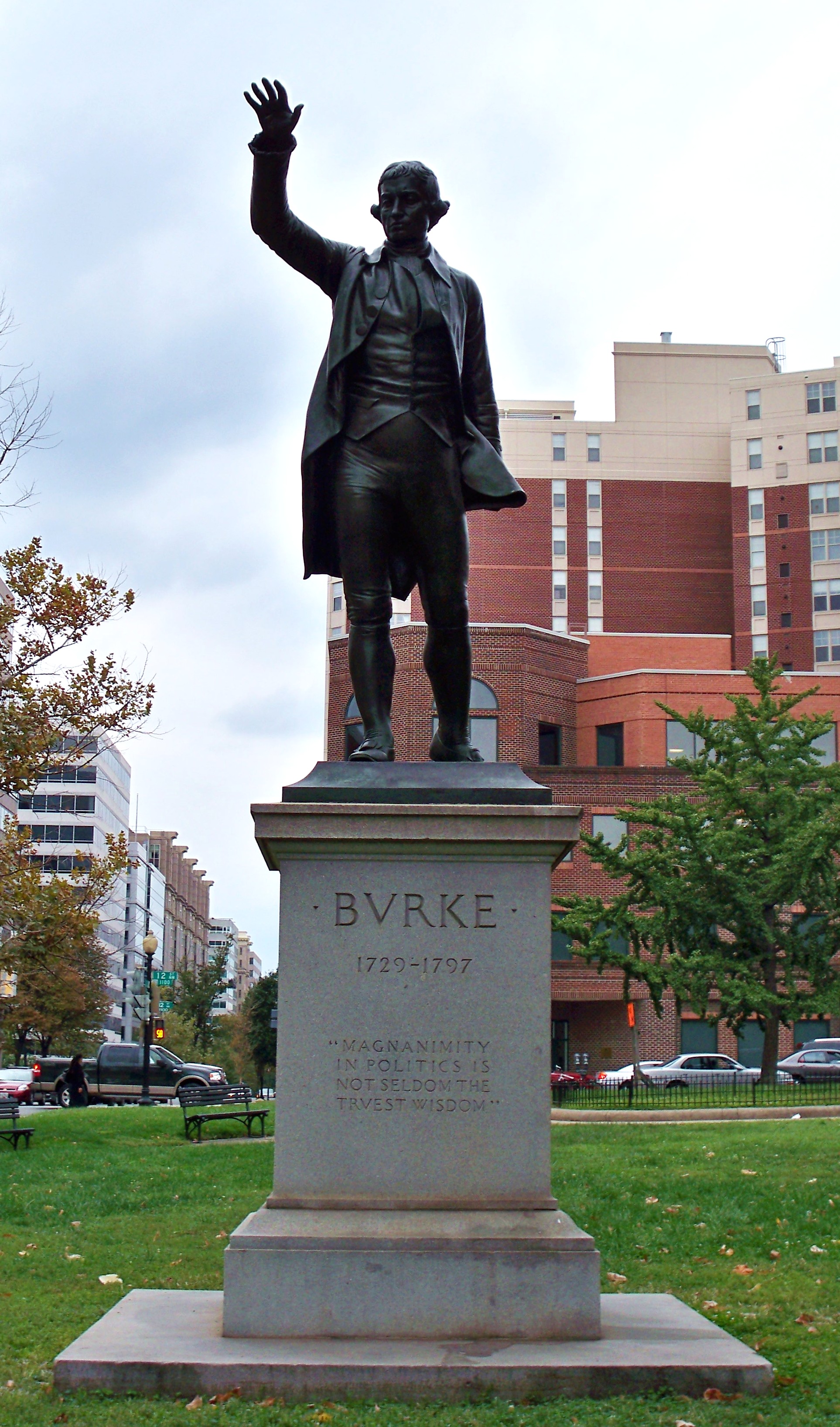
The philosophy of Edmund Burke (1729-1797) gave conservatism an ideological base. Burke was an elitist, believing that 'the rich, the able, and the well-born govern' (Baradat 2003:25), while the rest of society should dutifully submit to their rule. It is argued by many conservatives and 'outsiders' however that conservatism is not an...
More Political Theory
essays:
Conservative and Liberal Ideologies in Canada
... word conservative is generally synonymous with traditional values, big government and resistance to change, and as a political philosophy, conservatism advocates ...
Che Guevara and a New Paradigm of Marxism This paper is regarding Che Guevara's separate brand of Marxism, ie: how he adpated Marxism to work in the Cuban jungles.
... the resistance to change and flexibility of the two arguments. Both generalize general events that will lead to a revolution, but ... this to Guevara, who, a century later would borrow on many of Marxs ideas for his for his own political philosophies. However unlike Marx, Guevaras ideas would ...
What are the key features and limitations of a liberal democratic state?
... order to vote on certain issues. Liberalism is a political view that seeks to change the political, economic or social quo to foster ... is essential as a postponement should disagreement arise. This is also observed on a local level as well as national and is intended to bring ...
Compare and contrast the ideologies of Nationalism and Unionism in Northern Ireland politics.
... for politics as a means of change. Irish Nationalism has been interpreted both as a resistance to the ... troubled nation over the last century. The ideas advocated by the two ideologies find themselves at great conflict with one another ...
Issue Reaction Paper: The Theory of Democracy and Demos: A reaction to a quotation in Euripides's play "The Suppliants".
... our nations. Most people are too busy for politics or they do not wish to get entangled in the affairs of the state, (which they have so conveniently boiled down to the fight between democrats and conservatism in ...
International Relations of Strategic Geometry
... us to understand these changes in the political dynamics from one system to another ... that impeded, shaped and invigorated the policies of Gorbachev's predecessors varied greatly in importance, all of them overshadowed by the ...
Democratic World Government
... Individual nations could use any method apporved by the standards - and there would almost certainly at the very least be a spectrum of possibilities from the 'one person one vote' method to many ...
Anthony Giddens' "The Third Way".
... the 18th century. From the 1890s there may have been found opinions that this division is out-of-date. First of all the disintegration of communism and beginning globalization have changed their profile to certain ...