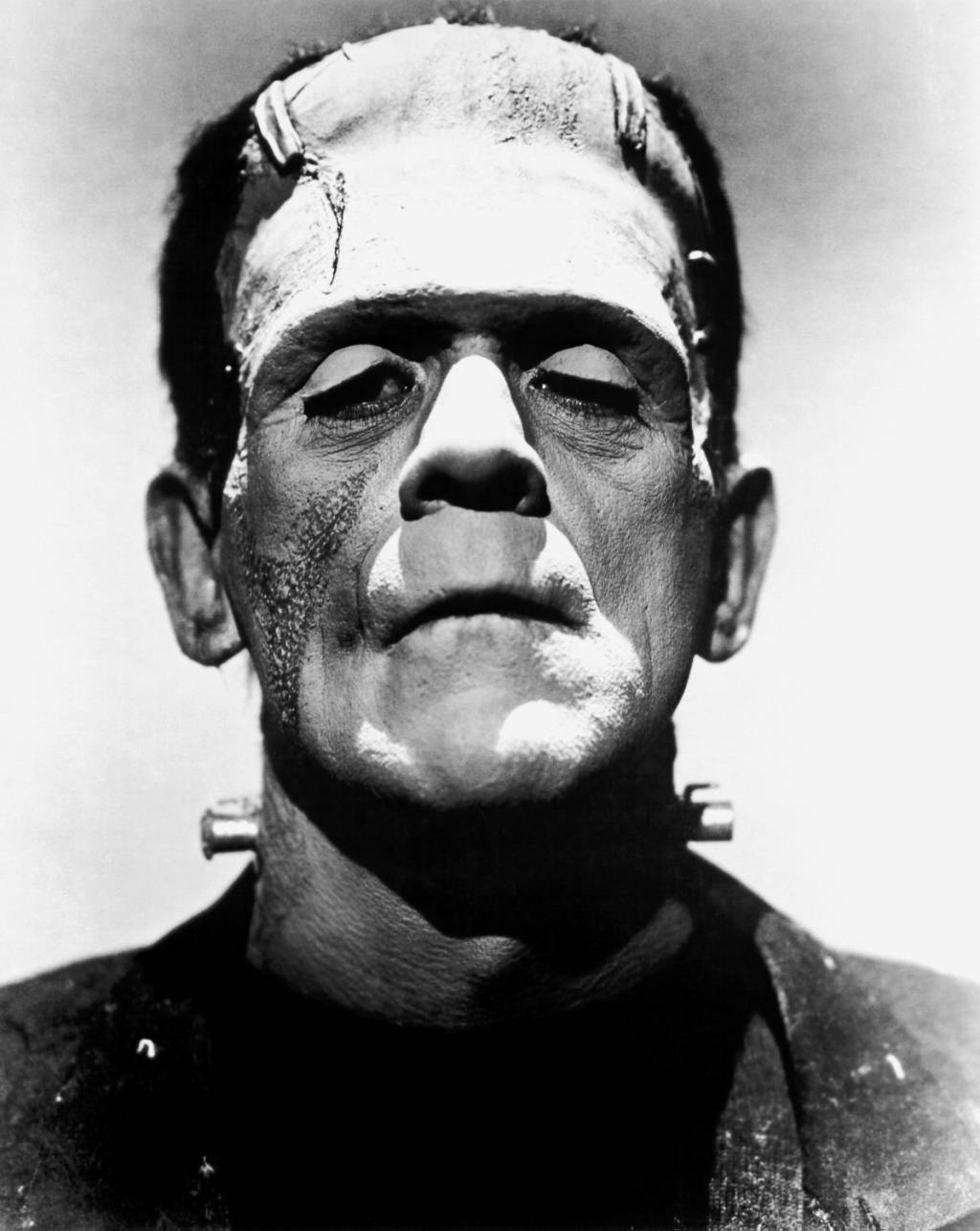
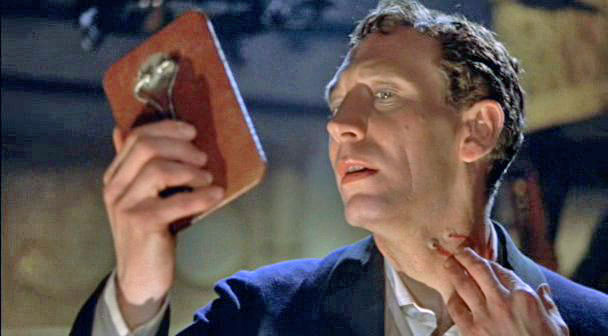
Dracula and Frankenstien.
Frankenstein and Dracula: Character Parallels and Contrasts
Mary Shelley's Frankenstein and Bram Stoker's Dracula are stories of inhumane beings causing destruction and agony for the main characters until the time of their defeat. These two classic horror stories possess similar character types which contrast in key elements. Each story includes a protagonist, villain and secondary character. The manner in which these characters participate in and affect the outcome of the story, however, varies greatly.
The protagonists in these notable horrors both fight to defeat the destructive villains. In the story of Frankenstein, the title character Victor Frankenstein studied the sciences at a university in Ingolstadt, and became fascinated with the secret behind the creation of life. Genious, yet foolish at the same time, he unlocked the secret and brought a hideous monster to life - the one who would haunt him forever. This being was not yet a "monster" per say, but by Frankenstein neglecting his creation, the feelings of abandonment and loneliness developed to become the root causes for its destructive and vengeful nature. Frankenstein suffered the loss of his loved ones at the hand of that which he created. The monster vowed revenge upon Frankenstein who had granted it such a miserable life:
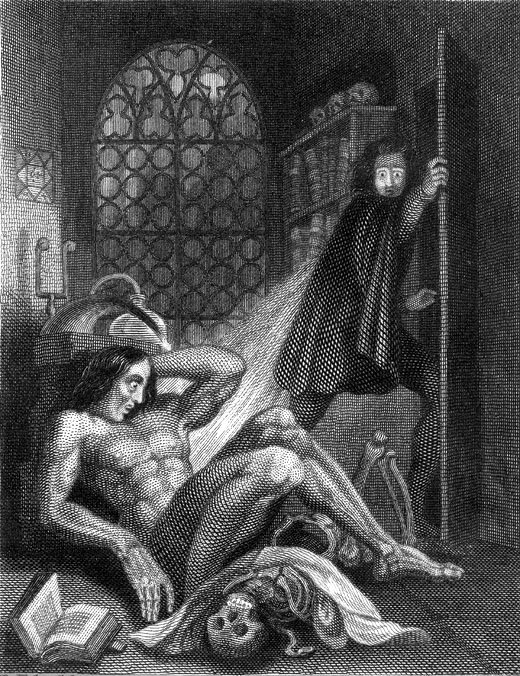
'Cursed, cursed creator! Why did I live? Why, in that instant, did I not extinguish the spark of existence which you had so wantonly bestowed? I know not; despair had not yet taken possession of me; my feelings were those of rage and revenge' (Shelley, p. 137).
Had Frankenstein fathered the creature rather than disown it, he may not have endured such hardships. Almost no remorse is felt for Frankenstein because he was the root cause of all of the destruction and deserved to face the consequences. The protagonist in Dracula, Jonathan Harker, is a...
More Film History
essays:
The British cinema renewed itself, tardily no doubt, by orthodox commercial procedures' (Raymond Durgnat). To what extent is this a fair assessment of British cinema between 1959 and 1963?
... its life as a novel by Graham Green as did Bram Stoker's Dracula, which had more cinema adaptations prior to 1960 than I ... at a distance from both the viewer and other fundamental characters further emphasising his surroundings and internal conflicts. The film is ...
A Comparison of Femininity in "Mildred Pierce" and "Gentleman Prefer Blondes"
... the men in the film. The complexities of such a character become even more enigmatic, when her personality traits are contrasted with that of other females in the film who fit ...
History of Hollywood
... may feature "twist endings", and lines between the antagonist and protagonist may be blurred. The roots of post-classical storytelling may be seen in film noir, in Rebel Without ... division was also a big success because of two major characters: Popeye The Sailor and Betty Boop.When the Federal Trade ...
Elizabeth The Golden Years Final Paper
... in her next film. Be it the role of main protagonists, character actors, comedians, villains, or narrators, it is only the trained and skilled actors ...
Comparison of Seven Samurai and Magnificient Seven
... plays both of these roles, a young inexperienced gunslinger who used to be a farmer. In both movies the main character finds an old friend: Shichiroji (SS), Harry (MS), and a quiet, older and tremendously experienced samurai/gunslinger: Kyuzo (SS), O ...
Flesh and the Devil - Clarence Brown, technical devices and cinematic movements of 1920s in the construction of drama.
... The contrast of this focus also determines the characters morals and intentions. This technique establishes the construction of narrative and visual story without ... the crucifix and the wedding band. These motifs show a parallel to the sequence as they all reference virtue but contradict ...
The good earth, movie versus book
... but not broken) as much by her husband's weak character as by social attitudes. Students benefit from debating whether the ... essay (Ida Pruitt, Mao Zedong, Maxine Hong Kingston), or with classic Chinese novels such as Cao Xueqin's Story of the Stone, or even with the Chinas in recent ...
The Hours - Film Analysis
... Dalloway in favour of homosexual relationships not only for the protagonists but also for minor characters. While the Clarissa of Mrs. Dalloway is vexed by her ...