"Drug-Related Communication"
In our society, language is the prominent way of communicating ones ideas. When people are born, they learn how to speak by absorbing what language they hear around them. As people go through life, more specific forms of language may be used to suit different interactions. An example, is the terms, and style of language associated with drugs and other illegal activities. Certain language that is used while partaking in illegal activities, such as those relating to drugs, has arisen from those parties involved having to be able to communicate freely, while avoiding specific words that could lead to their illicit activities being disrupted (be it by the police, or just a nosy neighbor.)
The English that Americans use is very different from the version that came with the first American Settlers. Today, American language, or American vernacular, consists of a combination of many languages, incorrect use of English, slang, and other words that come about for certain purposes.
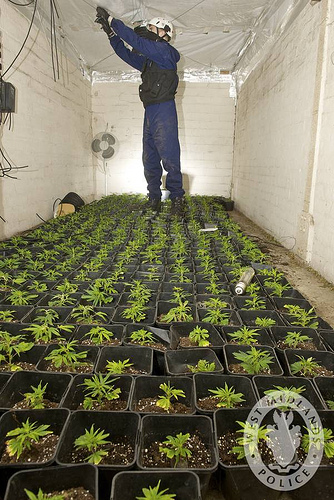 Day 46 - West Midlands Police - Cannabis Drugs Rai...
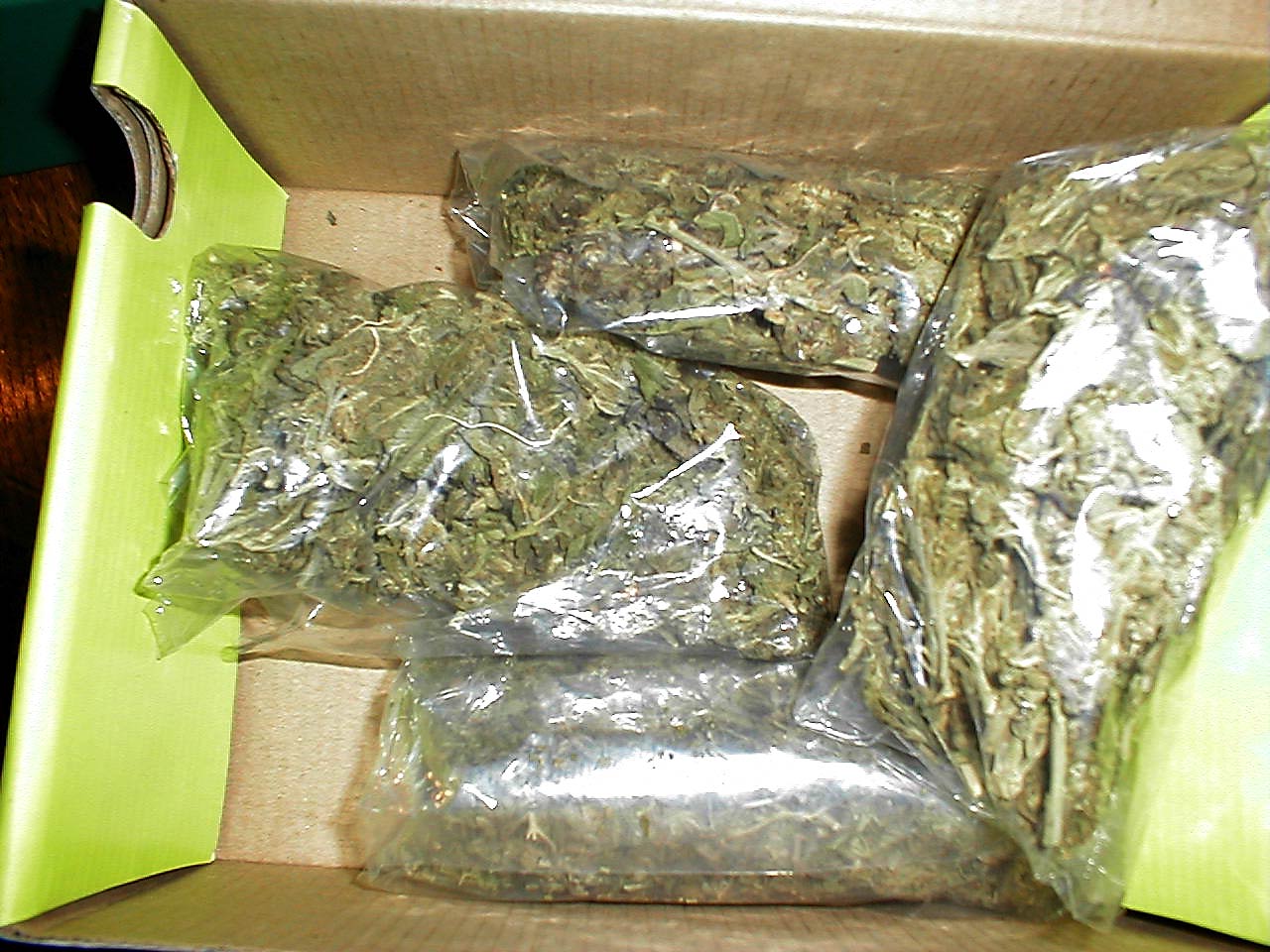 English: Four ounces of low-grade marijuana, usual...
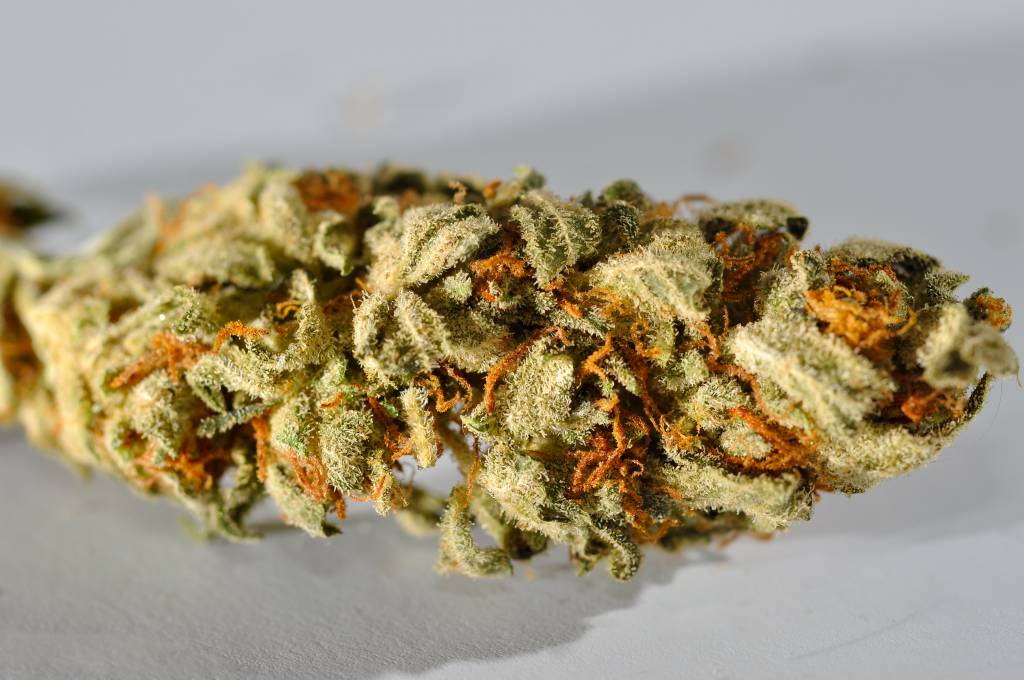 English: Close up shot of some high quality mariju...
I believe drug-related terminology and communication developed just like any other set of words, because of a need to communicate ideas that other existing words didn't accurately describe, while using the language skills and ideas of those people who are making up the words.
When a word is made up, it's form and meaning are all based on what is in the creators imagination. In the case of words associated with drugs, the creators were probably also users, and thus had a very warped sense of reality. This is evident in drug words that are simple, highly metaphorical, and filled with vivid imagery. The word "All-Star", which is used to describe a multiple drug user, has two meanings. It could be a reference to a person of high ability, or agility (one which is commonly used in sports), or...