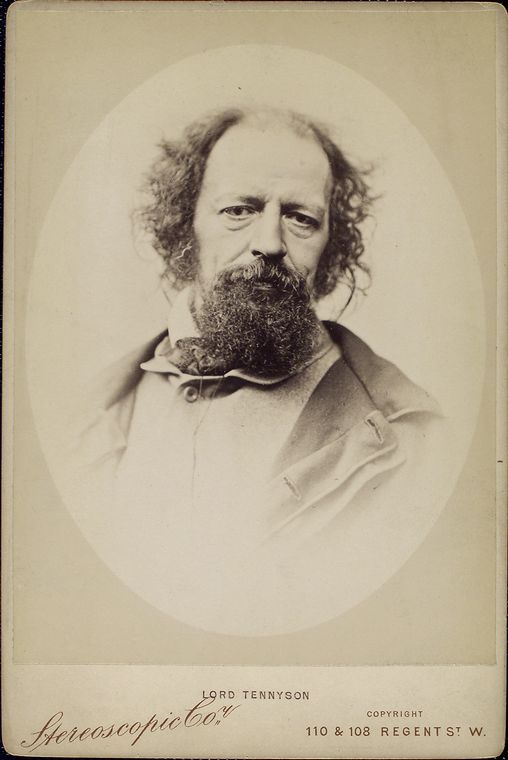
"The Eagle" by Tennyson, Lord Alfred - Explication
Note:
My professor didn't agree with my explication, but he did comment that it was "well written, imaginitive, and nicely argued." The possibility was well explained. What lowered my score were spelling and grammatical errors, so please double check your work.
Essay:
When first reading this poem one could easily assume that this poem is about an eagle and nothing else (Tennyson). However, after further analysis, one finds that there is more to this than just the eagle and it's natural behavior. The eagle is actually a metaphor for someone's rise and fall.
The first and second words of the first line provide a visual that further supports that the eagle is a symbolism for something other than itself. "He clasps the crag with crooked hands" (1). The word "he" is usually reserved to describe "a male human or animal" ("he"). The poem could have easily started, "It clasps the crag . . . " or "She clasps the crag . . ." but instead it starts with the word "he". This suggests that the object for which the eagle is a symbolism to is a masculine individual. The word "talon" describes "the claw of an animal and especially of a bird of prey" ("talon"). In this instance though, the word "hands" is used. This again supports that the poem is about more than an eagle. Now, with the association of masculinity and hands, one can assume that the metaphor of the eagle is attached to a male human.
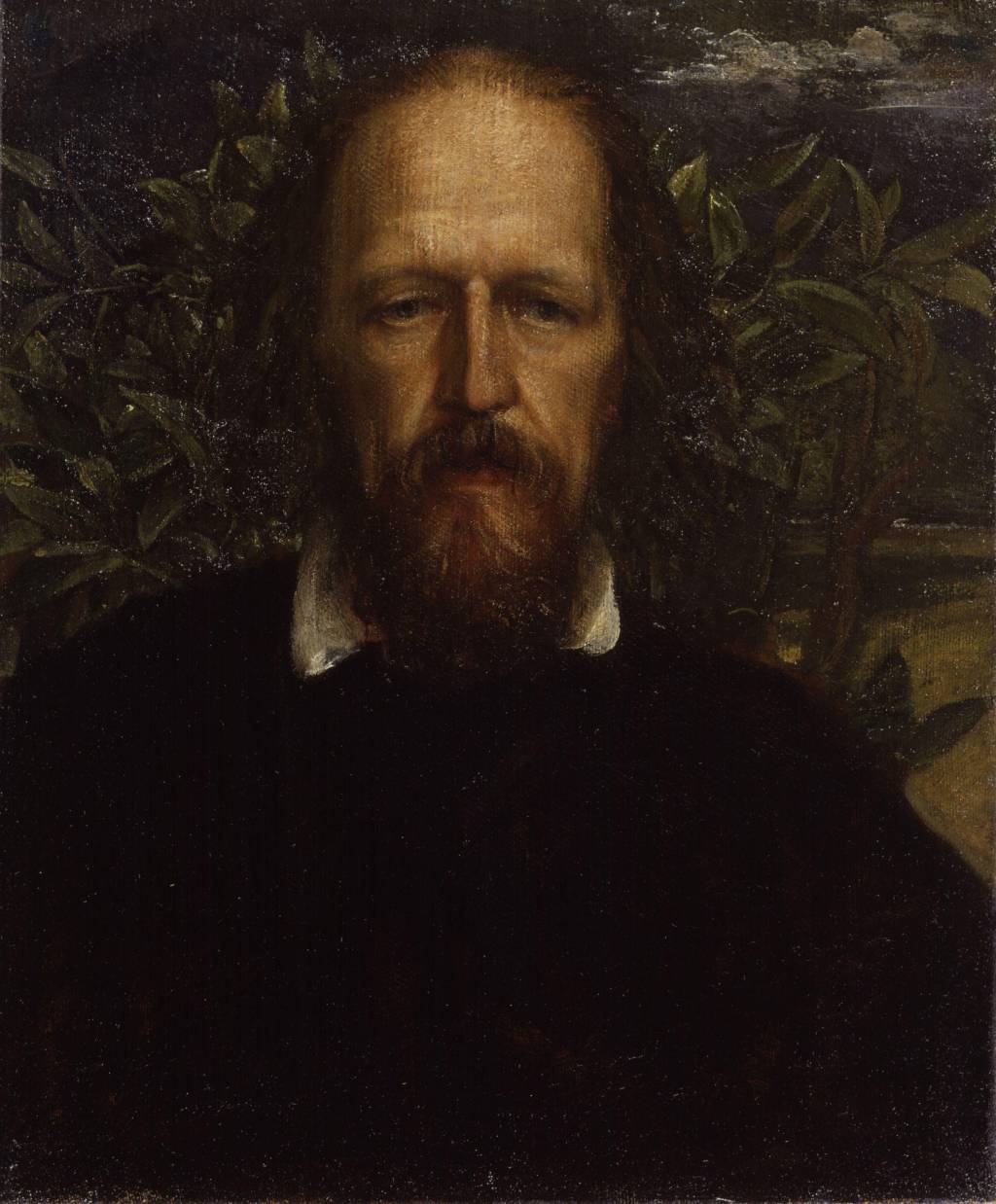
The first line of the poem does more than just associate a male human. The other words in the first line: "clasps", "crag", and "crooked," all associate the eagle with an elderly individual. When visualizing crooked hands clasping onto something, the body that goes with the rest of the hands is...
More Poetry
essays:
Anaylsis of Alfred Lord Tennyson's - The Eagle
... stands" and "falls," are opposite to each other in definition. "Falls" is often used to convey death, while "stands" is used to convey endurance. Thus, falls and the suddenness of the thunderbolt, together convey the death of man. Tennyson believed that ...
"The Wife of His Youth" by Lord Alfred Tennyson.
... him narrow-minded and criticized his writings based on this fact. When Chesnutt refers to Tennyson he is paralleling the criticism that Tennyson received with the ... any man"(56). This means that unless we can be true to ourselves first, we cannot be true to others. Mr. Ryder struggles with this idea ...
Alfred Tennyson, often regarded as the chief representative of the Victorian age in poetry.
... his first long poem, The Princess, a poem about anti-feminist fantasia. A man by the name of Edward Moxon offered to publish the elegies on Hallam that Tennyson had been composing over the years. To Tennyson this was ...
"The Collar" by George Herbert - Biography and Analysis
... messages that force us to rethink the poem's meaning, especially its serious tone.[1] The discovery explicated here belongs originally to Cary Ader, a Miami-Dade Community College student who proposed it in 1992 to his professor, Norbert ...
Alfred Tennyson known today as Alfred Lord Tennyson was born
... University, that same year he also published Poems by Two Brothers, he and his brother Charles both won university prizes for it. A year later Tennyson received ... money. This sent Alfred Tennyson into a spiritual depression. Directly following this time he refused to publish any of his works, he ...
"The Collar" by George Herbert(1593-1633)
... the first line to: "He that forbears/To suit and serve his need,/Deserves his load" the poem reads like a very histrionic soliloquy. The second effect of this randomness ... , no garlands gay ? all blasted ? All wasted ? Not so, my heart : but there is fruit, And thou hast hands. Recover all thy sigh ...
Critical Analysis of the "Rape of the Lock" by Pope
... the works that have been read in this class depict Time as a destructive and baleful force. Time plays a significant role in Pope's underlying message which is that all earthly things must succumb to the inevitable nature that is ...
"The rebel" by D.J. Enright, and "Festival"" , by Kenneth Wee.
... reader, and possibly, alter the views of any teenagers reading this poem. "The Rebel" as the title makes the reader prepare for either a poem about rebels, or a controversial poem, that might ...