Our sense of immunity is gone. Similar events are the Arab oil embargo of October 1973--which challenged our assumptions about the continued availability of plentiful, cheap energy--and the October 1957 Sputnik launch--which raised fears of global missile attack. Both of those shocks triggered important changes in spending priorities. Both hit a U.S. economy that had already been slowing. Both were accompanied or rapidly followed by recessions.
We can never know, with confidence, how the economy would have evolved had the Sputnik launch, the oil ban or the September 11 attacks never occurred. Such events are uncommon, and each has sole aspects. Moreover, our understanding of the terrorist threat and the measures necessary to combat it is still developing. With this caveat in mind, it appears that the September 11 terrorist attacks subtracted possibly 1 percentage point from annualized third-quarter GDP growth, making what would have been a small, positive number small and negative.
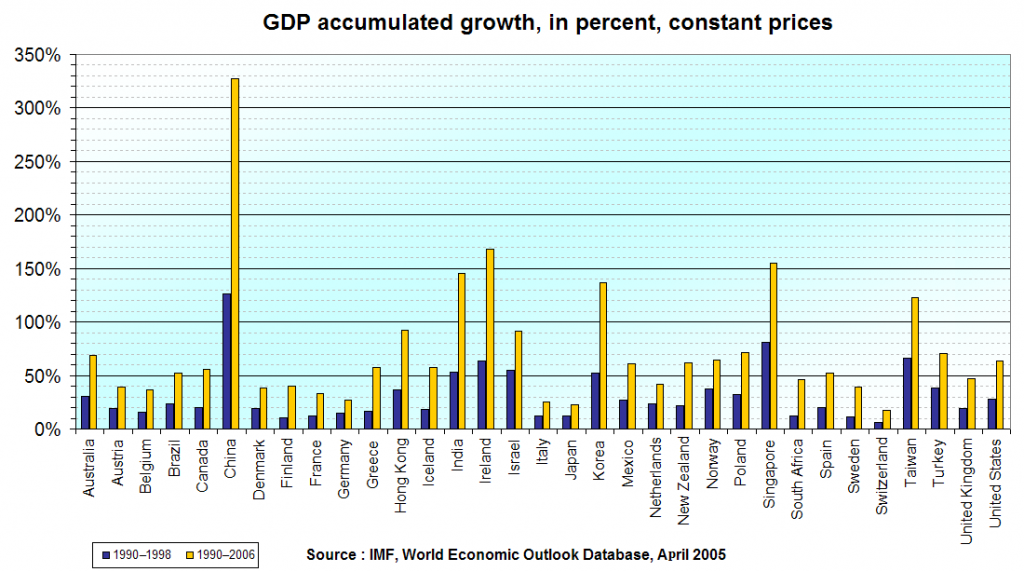 Gross domestic product growth in the advanced econ...
 September 11, 2001 attacks in New York City: View ...
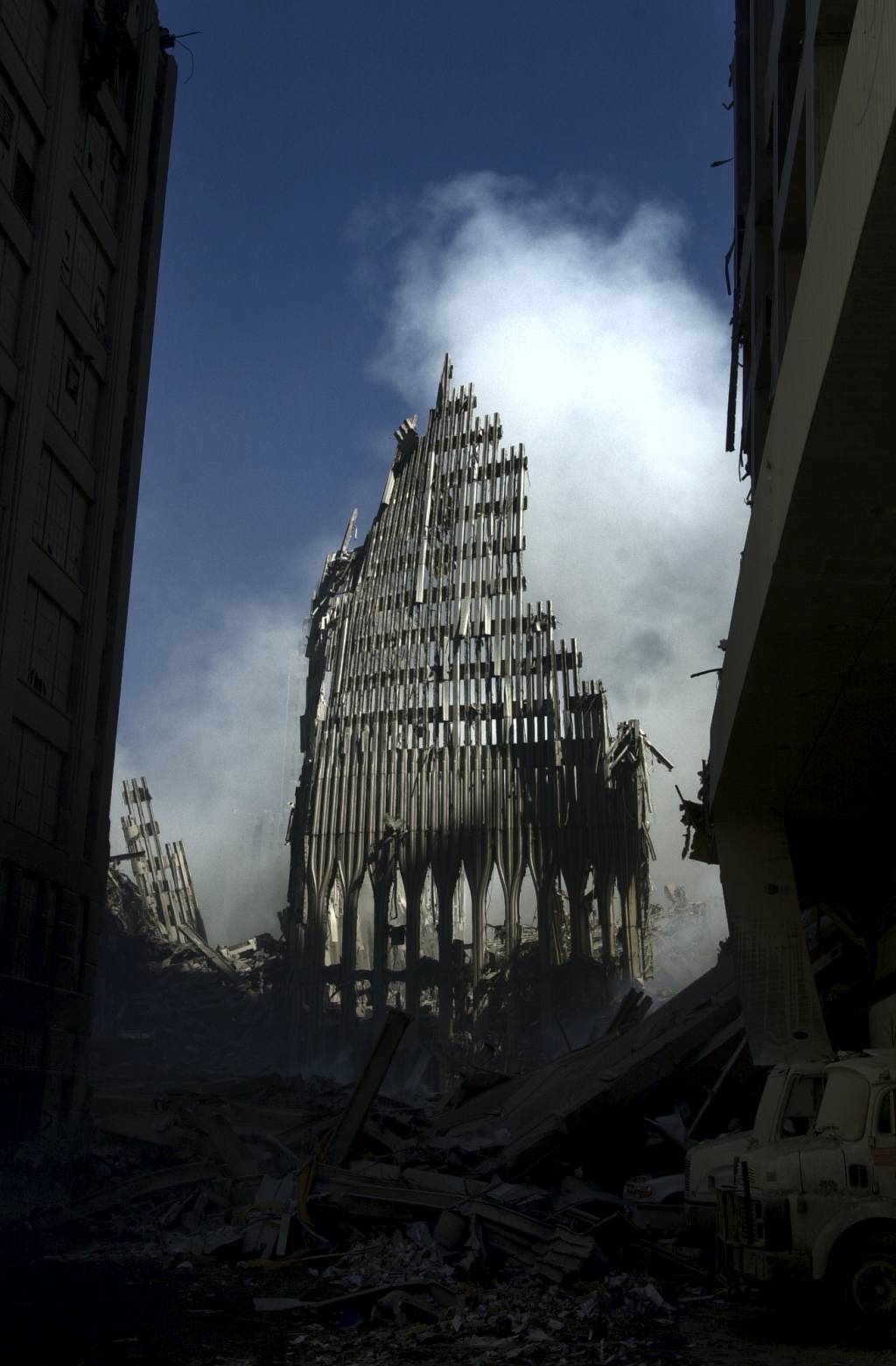 English: New York, N.Y. (Sept. 14, 2001) – What ...
Spillover from the attacks makes a much more significant GDP decline likely in the current quarter. In contrast, the outlook for the first half of 2002 has been little-affected. Unfortunately, that outlook calls for output growth so sluggish that jobs will shrink and the unemployment rate will continue to rise.
Pre assault Trends
Figure 1 satisfactorily summarizes the economic situation we were facing leading up to the attacks. Consumer spending decelerated early last year, but continued to increase right through August 2001. Industrial production kept rising, unabated, until September 2000, and fell moreor- less steadily since. Obviously, output cannot contract indefinitely in the face of rising consumer demand. Consumer demand cannot expand indefinitely if firms continue to cut production and jobs. One or the other of these trends was going to have to give way.
There were hints, at most, that industrial production might soon stop falling.