The Cold War was a feud amongst ideologies that when played out, shaped the trade and industry environments of the globe. It was led by two of the strongest powers in the world at the time, located on opposites sides of the earth. It was then so fitting, that these powers took opposite sides on a topic that would determine the economic fate of the world. Industrialism, alliances, and incentives are just a few of the factors that involve the Cold War. This paper will attempt to give some descriptions of all the factors that involved the Cold War, and which ones were the most pivotal to it's results.
Though there are many topics involving the Cold War, all can be separated into two distinct groups: ideological and political. Ideological issues involve the principles of the ideas that are stake. The ideological feud during the Cold War was between communism and capitalism.
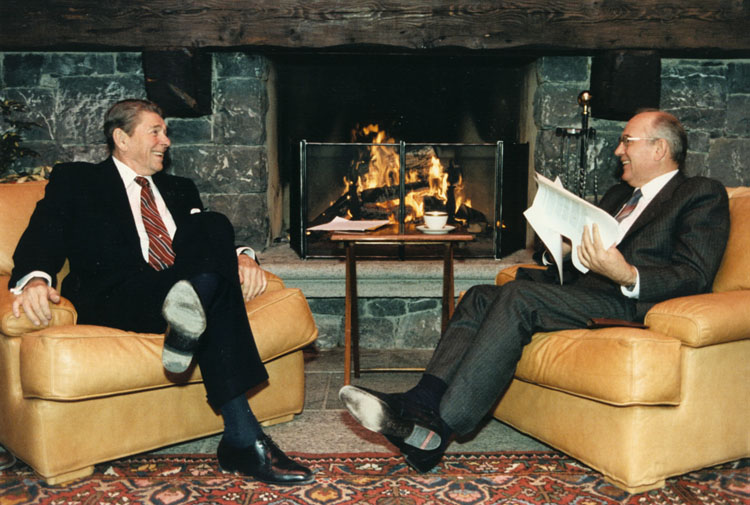 English: US President Ronald Reagan and Soviet Gen...
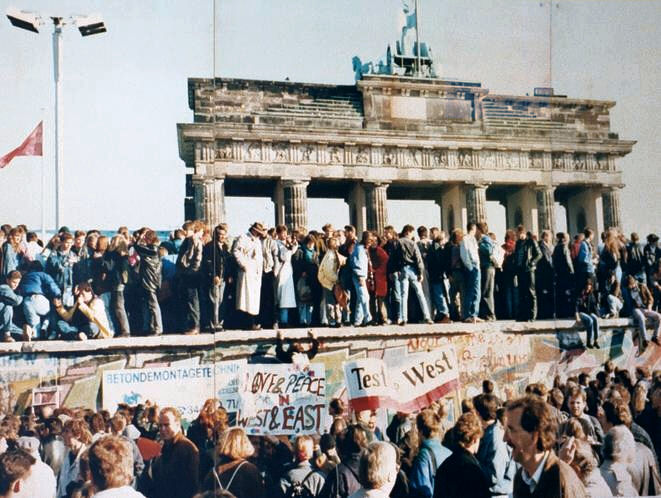 English: The Fall of the Berlin Wall, 1989. The ph...
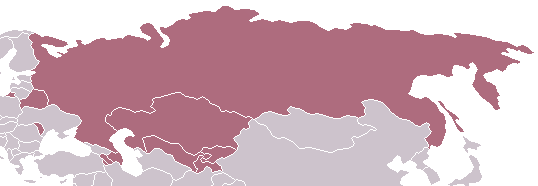 English: Map of the Commonwealth of Independent St...
In principle, these are two ideas for government that historically could not coexist amongst each other. The principles of communism and capitalism contradict each other, so the spread of one type of government meant the decline of the other. Because the ideological factors drove the political factors of the Cold War, it is important that we examine the ideological factors first.
What are the big differences between communism and capitalism? What characteristics do they have that cause it to be impossible for them to coexist? Why did their differences cause an international feud amongst countries for forty years? The answer simply put is that the world was not sure which type of government was better, communism or capitalism. These two ideologies would "duke" it out on the grand stage to determine which one would champion the future.
Communism is a type of government in...