The Effects of Tennessee Williams on Paul Zindel |
Julia Wuestefeld Extended Essay - Theatre Arts 3224 words |
�
Abstract
It is possible to notice many similarities between the works of Tennessee Williams and Paul Zindel. This essay investigates the extent to which the works of Tennessee Williams directly influenced that of Paul Zindel. Through a careful analysis of A Streetcar Named Desire, Cat on a Hot Tin Roof, and The Glass Menagerie by Williams, as well as a comparison of those with The Effects of Gamma Rays on Man-in-the-Moon Marigolds by Zindel, this essay seeks out parallels between the two authors. It also studies the biographies of said authors to determine whether their similar plays are only a function of similar life experience. Finally, the essay scrutinizes the vision of directions on A Streetcar Named Desire and The Effects of Gamma Rays on Man-in-the-Moon Marigolds to find out if these portrayals also tease out equivalences between Tennessee Williams and Paul Zindel.
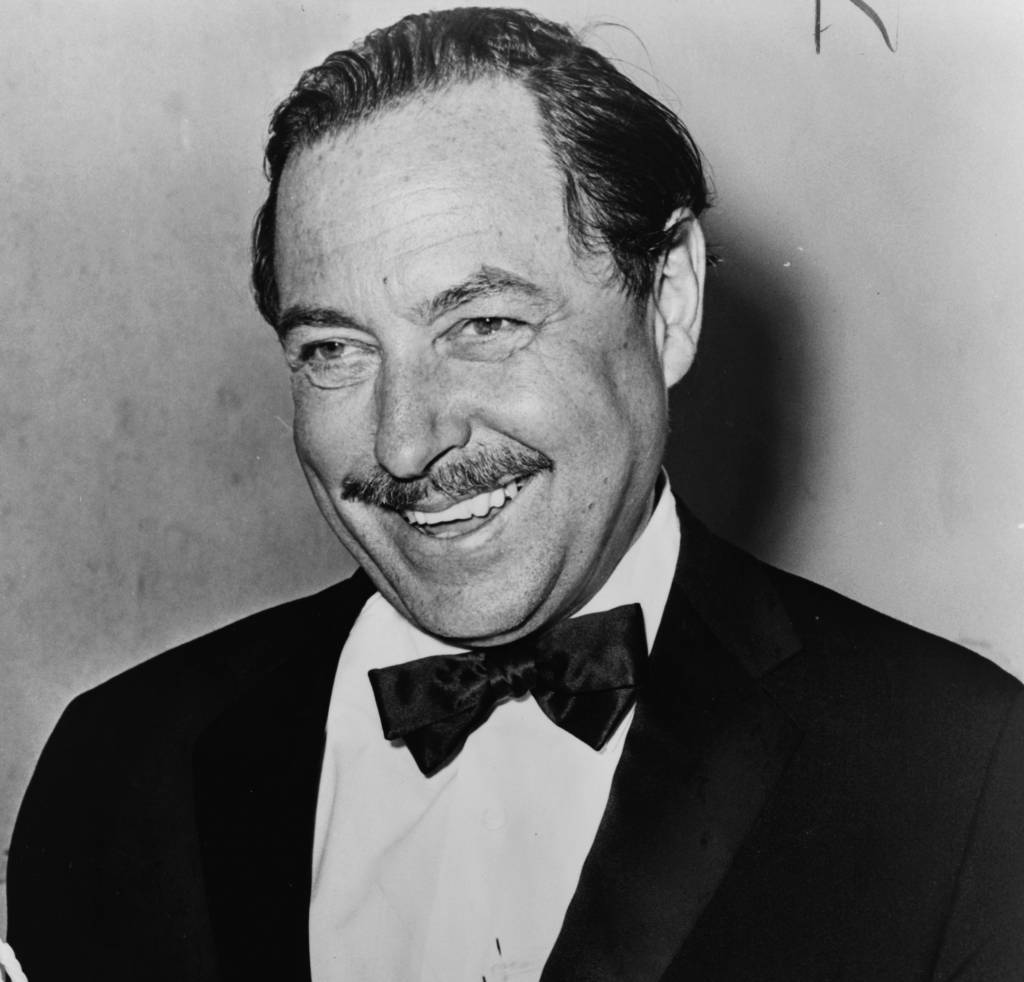 English: Tennessee Williams, American playwright; ...
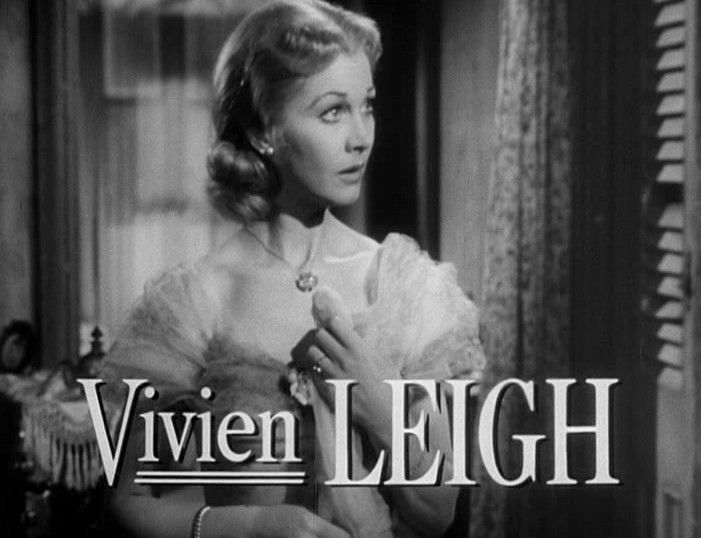 Cropped screenshot of Vivien Leigh from the traile...
 Williams Touring Car at Thruxton 1997
The essay concludes that there are too many similarities in the characters, themes, and style of writing of the two authors to say that there is absolutely no influence between them. Even though he never claimed this to take place, Paul Zindel was - to some extent - influenced by the works of Tennessee Williams. Even though much of the similarities between the writing can be due to the fact that they've lived through similar situations, there was a connection between Tennessee Williams and Paul Zindel.�
Contents
2Abstract �
3Contents �
4Analysis of the Literature �
8Analysis of the Biographies �
10Analysis of Directors' Productions �
13Conclusion �
15Bibliography �
�
�
"Paul Zindel has written a masterful, pacesetting drama. It combines moments of pain, poignancy, beauty, and hope. It is...