The election of 1876 was one of the most controversial presidential elections in the history of the United States of America, second only to that of 2001. The result, and subsequent effects, of the election are the main reason why the year 1876 was the last time for nearly a century that states of the south voted Republican. The issue at hand: to continue Reconstruction, or not to continue Reconstruction, that was the question.
Southern Military Reconstruction had dwindled considerably over the years after 1869; by the time of the 1876 election, only Louisiana, South Carolina, and Florida were occupied. Once the troops had been removed from the other once-Confederate states, however, the biracial Republican state governments that had been established under reconstruction soon collapsed and were replaced by white-only (non-sympathetic for freedmen and poor white) democratic administrations.
Into this situation entered the two presidential candidates, Samuel Tilden and Rutherford Hayes.
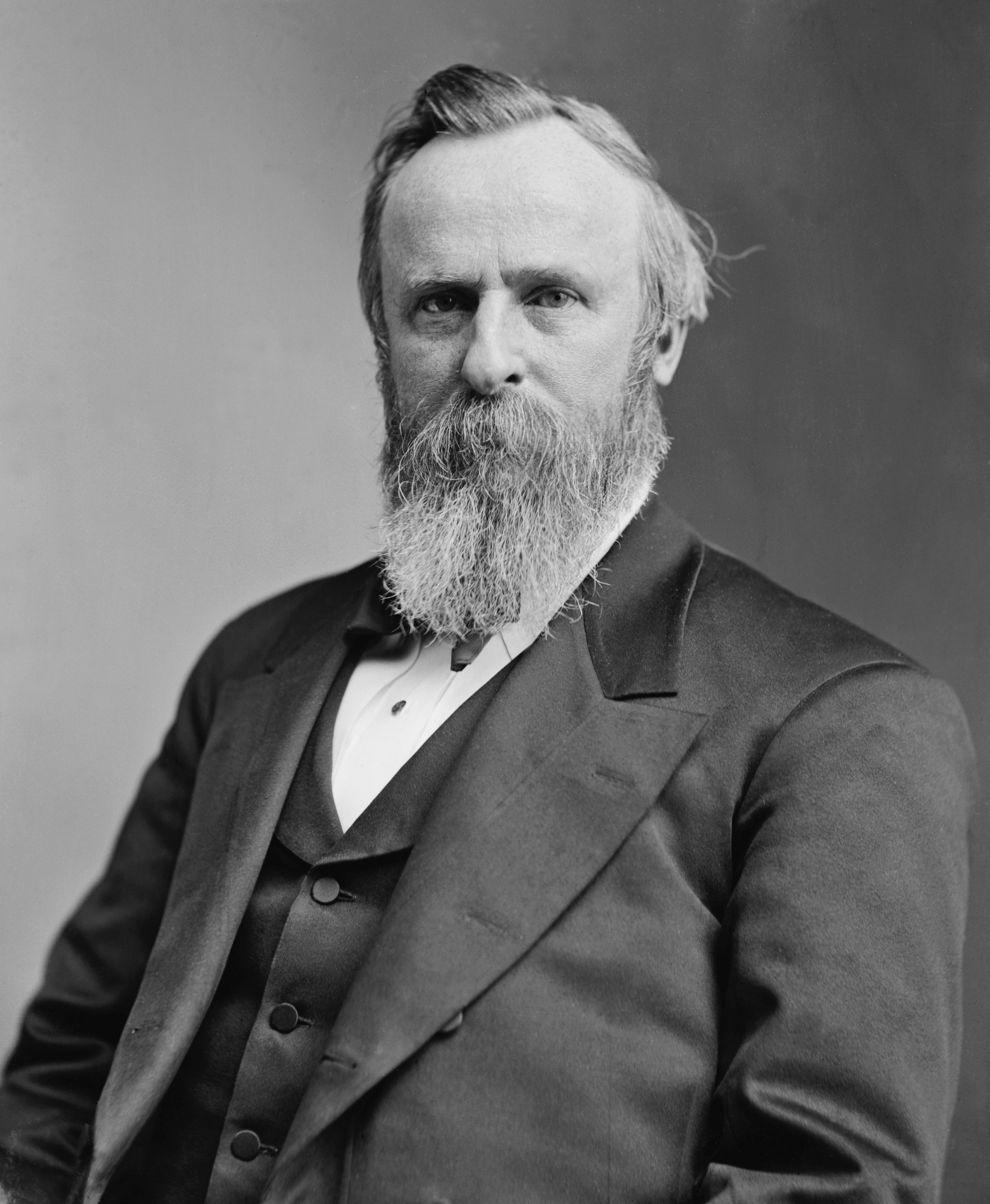 English: Rutherford B. Hayes (October 4, 1822—Ja...
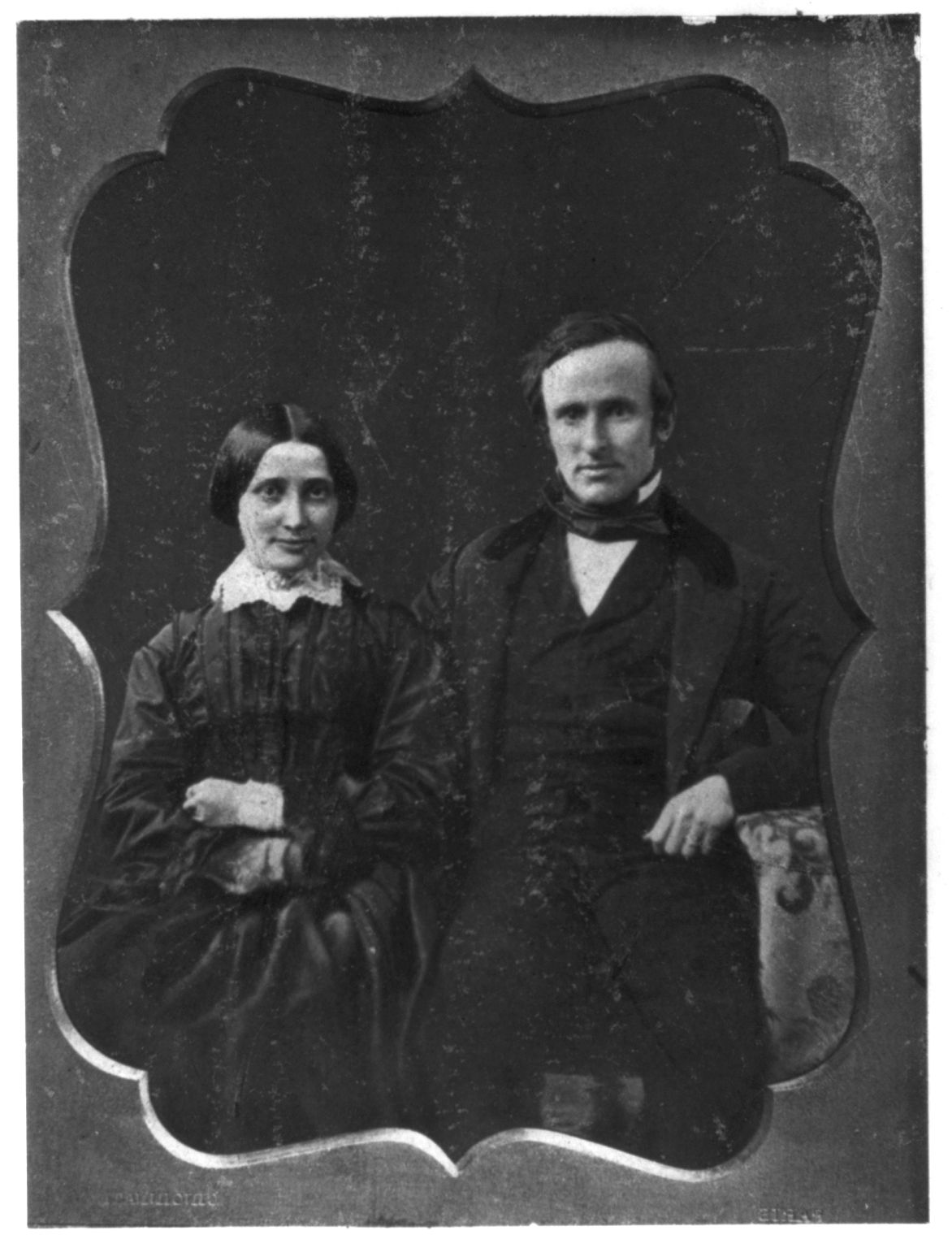 Rutherford B. Hayes and his wife on their wedding ...
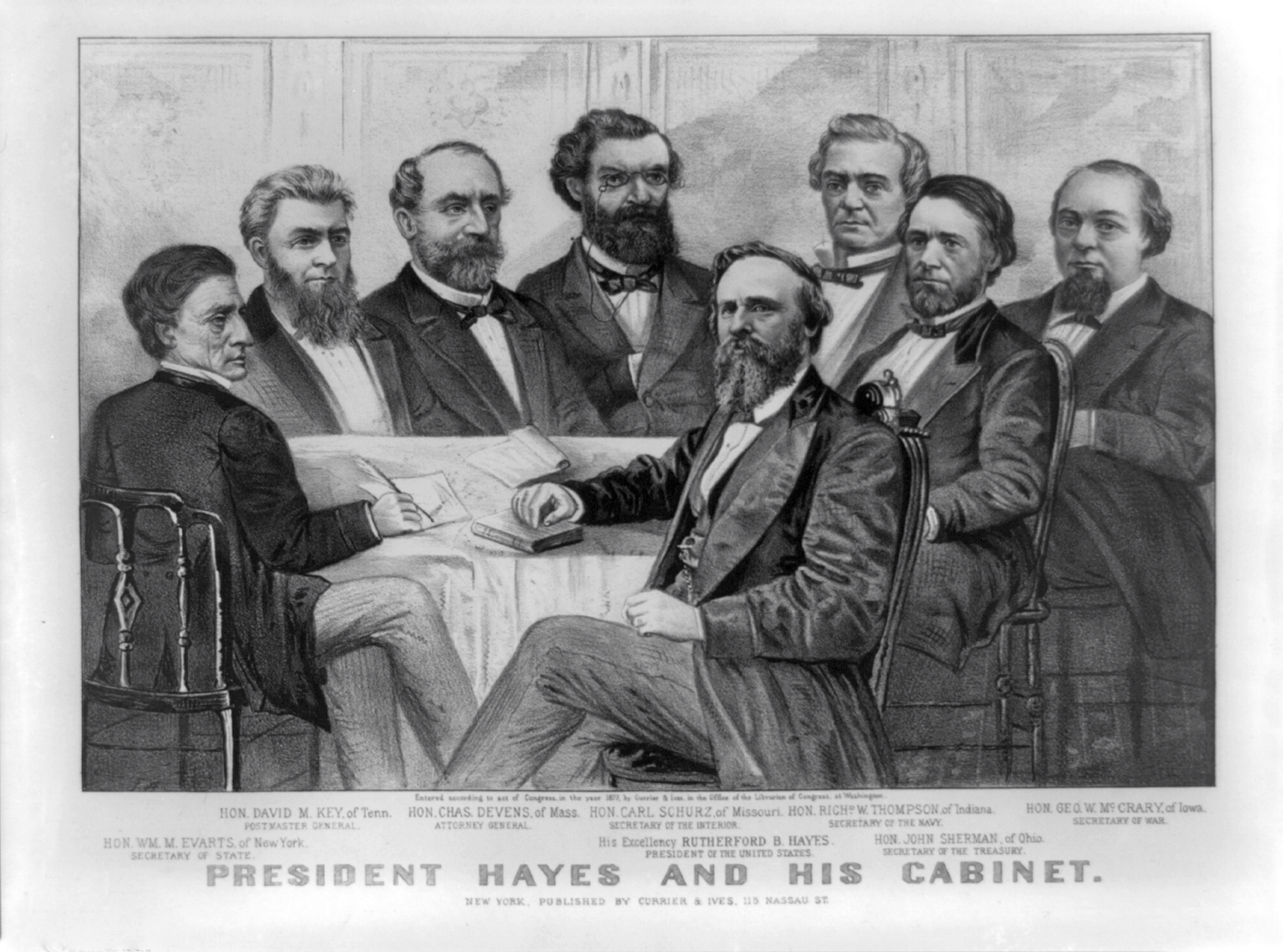 English: President Hayes and his cabinet
The first results on election day indicated a clear victory for the Democrats and Tilden, but their elation was to be cut short: twenty votes were disputed. nineteen of these twenty were from the states of Louisiana, Florida, and South Carolina; the twentieth had been cast by one of Oregon's three voters, who was later determined to be ineligible to vote because he held a federal office.
During this period of dispute and un-surety, the political balance was not at its most secure. Republicans consistently favored federal aid for the protection of basic civil rights for black and poor Americans; democrats opposed such federal intervention and called for the withdrawal of troops for the South. The individual parties found themselves caught up in the conroversy, dividing within themselves as to which was the best course for America, some from each side favoring the Liberal Republican reconstruction and civilrights'...