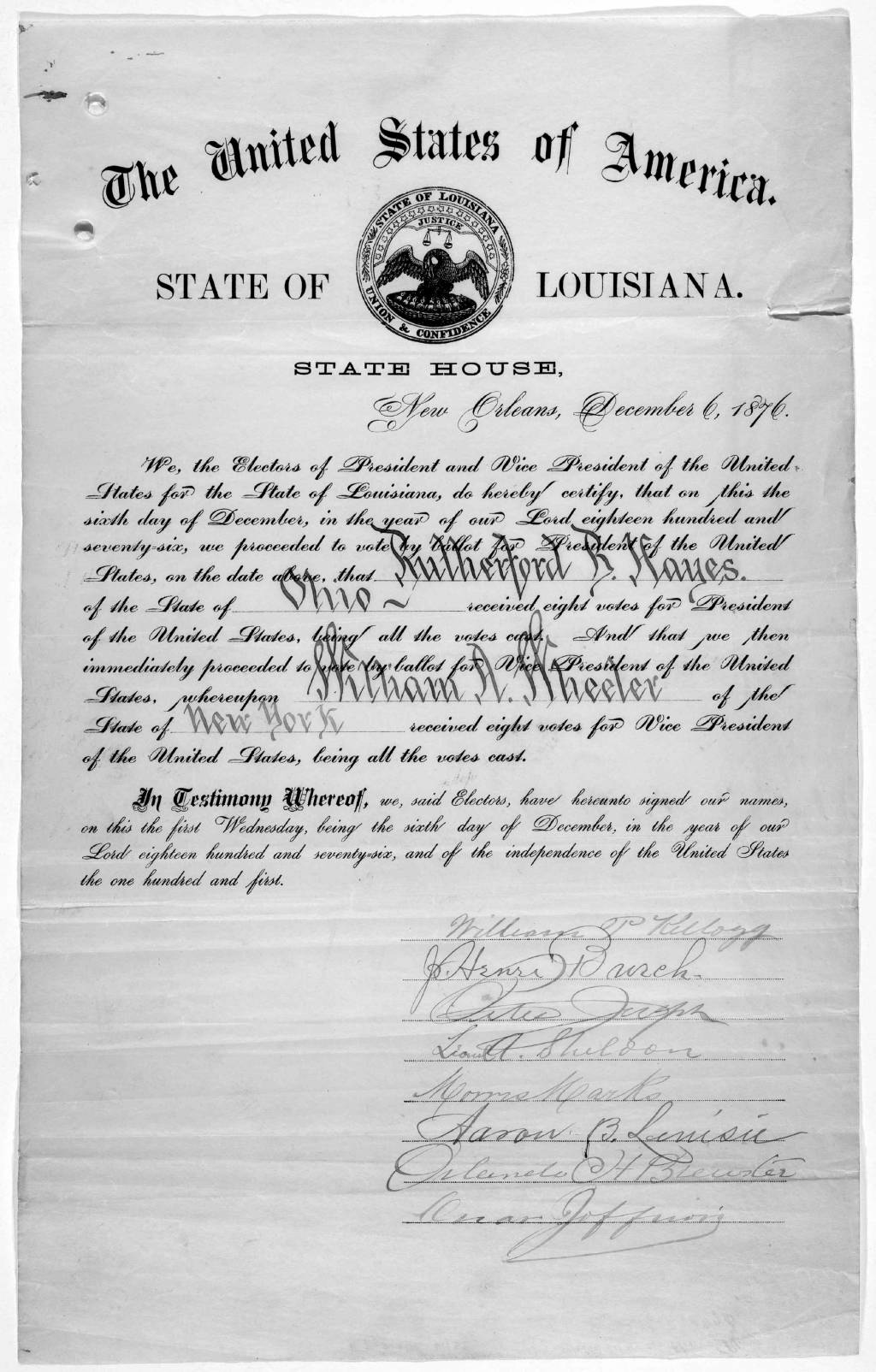
Electoral college.
The Electoral College system works well in most elections. However, the call for reform is heard after almost every election. There are three major weaknesses in the system that could affect the outcome of an election.
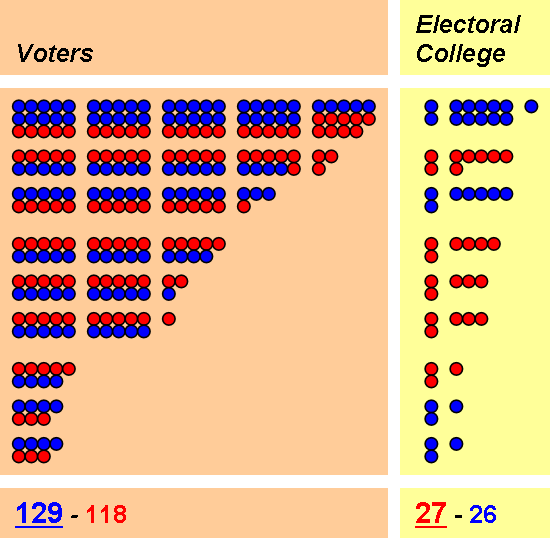
Winner take all is the main problem out of these three. If a candidate wins the largest number of popular votes in a state, that person receives all the state's electoral votes most of the time. In the rare case, a candidate will only receive part of the electoral votes. Critics argue that this system is unfair to those who voted for a losing candidate. For example, in 1992 more than 2 million Texans voted for Bill Clinton, but Clinton did not receive any of Texas's electoral votes. He received 2 million votes from the popular; however, he did not receive any of the electoral votes out of 32. 32 of the electoral votes can play a significant role in the election. Sometimes, the candidate would only win by a margin vote like 1 or 2.That why many people are criticizing this system. Also the winner take all system makes it possible for a candidate who loses the popular vote to win the electoral vote. This usually happens when a candidate wins several large states by narrow margins. Totally, there were eighteen times in the American History. The first time was in the elections of John Quincy Adams in 1824. He only received 30.6% of the popular; however, he received most of the electoral votes, 84 votes. So he finally became the president. That is really often happened. The last time happened was the election in 2000. George W. Bush only received 47.9% of popular votes but he received 271 out of 538 electoral votes. So he satisfied the constitutional requirement, majority of electoral...
More Government
essays:
Strengths and Weaknesses of the Electoral College
... the votes for that state. The Electoral College does have a few strengths however , among these are the encouragement of a two-party system, and the fact that there is a mandatory distribution of popular support ...
The Electoral College: Pros and Cons
... problem that I will mention is Third Party Representation. For example, in the 1992 elections, Texan billionaire Ross Perot ran as the Reform Party's candidate and won 12% of the popular vote yet received zero electoral votes. The ...
Why we need a new election system, problems with the electoral system.
... the Electoral College system is grossly outdated. The authors of our Constitution suggested this election process in thinking that there would be too many candidates on the ballot for any one of them to get a majority of the electoral votes ...
Define the three factors (political, sociological and institutional) which affect Australian Elections?
... the electoral system used in an election. Institutional factors that can influence the election include compulsory voting, the type of ballot, gerrymanders and malapportionment. Compulsory voting ensures ...
Encouraging the Voting Way of Life
... ways that we could improve on the convenience of the election process for the average American. We need to provide more education about the candidates and the voting process ...
AP Us Gov & Pol Practice FRQ #2 A significant feature of the Electoral College is that most states have a winner-take-all system. Answer a-d listed in text section (too much type to fit)
... the Electoral College is a method that the government uses to distribute the electoral representatives to each candidate. With the winner-take-all method, the candidate that wins the most votes in ...
Account for the survival of the Electoral College?
... The Electoral College system was designed by the founding fathers as an obstacle against the 'excesses of popular democracy,' a compromise between those who wished Congress to elect the President and those that yearned ...
Suffrage for the People: A Report on the Electoral College and possible alternatives
... current Electoral College system to a direct popular vote hold the other side of this issue. "If the electoral vote were eliminated, there would no longer be any pressure upon the candidates to ...