Environmental Causes of Cancer This essay was written over various environmental causes of cancer, their incidence rates, and other related information.
Environmental Causes of Cancer
The term cancer does not refer to one specific disease, but rather to a large group of diseases. Cancer develops when cells in a part of the body begin to grow out of control. Although there are many kinds of cancer, they all start because of the uncontrollable growth of abnormal cells. These cancer cells develop because of damage to DNA, which is found in every cell of the body and directs all of the cells' activities. Although people can inherit damaged DNA, (which accounts for inherited cancers) most of the time a person's DNA becomes damaged due to environmental causes. Environmental hazards such as exposure to radiation, industrial/household chemicals, and certain pesticides have been proven to cause human cancer. Other environmental hazards include personal life style choices in which people engage in risky behaviors such as using tobacco and alcohol excessively, or eating unhealthy diets that cause obesity and other health complications.
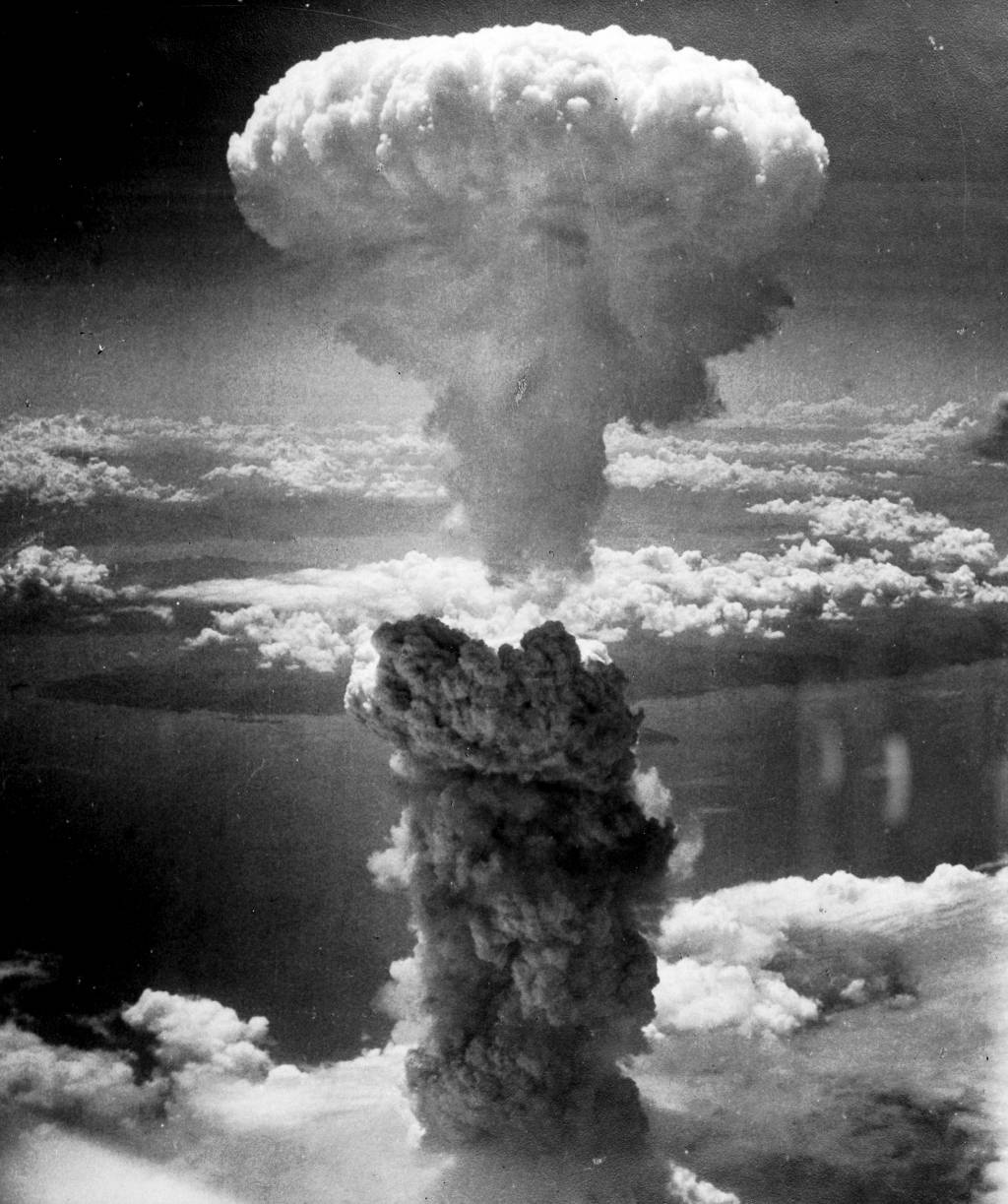
Atomic (or ionizing) radiation and ultraviolet radiation from sunlight have been known to cause cancer for many years. An increased risk of cancer is associated with high doses of ionizing radiation such as from nuclear explosions and those used for treatment of certain diseases. The risk of cancer appears to be relatively small for low doses of X-rays received during diagnostic procedures. Scientists learned a great deal about the effects of radiation on humans after the atomic bombs were dropped on Hiroshima & Nagasaki in 1945 and also after the nuclear explosion at Chernobyl in 1986. The atomic bombing of Hiroshima and Nagasaki caused over 150,000 deaths immediately, with thousands of people later developing different types of cancers. In 1990, almost 8,000 cancer deaths were recorded in the survivor population of just over 86,000. The most predominant type of cancer found among those...
More Environmental Science
essays:
Global Warming: What is Global Warming, Causes of Global Warming, Consequences of Global Climate Change.
... gases. Life could not exist if there was no natural greenhouse effect. Causes of Global ... contributions of these natural causes of temperature variations are unknown and unpredictable at the present. Sunspots are a significant factor. Human caused warming is by increased concentrations of greenhouse ...
Discription of the Great Alaskan Earthquake of 1964. Including the Environmental science that caused it to happen.
... The cause of the "Great Alaskan earthquake" was the result of the movement of huge plates of the ... Works Cited: 1 "1964 Alaska Earthquake." Http://www.olympus.net/personal/gofamily/quake/famous/1964.html Accessed 10/2/2003. 2 ...
The plight of endangered animals and the effectiveness of their conservation methods.
... certain pesticides and the improper disposal of wastes. Therefore, it will be quite unlike for pollution to be a main factor in the endangerment of animals. However, the same cannot be said for habitat destruction and overexploitation as a cause of ...
The history of the head-up display dates back to World War II.
... 5). Cockpit resource management (CRM) training can help change the personality, attitude, and behavior of crewmembers that do not utilize the head-up display to ...
Environmental Health
... Identification of the hazard. Identification consists of testing materials to determine whether exposure is like¬IN, to cause environmental health problems ...
Title: "Should humans attempt to protect all species?"
... periods of massive extinction in history, and life has come back every time. "Indeed, paleontologists estimate that about 100 species have risen and fallen for every single species alive today," notes Karen Schmidt, an environmental health writer ...
Exploring a Change in Views on the Inheritance of Acquired Characteristics.
... original behavior was accidental or acquired through learning. Scientists toady still have a lot to learn about the complex interactions between organisms in nature. While Darwin stuck to a relatively rigid idea about the causes of variation ...
Inuit Culture Examined: The lives of the Inuit people in greenalnd and how water pollution is destroying their culture and forcing them to change their traditions.
... life, they are easily consumed and passed all the way up and throughout the food chain. ('What Are Contaminants?') Other organochlorines and environmental ...