There are currently 1.28 billion cattle populating the earth. They occupy nearly 24 percent of the landmass of the planet. Their combined weight exceeds that of the earth's entire human population. Raising cows for beef has been linked to several environmental problems, and eating beef can worsen your health. The Dairy Industry puts not only your health in danger from consuming their products, but the lives of the cows that produce them.
There is severe environmental damage brought on by cattle ranching, including the destruction of rainforests and grasslands. Since 1960 more than 25 percent of Central America's forests have been cleared to create pastureland for grazing cattle. By the late 1970's two-thirds of all agricultural land in Central America was occupied by cattle and other livestock. More than half the rual families in Central America-35 million people-are now landless or own too litle land to support themselves. Cattle are also a major cause of desertification around the planet.
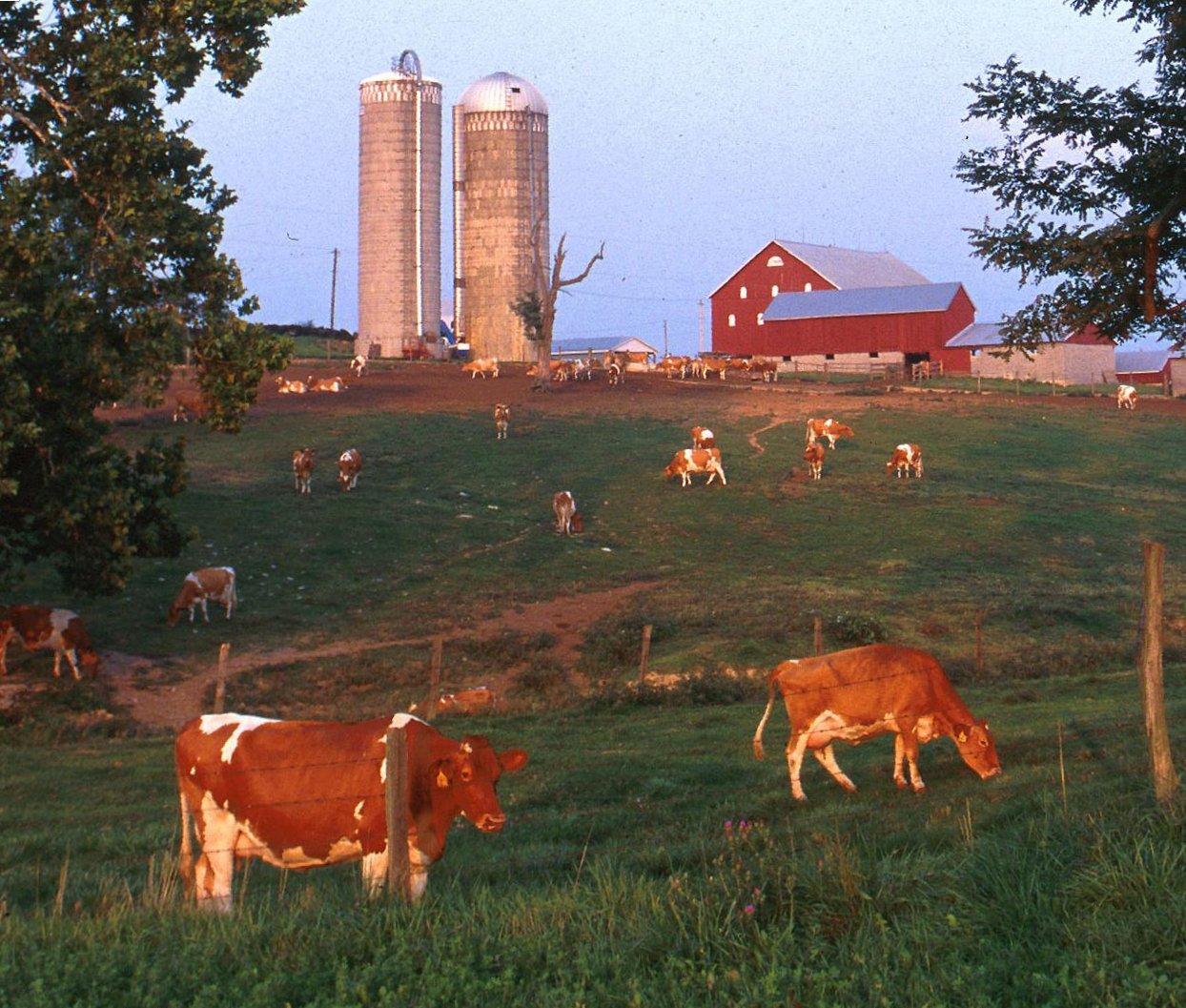 English: A small dairy farm in western Maryland
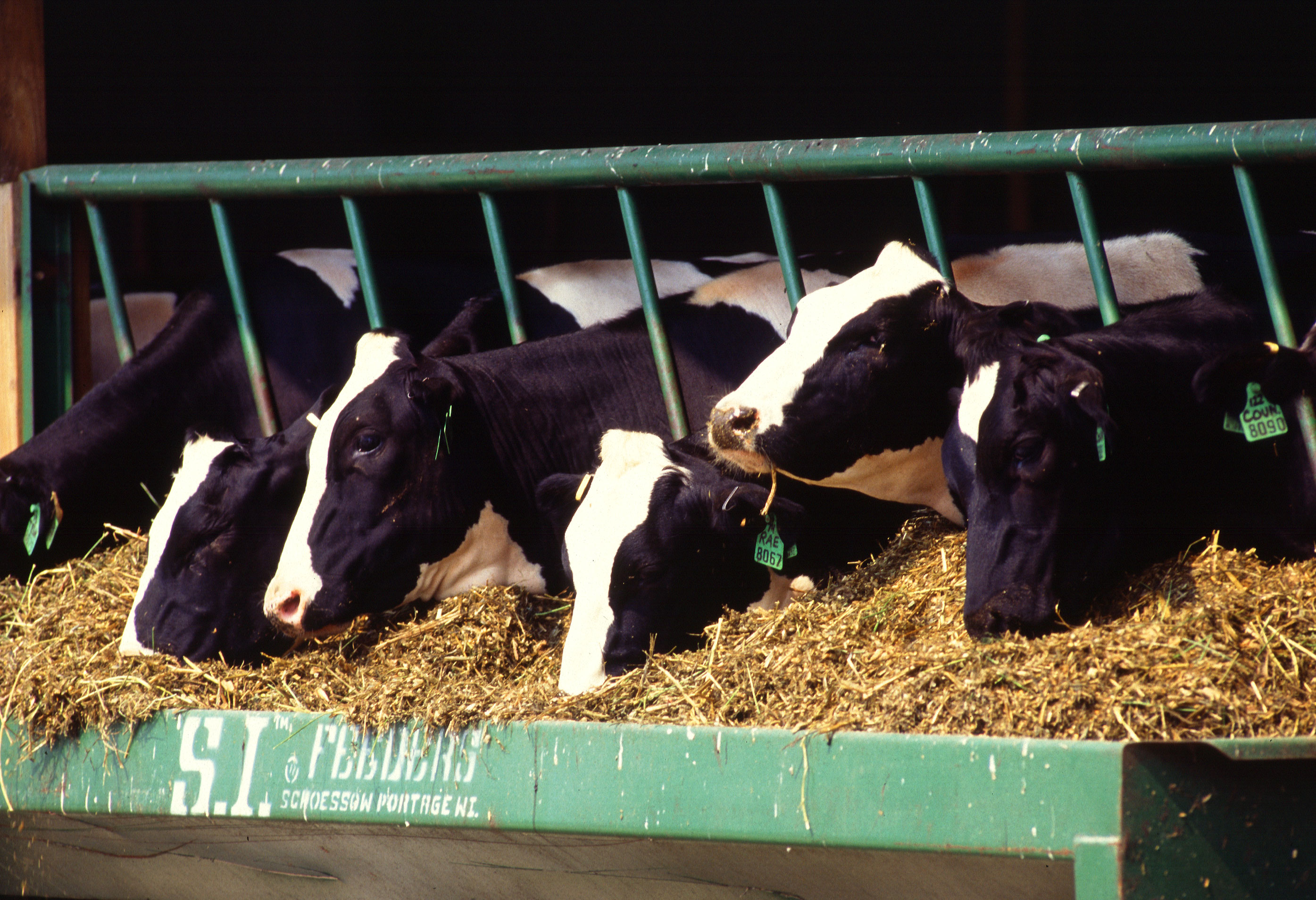 Holstein dairy cows from http://www.ars.usda.gov/i...
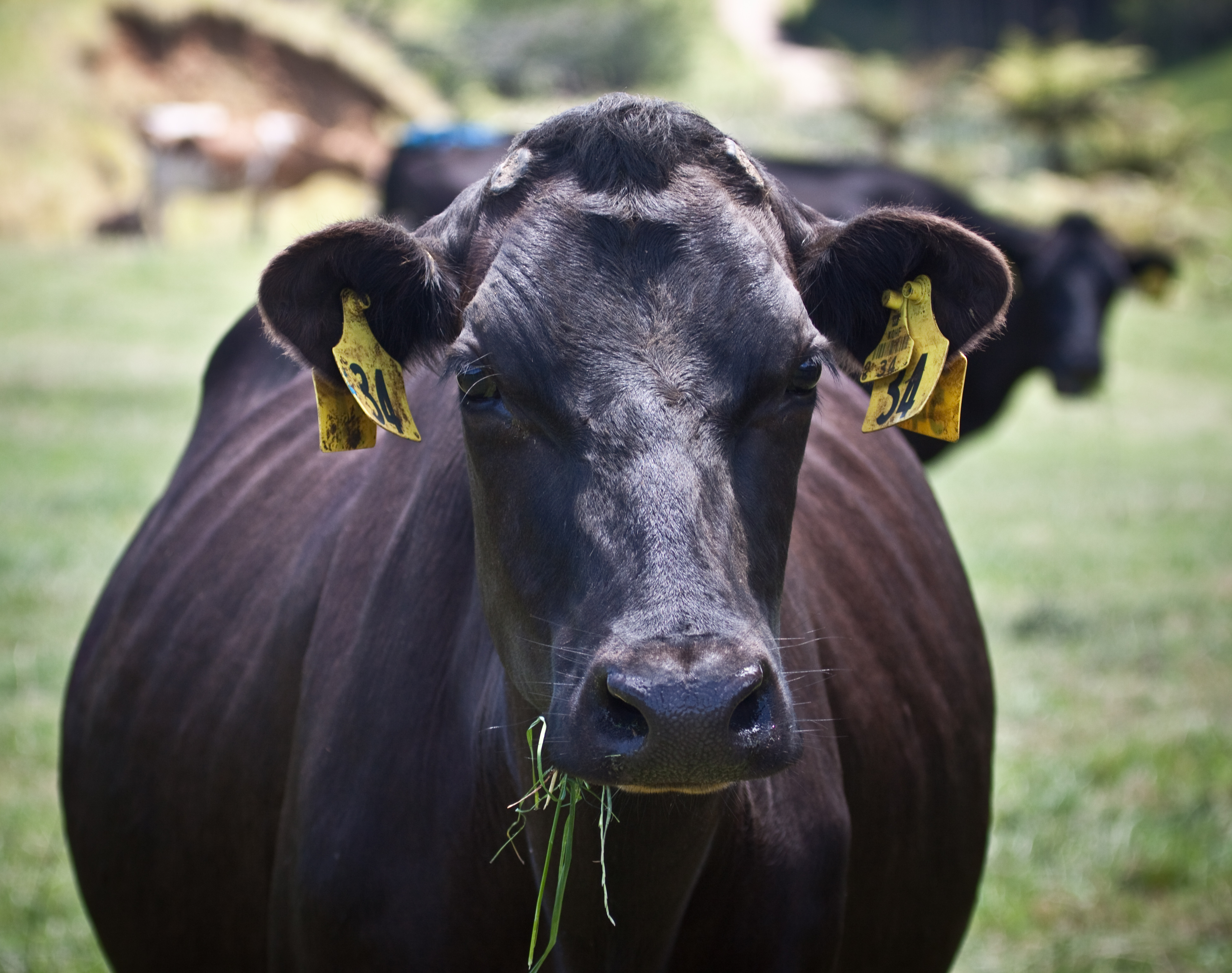 English: A dehorned dairy cow in New Zealand
Today about 1.3 billion cattle are trampling and stripping much of the vegetative cover from the earth's remaining grasslands. Each animal eats its way through 900 pounds of vegetation a month. Without plants to anchor the soil, absorb the water, and recycle the nutrients, the land has become increasingly vulnerable to wind and water erosion. More than 60 percent of the world's rangeland has been damaged by overgrazing during the past half century.
Cattle ranching has also been linked to Global Warming. The grain-fed-cattle complex is now a significant factor in the emission of three of the gases that cause the greenhouse effect- methane, carbon dioxide, and nitrous oxides- and is likely to play an even larger role in Global Warming in the coming decades. The burning of fossil fuels accounted for nearly two-thirds of the 815 billion tons of carbon...