Planning.
Introduction: An Enzyme is any one of many specialised organic substances, composed of polymers of amino acids, that act as catalysts to regulate the speed of the many chemical reactions involved in the metabolism of living organisms. Those enzymes identified now number more than 700.
Enzymes are classified into several broad categories, such as hydrolytic, oxidising, and reducing, depending on the type of reaction they control. Hydrolytic enzymes accelerate reactions in which a substance is broken down into simpler compounds through reaction with water molecules. Oxidising enzymes, known as oxidises, accelerate oxidation reactions; reducing enzymes speed up reduction reactions, in which oxygen is removed. Many other enzymes catalyse other types of reactions.
Individual enzymes are named by adding ASE to the name of the substrate with which they react. The enzyme that controls urea decomposition is called urease; those that control protein hydrolyses are known as proteinases. Some enzymes, such as the proteinases trypsin and pepsin, retain the names used before this nomenclature was adopted.
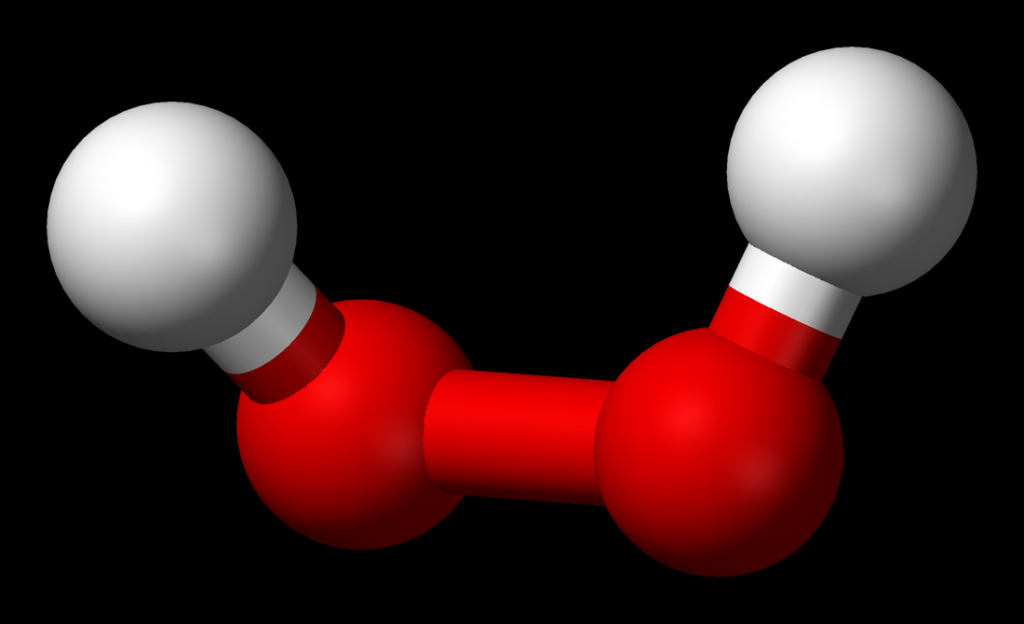 Ball-and-stick model of the hydrogen peroxide mole...
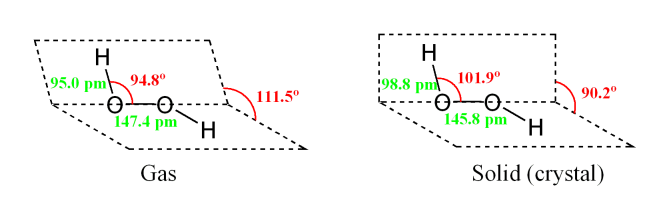 Structure of hydrogen peroxide
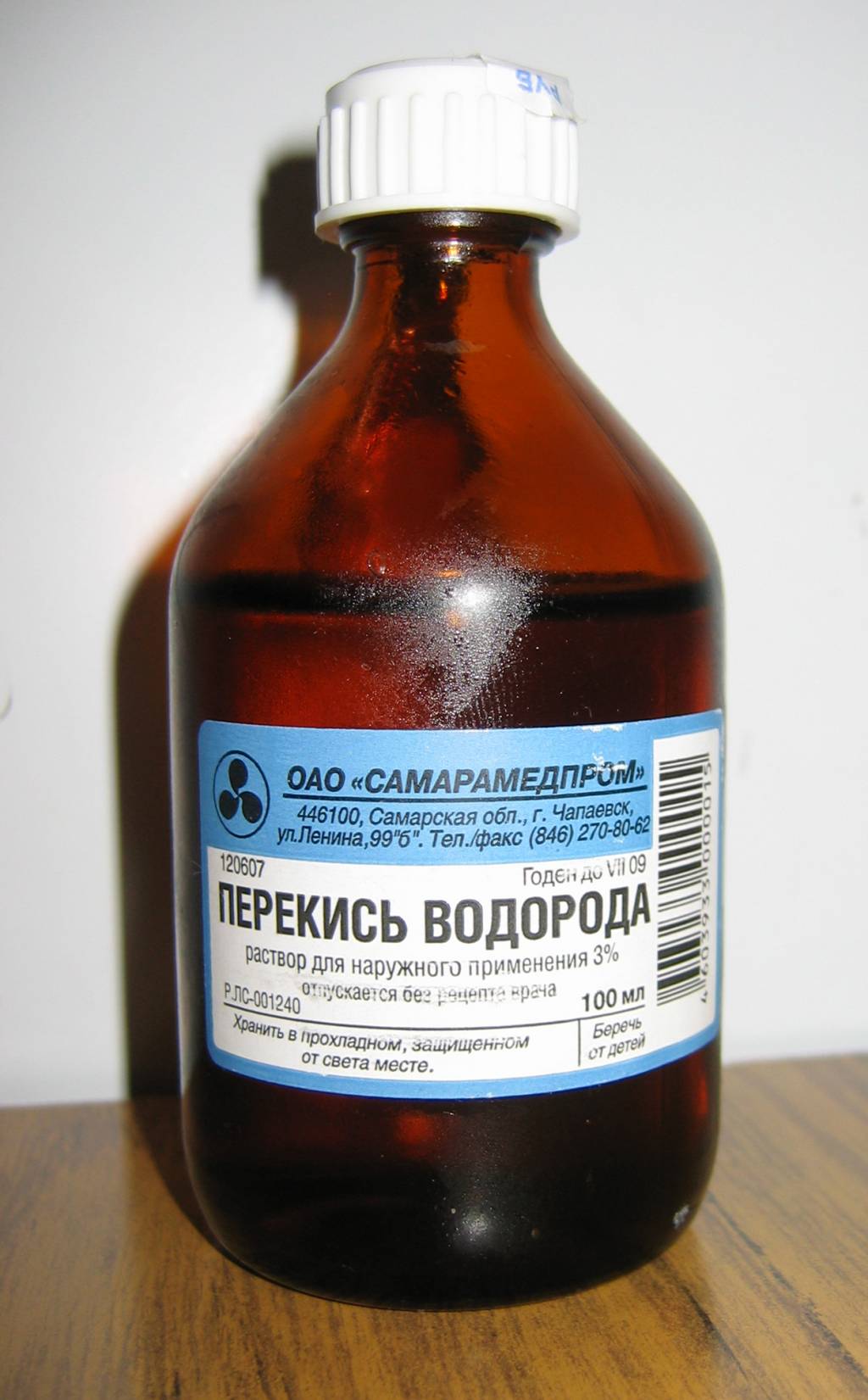 Hydrogen peroxide
( Fig 1.0 on the following page )
Structure and Function of an Enzyme.
Enzymes are large proteins that speed up chemical reactions. In their globular structure, one or more polypeptide chains twist and fold, bringing together a small number of amino acids to form the active site, or the location on the enzyme where the substrate binds and the reaction takes place. Enzyme and substrate fail to bind if their shapes do not match exactly. This ensures that the enzyme does not participate in the wrong reaction. The enzyme itself is unaffected by the reaction. When the products have been released, the enzyme is ready to bind with a new substrate.
Properties of Enzymes.
As the Swedish chemist Jöns Jakob Berzelius suggested in 1823, enzymes are typical catalysts: they are capable of increasing...
Ooh come on
it was a good and useful essay but can anyone ever learn to NOT JUST COPY AND PASTE TABLES! its very annoying trying to read off!
0 out of 0 people found this comment useful.