This essay is a 1 page biography on Adam Smith, the "father of capitalism".
Adam Smith, who is considered the father of capitalism, was born in Scotland in 1723. After turning fifteen, he attended Glasgow University, where he studied moral philosophy. Two years later he proceeded on to Balliol College. While in Edinburgh, he began giving public lectures.
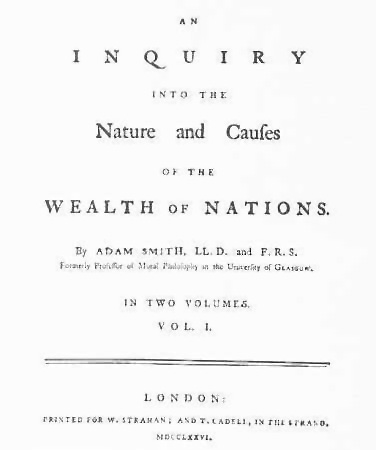
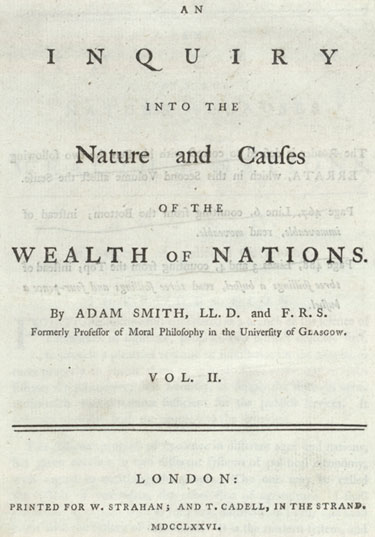
In 1751, he was named professor of logic at Glasgow, and then appointed chairman of moral philosophy a year later. He lectured on such topics as ethics, rhetoric, jurisprudence, and political economy, also known as "police and revenue". Theory of Moral Sentiments, which he published in 1759, contained some of his lectures from Glasgow. This book stressed the general harmony of human motives and activities under a beneficent destiny. He published his most famous work, The Wealth of Nations, in 1776. Its emphasis was more on a general theme of "the invisible hand", which supported harmony of interests, and free trade. Nevertheless, people were not convinced of the advantages of free trade immediately. The Wealth of Nations was the first and most important of all books written on the subject of political economics.
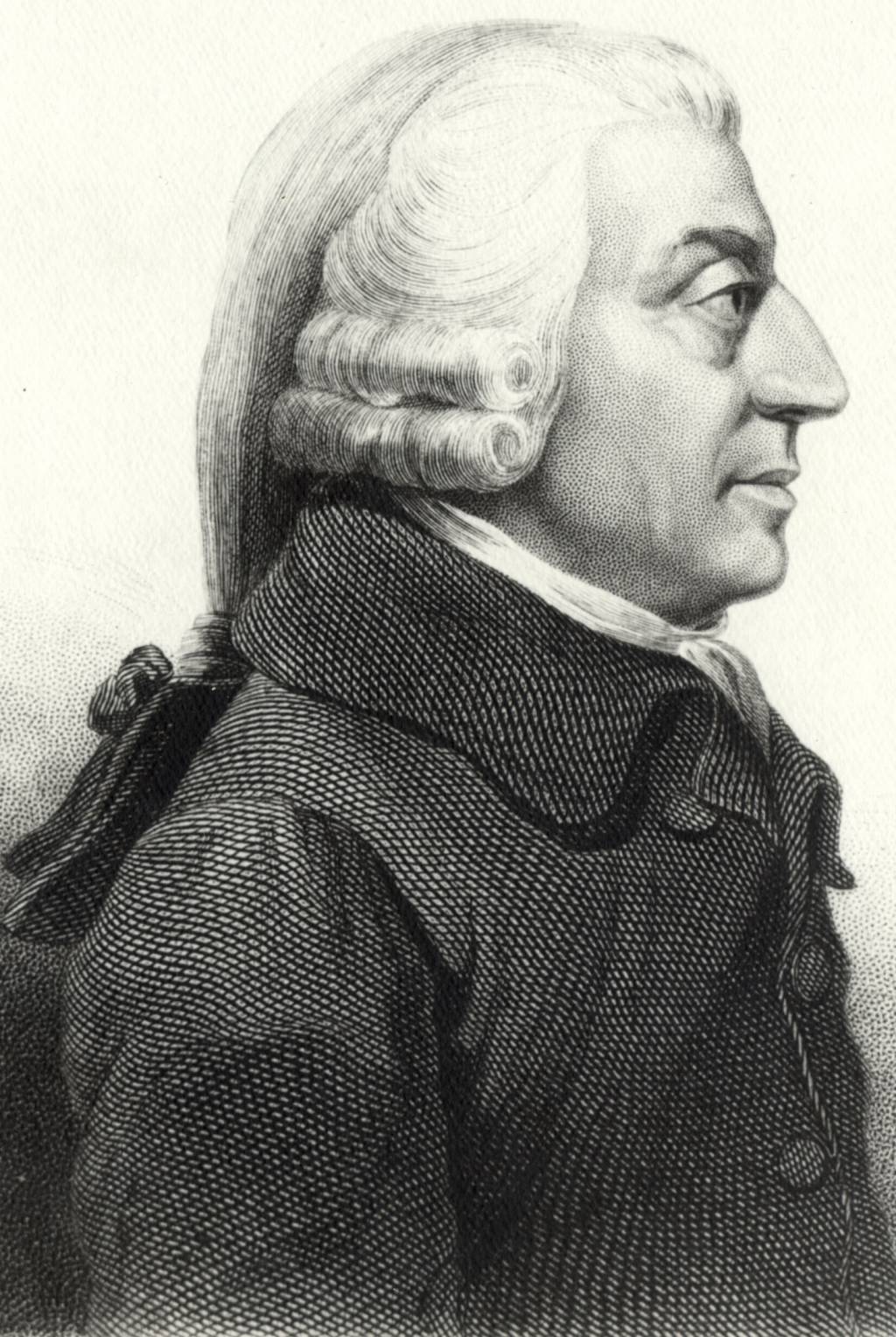
After traveling abroad, he settled down in Edinburgh, where he was the commissioner of customs. He died here from a painful illness on July 17, 1790. It was later found that he had given a large sum of his income to charity. Smith had all his manuscripts destroyed shortly before his death.
More Development Studies
essays:
Postal Service As a Monopoly
... loan two years in advance which will save them 22 million dollars of interest in the next two years (#3 ...
Diamonds and Africa. Western influences on African Diamond mines.
... principles of marginalization and elitism rooted in the concurrently imposed market-identity. The nation-state in present-day Africa is by-and-large a system of political economies in ...
"Globalisation today is not working"
... their national governmental control on the implementation of the new political economy (Burgi & Golub, 2000). In fact, while the role of the ...
Financial development & economic growth
... result in promoting specialization and economic innovation and growth. As Adam Smith, father of economics, has pointed out that specialization, low transaction cost and ...
Indian Insurance Sector
... no national treatment limitations on foreign players in life and non-life insurance. Overall, we feel that India should increase the FDI investment limit up to 49 per cent over the next 3 years, which will allow greater infusion of capital ...
Globalization and It's Impact over Social Politics and Policy
... globalization theories in so far as they regard globalization as an "external", naturalistic phenomenon; assume that capital interests are unified; assign a determinant degree of power to (global) economic forces over the course of (national) political action ...
Markets, Politics, and Globalization: Can The Global Economy Be Civilized?
... development of appropriate policies at national, regional, and community levels for optimal use of the global economy in the interest of national, regional, and local human welfare ...
This paper studies the opportunitied and problems faced in public sector human resource management
... and wealth creation because it allows the market influences of free enterprise, competition, risk, and reward to find their own equilibrium. The public sector has regulated these factors out of much of its daily business activity. The health and human services ...