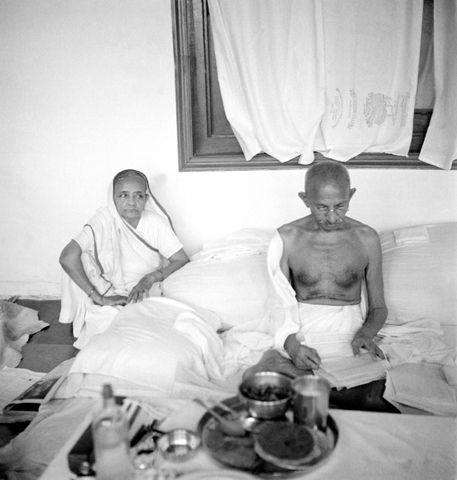
This essay is a description of Ghandi as he is described in the book "The Peguin Reader; Ghandi".
In the first chapter of the Gandhi Reader, entitled Critique of Modern Civilization, the views of Gandhi are portrayed in an interview style between a reader and an editor. I feel that this style of writing is effective but confusing. I was pretty much reading an entire conversation between two people, and because of the style, I became very confused and disoriented about the text I was reading. The drawn out question answer session became boring and hard to follow. It almost seems that the editor and the reader were going at each other, and even though conflict grabs peoples attention, it drew me away from the what the important facts were.
The main focus, as the title suggests, was the critique of modern civilization. The editor seems to me, to be pretty much complaining about everything going on. It's good to have pride in one's country, but I feel that the pride the editor is showing is prejudice. I mean, the editor talks about home-rule, or swaraj, and how he is a total believer of it. Swaraj is a good principle, but I feel that one country, alone, being independent, is not a great equation for success. Take in America's case, our push for independence was based a lot on the feeling of nationality. But if it was not for the British, and its influences, America would not be like it is today. For instance, Congress is based on British Parliament. With out outside influences, a countries views may not be as broad as they would if they would have been weathered and altered because of other views of other nations.
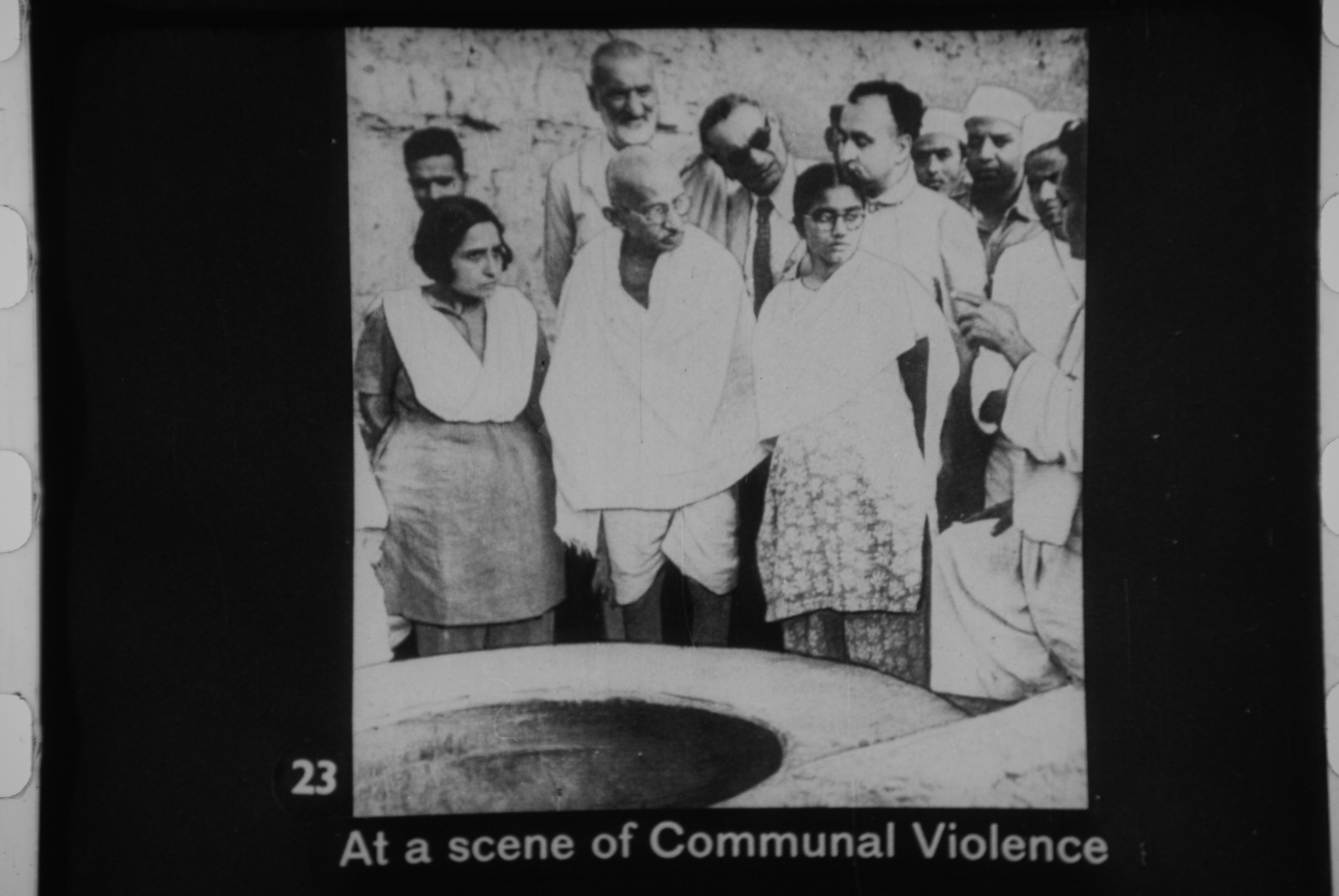
The editor portrays himself as almost hateful toward England. In Part 5, the editor continuously bashes England, its people, and its ways. He describes Parliament as a baby,
More Asian History
essays:
Critically evaluate how Said's "Orientalism" thesis and Huntington's "clash of civilization" thesis apply to Asian.
... great divisions among humankind and the dominating source of international conflict will be the cultural. A civilization is the "highest cultural grouping of people and the broadest ...
Early Life of M. Gandhi and his Background.
... the system that they administered or represented was crucial for Gandhi because it allowed for conflict to be conducted on a de-personalized basis without the ... and how successful non-violent demonstration can be, and the importance to save human life and not destroy it. "Nonviolence is ...
Mahatma Gandhi: The Great Soul
... in fact form an alliance but the bond was always very weak and many people felt that this was a bad mistake on the part of Gandhi. This would cause some conflict later ... to be rebuilt from the bottom up. Religion was an important aspect of Gandhi's life. He was incredibly religious but he also wanted ...
Fusosha Essay - Japanese Text Books In Korea
... it is more important for Koreans to teach correct history to its younger generation. A wall of historical crimes, prejudice, pride and ignorance ... are sometimes quite ungrounded and exaggerated. If we recognize historical facts correctly, the relationship between these two countries will develop in ...
The Salt Satyagraha Movement: The dissatisfaction against the Salt Tax in order to gather large public support
... V. Joan. Conquest of Violence or The Gandhian Philosophy of Conflict. New Jersey:Princeton University Press, 1988. Dalton, Dennis. Mahatma Gandhi or Nonviolent Power in Action. New York:Columbia University Press ...
Vietnam Term Paper
... presented in the Pentagon Papers also points to another very important fact: that while Diem may indeed have fallen out of favor ... make concessions with the Buddhists since the outbreak of the conflict in early May, Diem, "continued to drag his feet on ...
Explain the causes for the failure of White Revolution? ( in Pahlavi dynasty)
... addition the Iranian economic situation was conditioned by the political conflict. In 1960, one of the most important events was the election of the twentieth Majles. The two ... was the threat of the return of despotism in the style of Reza Shah; they were not, however, opposed to the ...
Colonial impact on the indian
... and interests influence every aspect of social life of a colony. Another important fact about India is that the colonial rule lasted for a very ... from the plunder and exploitation of India. “The Company obtained Dewani or civil administration rights of Bengal, Bihar and Orissa in 1765 and this opened ...