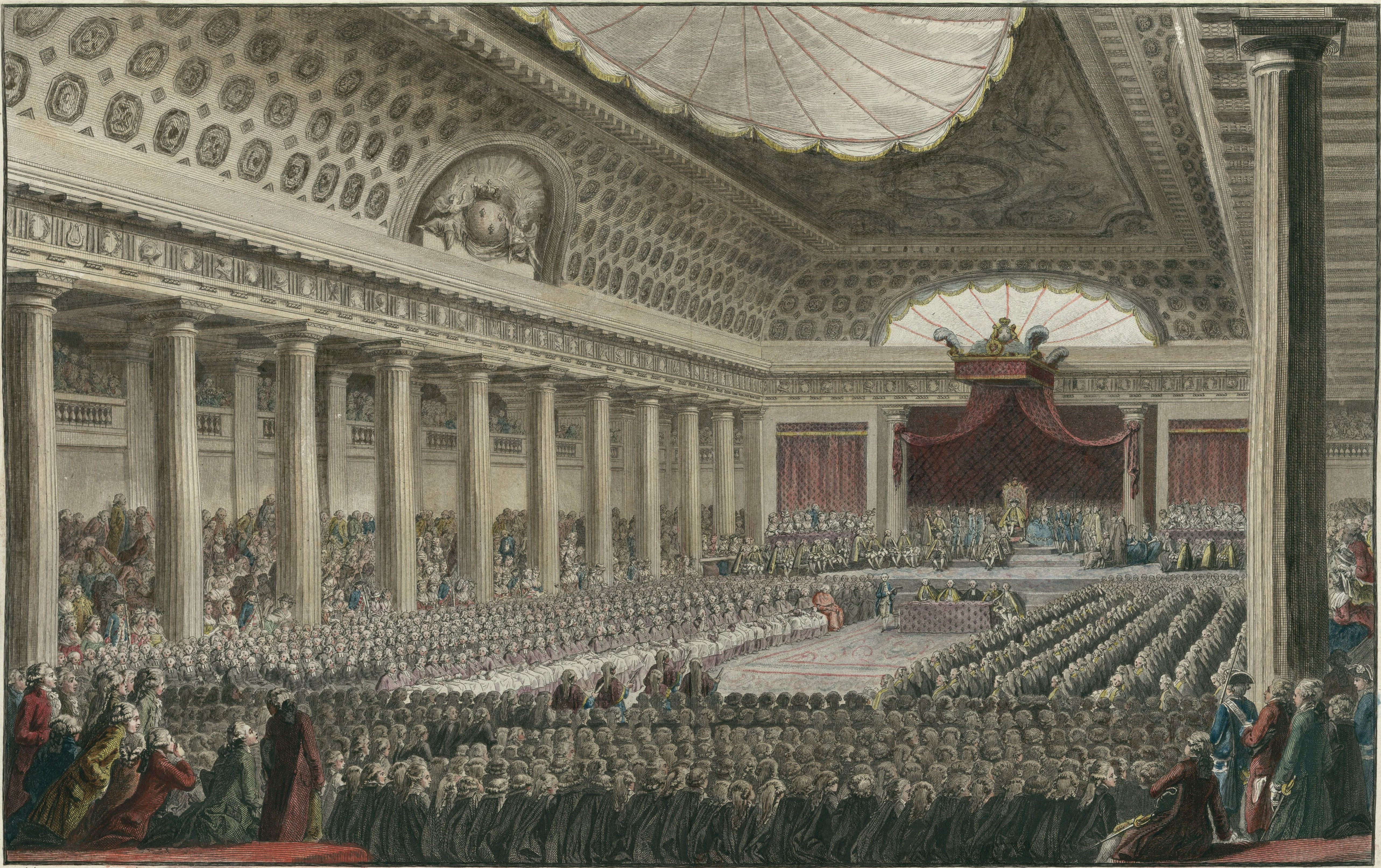
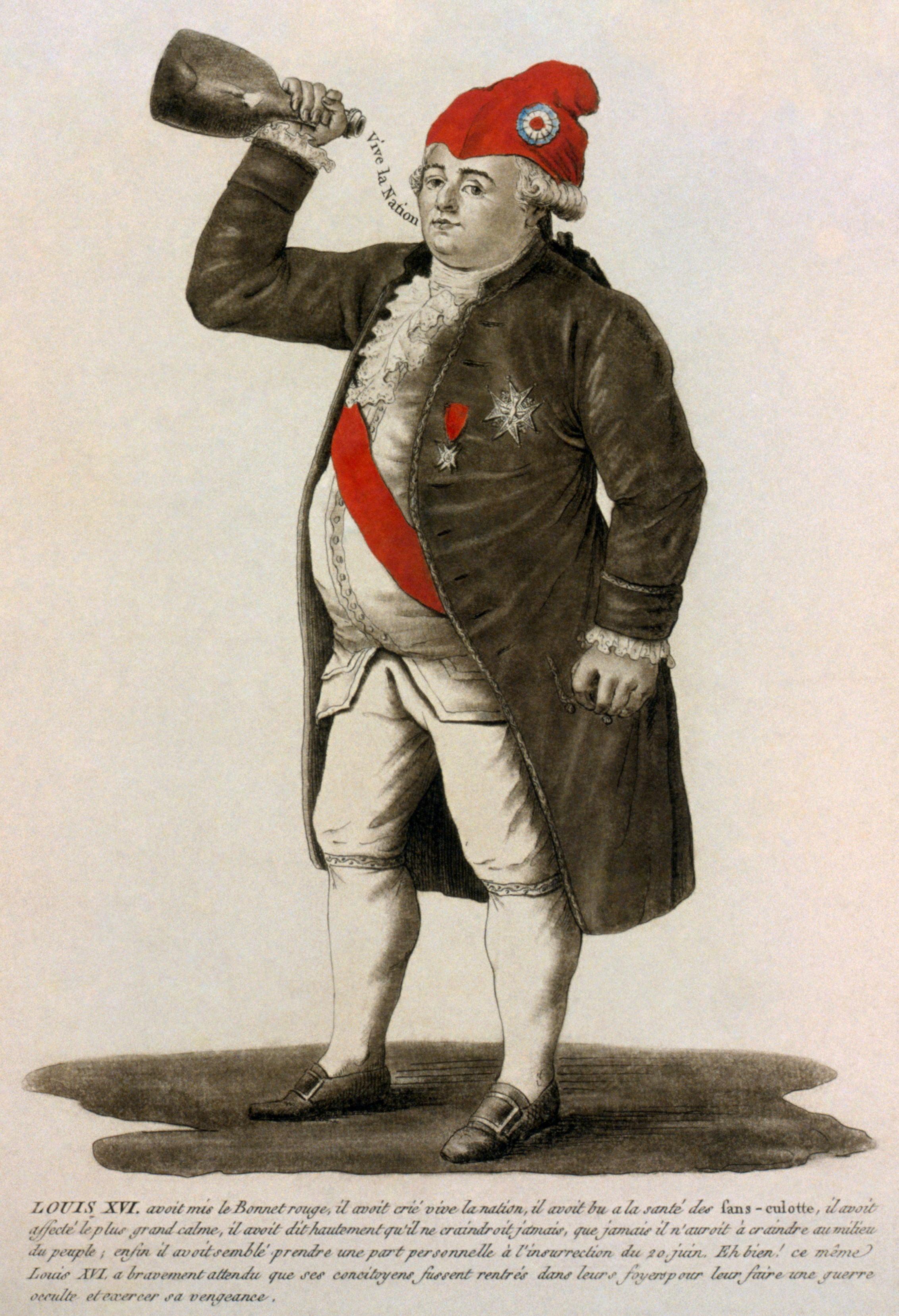
This is an essay on the French Revolution.
Revolutions are generally the result of political problems, economical problems, social reasons, or a combination of all these factors. The French Revolution of 1789-1799 was one of the most important events in the history of the world. It questioned the authority of kings, priests and nobles. The primary cause of the revolution was the dispute over the people's differing ideas of reform. It was essentially a revolution of all classes of society against the old system of government.
France, a feudal country in the eighteenth century, was ruled under the 'ancien regime'. The king was the absolute monarch. He had centralized power in the royal bureaucracy. At this time in French history, the social classes played a very important role in the lives of the people. The social structure of France was divided into three groups: The First Estate, The Second Estate and The Third Estate. The First Estate was the clergy (the church). During the 'ancien regime', the church was equal in terms of its social, economic and spiritual power. This class owned nearly ten percent of the land in France. It paid no taxes, but to support church activities such as school running and caring for the poor, it collected a tithe, or a tax on income. About one third of the entire clergy in France served as parish priests. This estate was a minor one, making up 1 to 2 percent of the entire population.
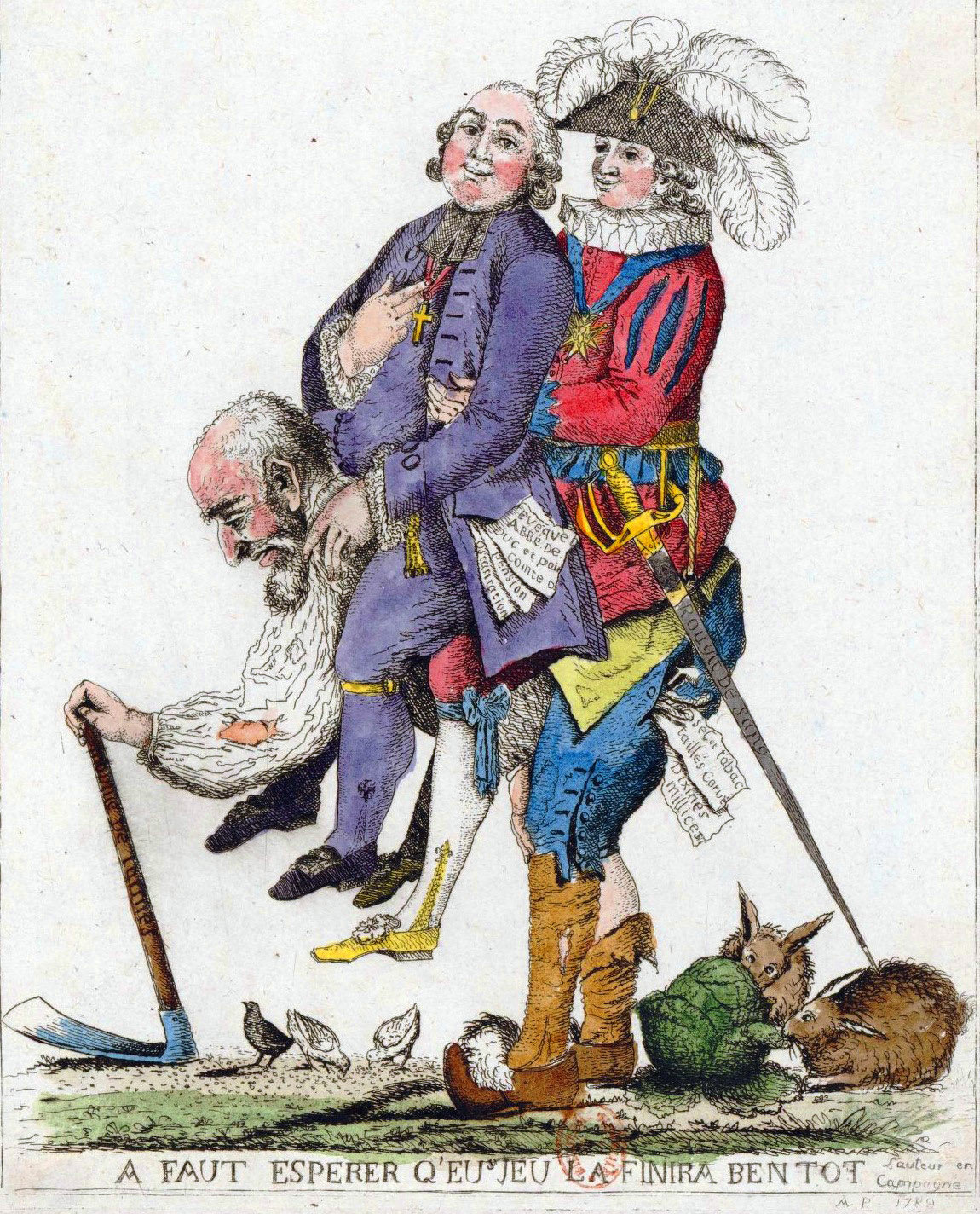
The Second Estate was the most powerful one, made up of nobles. They enjoyed extensive rights and privileges. Although they were only about 1.5 percent of the population, the nobles owned about one third of the land in France. Thus, economically, the nobility was characterized by great land wealth. Like the First Estate, they hardly paid any taxes. Typical sources of income...
More The French Revolution
essays:
Was Napoleon the son or the enemy of the French Revolution? In this essay, I will try and investigate whether Napoleon Bonaparte brought a positive change to France or was he just another tyrant.
... M. History Of The French Revolution From 1789 To 1814. Grand Rapids: Kessinger, 2004. Print. "NAPOLEON BONAPARTE THE EMPEROR OF FRANCE 1769 TO 1821 FRENCH REVOLUTION." SOLAR NAVIGATOR HOMEPAGE INFORMATION PORTAL MARINE WORLD ELECTRIC ...
The French Revolution and the Attack on the Privilege
... seizure of constitutive and legislative power by the third esate and, from a juridical prospective, the crucial event of the revolution of 1789. It transferred sovereignty from the King to the nation ...
What were the causes for the French Revolution? (suggestion for improvement: add the calling of the Estates General and the subsequent split which led to the National Assembley)
... to the French Revolution were France's social and political inequalities and its financial difficulties. By 1789. France was an absolute monarchy with a weak monarch. King Louis XVI was incapable of strong ...
Reign of Terror was during the French Revolution.
... French Revolution. Under the Reign of King Louis the XIV, France still maintained a basically feudalistic society in which the monarch ruled with divine and absolute authority. This "ancien regime" had persisted for centuries throughout Europe. A stratified social class structure ...
History: French Revolution: Discuss how the social and political situation made fertile ground for the French revolution
... social and political causes made fertile ground for the French revolution King Louis XVI of France married Marie Antoinette, and together they lived in luxury, at the palace of Versailles while his people suffered. King Louis ruled as an absolute monarch ...
'The French Revolution: Causes and Effects' by Sakshi Kaushik
... year 1789 when they faced this problem along with other difficulties. Financial crises also do not seem to be the main cause. It is clear that social inequality was the main cause of the French Revolution, but coincidental events such ...
Social factors contributed to the French Revolution of 1789
... to the French Revolution of 1789 Although social tensions within France certainly contributed to the revolutionary situation in August 1789 it was not the only contributing factor. Divisions and inequality between, as well as within, the Three Estates ...
French Revolution - What were the causes of the downfall of Louis XVI?
... in the country. The French society was divided into three estates. The First Estate was made up of the clergy, the Second Estate was the nobles, and the Third included the middle class, which were the merchants, lawyers and government officials ...