All the advancements in technology that were being made were not perfect and still are immune to making mistakes. On January 28, 1986 America was shocked by the destruction of the space shuttle Challenger, and the death of its seven crew members.
As is expected in a field of work that's exploratory and uncertain such as the National Aeronautics and Space Administration (NASA) space program, any tragedy that occurs often makes inside employees, government officials, and even the general public, wonder why it's necessary at all to continue when the consequences are so grave.
On the morning of Feb. 1, 2003, space shuttle Columbia broke apart roughly 40 miles above the earth's surface in the sky over the state of Texas. On this return flight to earth, seven astronauts died aboard the shuttle, six of which were American plus one Israeli astronaut. Five of the astronauts were men and two were women.
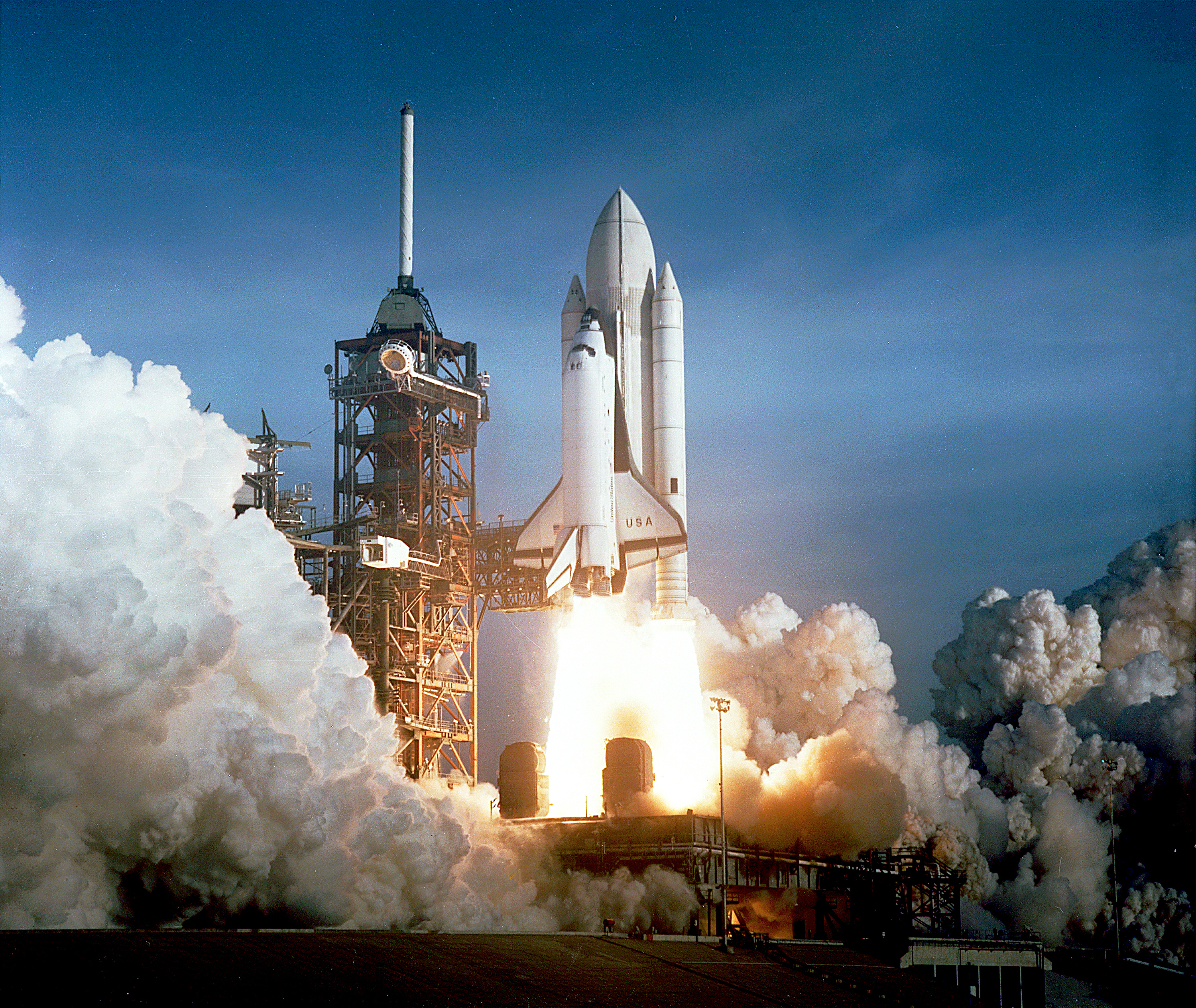 English: The April 12 launch at Pad 39A of STS-1, ...
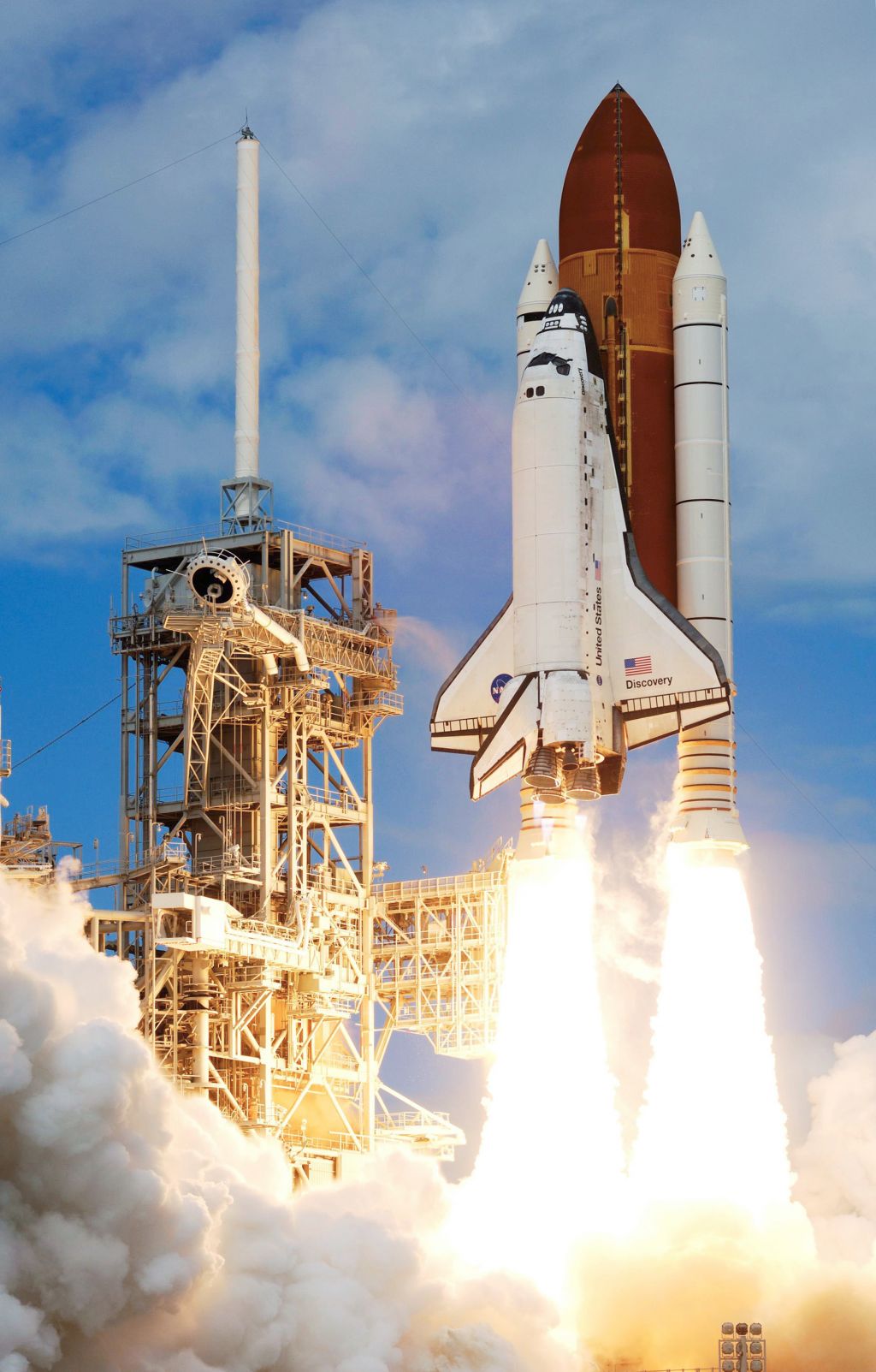 The Space Shuttle Discovery and its seven-member S...
 List of Soviet manned space missions
Four of these people had never even flown in space before. NASA has not yet discovered the reason for this tragedy although there has been speculation.
This is not the first time that a shuttle has been lost. It is the second time in seventeen years. This recent disaster has brought back memories of the Challenger shuttle and its demise in 1986 upon take off.
Tragedies such as the Columbia and the Challenger that occurred seventeen years ago can partly be blamed for lack of funding and cutbacks on employees in order to conserve as much money as possible.
Yet these are not the only tragedies that have taken place. Vostok (12 April 1961): on the very first manned space mission, the instrument module initially failed to detach from the descent module following retrofire. It only separated when the heat of re-entry burned through the straps which attached...
To the brave
with exploring the unknown, there comes with great risks. wow like the timeline, wished it was more organized though. Reading this though, makes me realized how much astronauts put on the line to explore the unknown.
5 out of 5 people found this comment useful.