This Is an Essay about women's Gender roles in the 1920s, specifically the issues surrounding the youth and women in the workplace.
The 1920s brought the United States a gilded perspective of the new roles being assumed by women. It is very easy to believe that women were making a lot of social progress and were prospering financially due to the surge of women being hired to fill the jobs of the absentee soldiers, as well as the "Revolution in manners and morals" where young girls acted more glamorous, flamboyant, and "independent". But the truth of the matter is that women were perceived in the same condescending light as they had always been, under the implication that they were inferior, thus obliged to be submissive to wills of their male partners. The women working in the factories were seen as housewives out of place; society had no intention of supporting any of their decisions to continue working after the soldiers returned. The young women that would go out at night with men and drink and smoke, dubbed "flappers", were acting under the ideology of being independent and free of the societal imposed Victorian role of the submissive, homely woman, when in fact they were further encouraging the idea of a woman dependent on a male counterpart. This is illustrated in the film "Dancing Mothers", where the nightlife activities that Kittens the flapper, the main character, partakes in are completely dependent on whichever male escort she accompanies on a given evening. Essentially, the 1920s were a period of gilding the truth that the United States were being as traditional as ever, and the efforts to revolt against this traditionalism were fruitless.
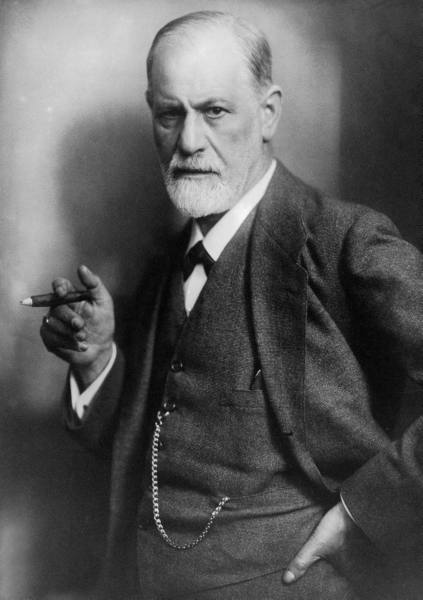
There were, however, many advancements made that altered the expectations of relationships and marriages that skewed from the traditional Victorian ideals. Sigmund Freud had a great impact on the developing idea of companionate marriages where couples recognized sexuality as a healthy, natural...
More Women's Studies
essays:
Women in Advertisements
... from the shampoo. The truth of the matter is her hairstylist gave her the perfect hair, not the shampoo. In addition, the sexual implications are ...
Outline some of the forms male violence against women takes. What purpose does male violence against women serve? Critically evaluate feminist activism around violence.
... male breadwinners not giving their female partners enough money for food, health and housing or the threat of financial insecurity which is used to keep women trapped in violent situations. Women who have been full time carers and out of the ...
The Women's Movement
... been the result of a strong national sentiment in support of the war, it, too, contained subterranean tensions which sometimes flared into open dispute. In one instance, in a Sydney factory where women from ...
HIV/AIDS, Women's Human Rights and the Declaration of Commitment on HIV/AIDS: The principal obstacles for the implementation of the Declaration in Georgia
... that women, young adults and children, in particular girls, are the most vulnerable" (Par. 4). Thus, it becomes obvious, that girls and women living in Georgia, in this Eastern-European developing country, are one of the most ...
Womens Civil rights movement- research paper
... movement of the past few decades has been women's financial liberation. 30 years ago married women were not issued credit cards in their own name and most women could not get a bank loan without a male co ...
Domestic Violence: Theory, Effects & Interventions A literature review on the causes, and societal, psychological, and physical effects of domestic violence.
... one of the leading explanations of the learned behavior of battered women (harway, 1993). Social Psychological Theory explains the strong emotional bond that forms between the battered woman and her partner, sometimes ...
Postwar Women
... much progressed. This new era of equality has brought on a world of change for females. Women for the first time in history are being accepted in society, are given the right to decide, and young girls of today ...
Sexism in the Workplace
... with young women seeing housework more of a part-time rather than a full time job. This is an enormous social change for the family giving women less ... twice the increase for male, making up 48% of the student population. At degree level 46-48% of medicine/business and financial students are women but ...