There is only one major difference between active and passive euthanasia. Active euthanasia is when the patient is having the suicide done for them so as to end their pain or suffering. Whereas the passive euthanasia is when the patients are removed from medication, whether the medication is pills or life support, and are in turn allowed to die as they would normally. An example of active euthanasia would be if a patient had a terminal illness which brought on an inevitable death and the patient or doctor began giving them drugs which would result in an even sooner inevitable death of the patient. However, with passive euthanasia the medication which is provided or able to be provided, is cut off and is no longer being given to the patient. Sometimes this action is decided to be carried out against the will of patients themselves. This would not increase the time the patient had left nor decrease the time they would have had without the medicine.
 From the Ecstasy
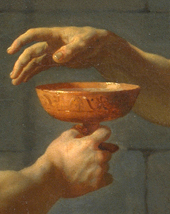 Detail of The Death of Socrates. A disciple is han...
 English: Philip Nitschke campaigner for the human ...
Another method of suicide for patients wishing euthanasia is physician assisted suicide. While physician assisted suicide is similar to active euthanasia it is not the same thing. When a patient is actively involved in physician assisted suicide they are given drugs to take themselves which aide in their death, while with active euthanasia the doctor is doing it for them. Even though there are major similarities there are also major differences.
I believe that there really are no moral differences between the active or passive euthanasia. Since the outcome of both always end up the same, with the person dieing sooner than originally preordained, then the channel of which they take to produce the results really make no difference. Therefore since the consequences of their actions end up the same no...
Euthanasia
Although this is an informal essay, you do a good job clairfying the differences between the three types. It seems with the current trends, more and more people will consent to writing 'living wills' in the future.
0 out of 0 people found this comment useful.