Events in the late 1800's that led to the civil war in America
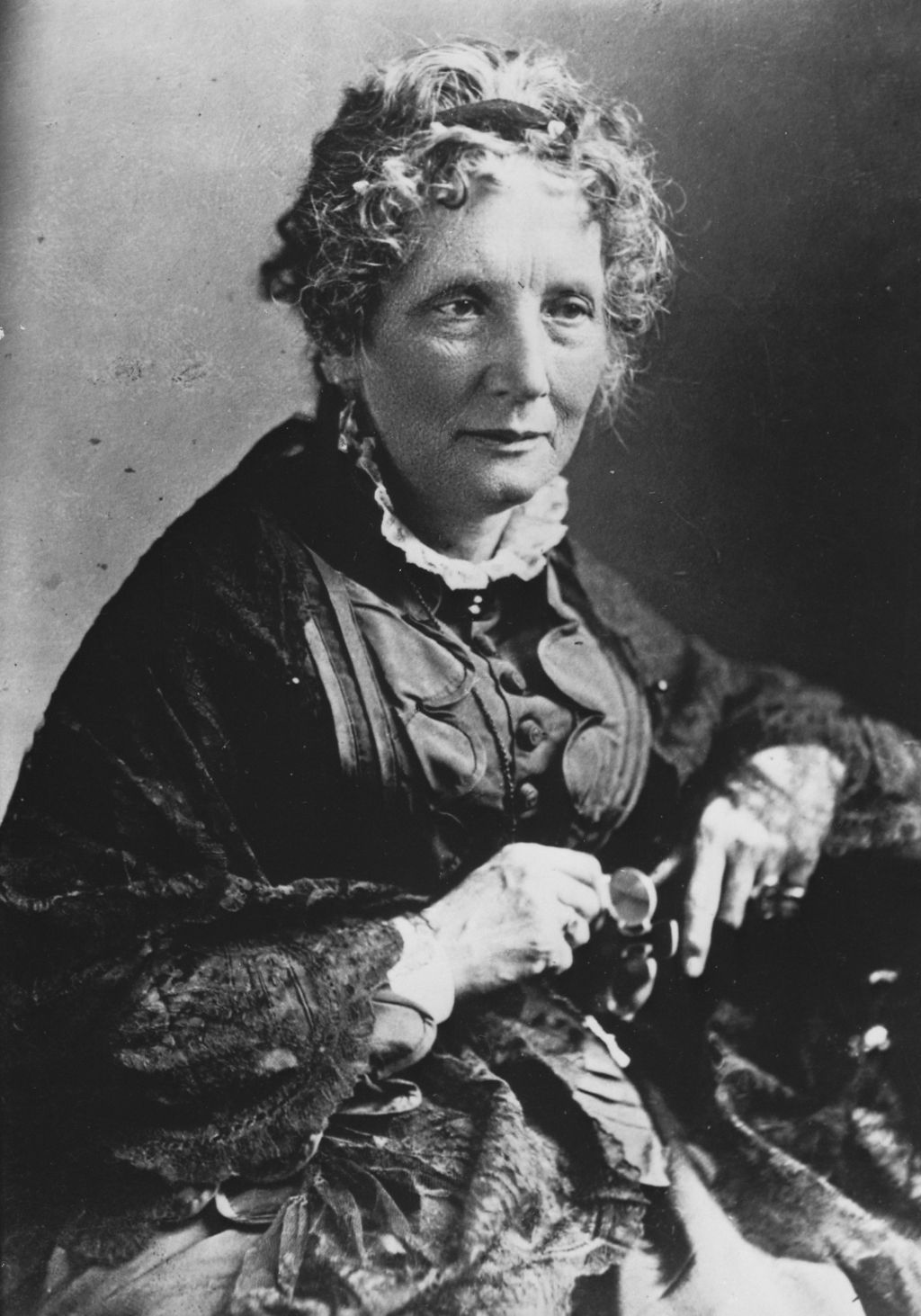
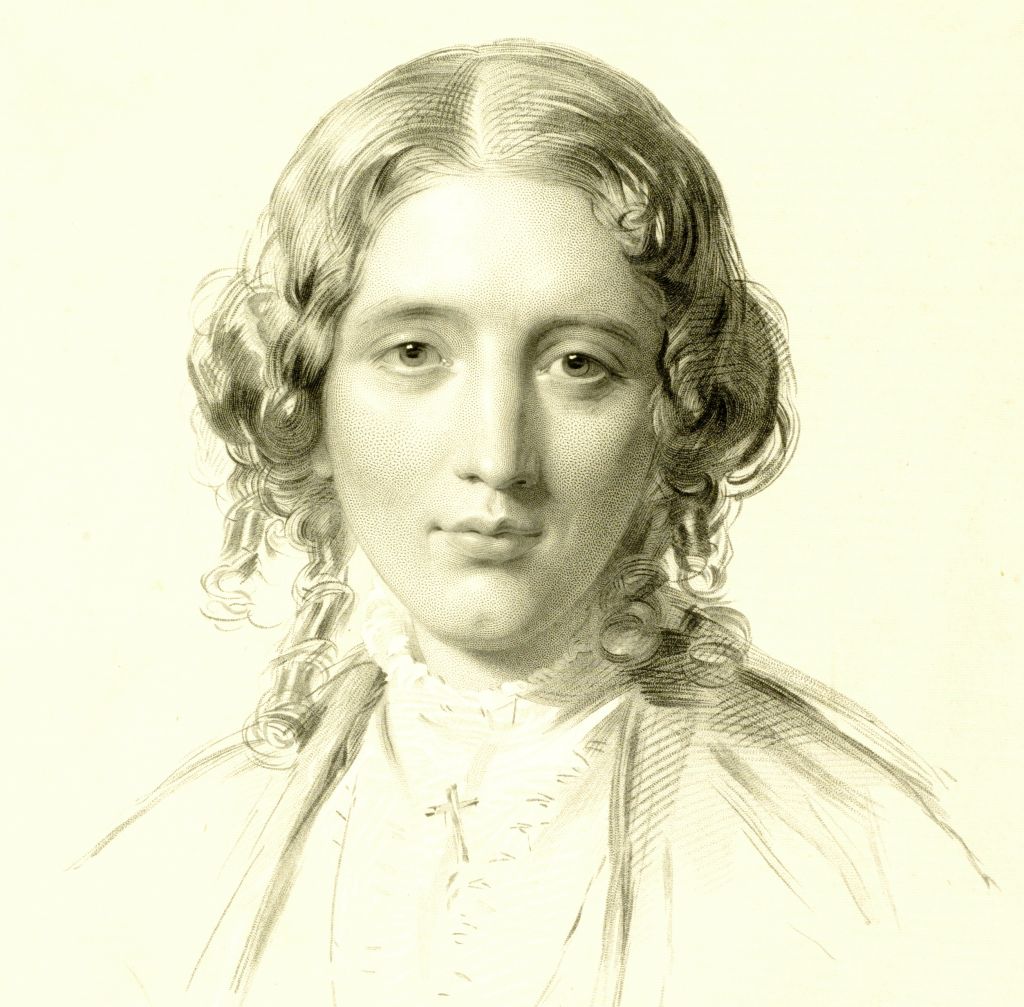
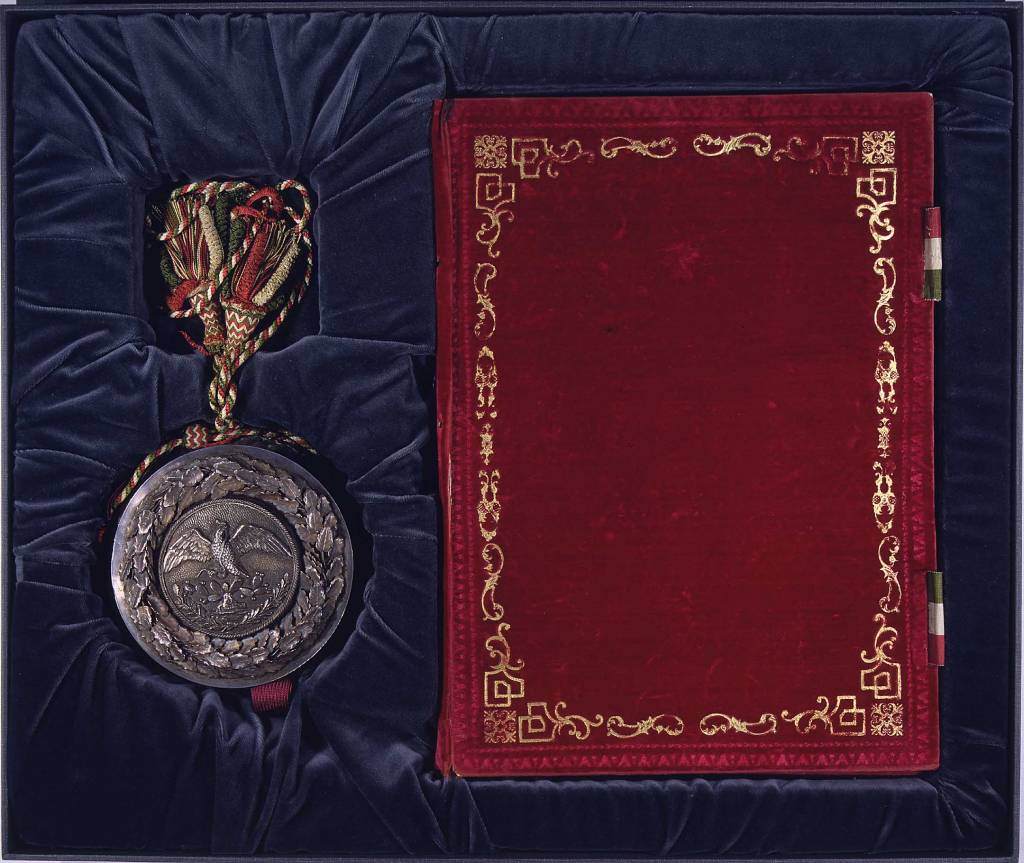
Many controversial issues arose in the mid 1800's in the young United States of America. In 1848 Mexico signed the Treaty of Guadalupe Hidalgo, which settled the war between The US and Mexico and contributed to the growing area of the United States .In 1852 Harriet Stowe published the novel Uncle Tom's Cabin. This novel showed the horrors of slavery to over half a million Americans contributing to anti-slavery feelings in the north. Only three years later violence broke out in Kansas. This outbreak was referred to as "Bleeding Kansas".
First off, the Treaty of Guadalupe Hidalgo was signed by Mexico in 1848 causing controversy over the new territory acquired from our southern border. Northerners did not want the new territory to become slave states. Many debates took place tiring to find a solution that would please both the southern slave states and the northern free states. Two years later The Compromise of 1850 was put into place to help solve several problems regarding the new territory. In the end the compromise decided on several conditions: 1. the southern border of Texas was the Rio Grande 2. New Mexico, Arizona, and Utah voted on whether they wanted to enter as free states or slave states 3. California was admitted as a free state. Several other decisions arose from the compromise but they did not affect the new territory gained from Mexico.
Also, the novel "Uncle Tom's Cabin" was published two years after the compromise. The novel became the best seller of the nineteenth-century selling about 500,000 copies in its first five years. The novel centered on the theme of slavery. It was written by American abolitionist Harriet Beecher Stowe who wrote several other anti-slavery novels. The novel Uncle Tom's Cabin was actually written as an angry response to the fugitive...
More North American Wars
essays:
Reasons That Led To The American Revolutionary War
... of British troops in Boston. These acts gave the British government the right to occupy the Colonial territory. The Colonists felt choked and were ready to take action ...
The Causes of the Civil War (8 pages double spaced, includes 10 sources)
... extension of slavery into new territories. The North wanted to limit the number of slave states in the Union. Many Southerners felt that a government dominated by free states could ...
To what extent did southern commitment to states' rights weaken the Confederates in the Civil War?
... whose three year enlistments had expired were forced to stay in the army, and the upper and lower age limits of the draft were stretched to fifty and seventeen respectively. So the state rights belief regarding slavery hampered the southern war ...
The Events that led to the American Revolution - Takes into account all events, thoughts, and ideas that led to the American Revolution
... and later will resist the british imperialism on the colonies. "All before, are calculated to regulate trade, and preserve prpromote a mutually beneficial intercourse between the several constituent parts of the ...
The events that caused the civil war.
... Missouri compromise was the first issue to pose a conflict with the balance of power between North and South which in turn led to the other events. Since slavery was scapegoated, the novel 'Uncle Tom's Cabin' by Harriet Beecher Stowe ...
The Vietnam War & the 1960's Fthe political changes to the Civil Rights Movement.
... 000 a year later. Contrasted to Goldwater, however, he seemed a model of restraint. Johnson, with Hubert H. Humphrey as his running mate, ran a low-key campaign and overwhelmed Goldwater in the election. The Arizonan won only his home state ...
The civil war in America; Its place in history.
... the slave States and the North. If my present theme were the institution of slavery in general, I should endeavour to show that it has been a mighty ... was a sword, to the other a shield. And so it happened that the long reign of Southern politics at Washington, down to the year 1860 ...
Civil War: Prelude to the Civil War
... The Compromise of 1850 was a temporary solution to a long-term problem. However, American citizens still became more distanced because of slavery in the years to come. The next major issue that affected the United States was the Kansas-Nebraska ...