Evolutionary Adaptations to Flowering Plants
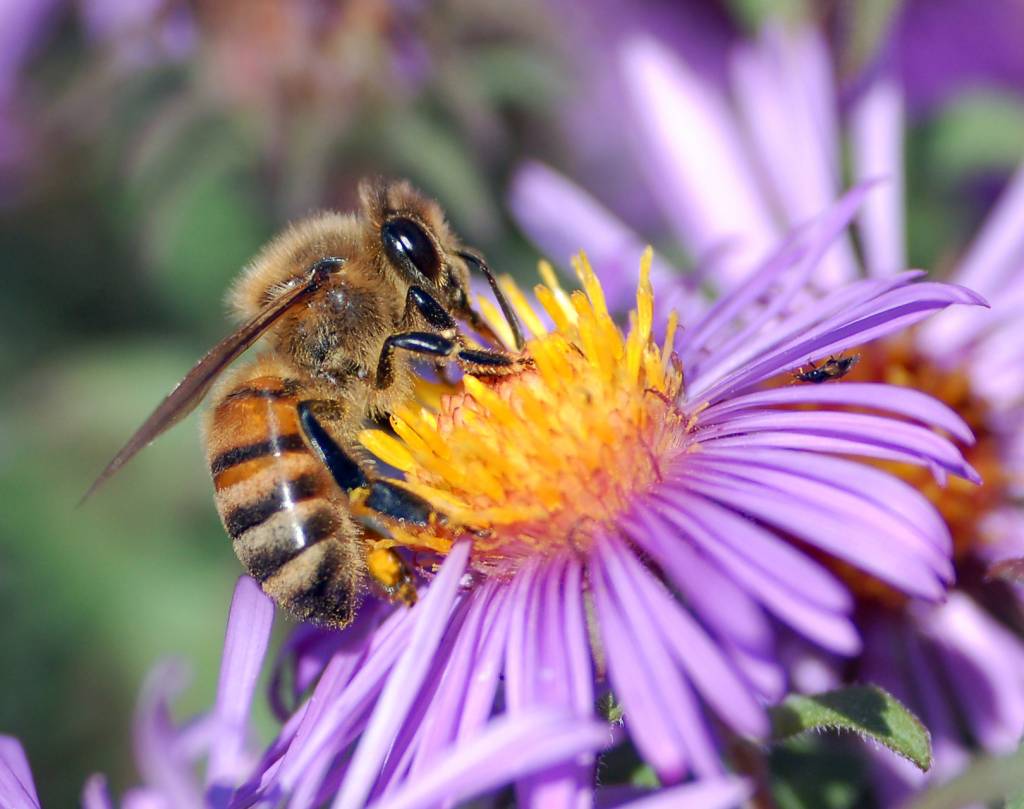
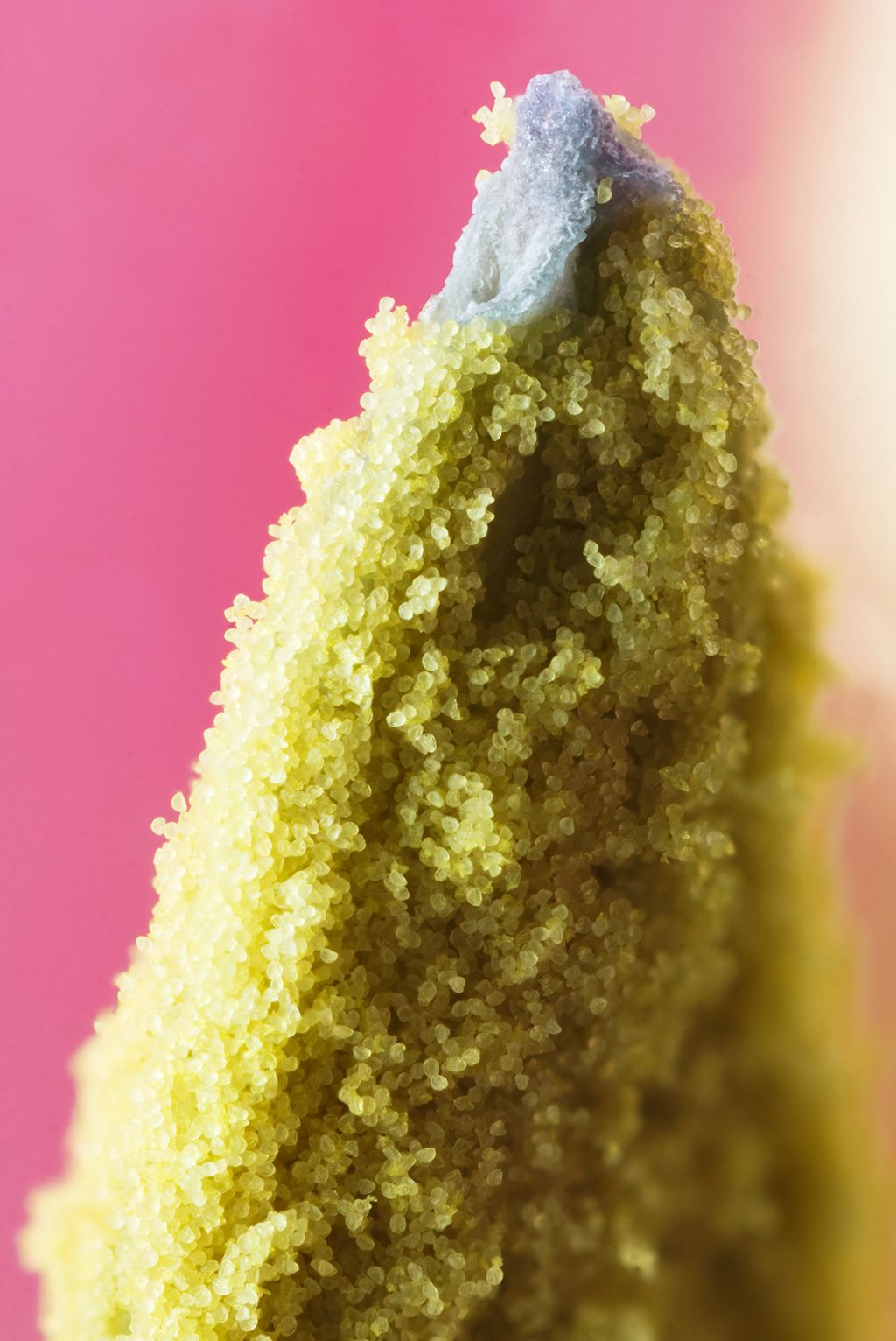
Flowering plants, or angiosperms, are plants of the class of Angiospermae that produces seeds enclosed in an ovary and is characterized by the possession of fruits and flowers. They are adapted to life on land than mosses by several reasons. Adaptations that angiosperms went through to become a more successful terrestrial organism than mosses are the development in their vascular tissues and their specialization in their organ for sexual reproduction, the flower.
Xylem functions in the conduction of water and minerals and also provides mechanical support. In addition to the primary cell wall that all plants have, xylem cells have a secondary cell wall that gives them additional strength. Sometimes, the walls of xylem cells have pits, or places where the secondary cell wall is absent. Most xylem cells are dead at maturity since they are cell walls lacking cellular components, and contain only the material being transported. There are two kinds of xylem cells, tracheids and vessel elements. In tracheids, which are long and tapered, water passes from one tracheid to another through pits on the overlapping tapered end of the cells. Vessel elements are shorter and wider than tracheids, and have less or no taper at their ends. A column of vessel elements is called a vessel. Water passes from one vessel element to the next through areas without both primary and secondary cell walls. These areas are called perforations and are literally holes between cells. Because of the perforations, water movement through vessel elements is more efficient than through tracheids. As a result, vessels are considered a more evolutionary advanced feature. They are found most prominently among the flowering plants.
Refinements in the vascular tissue of angiosperms, especially the xylem, played a role in spreading flowering plants across diverse terrestrial habitats. The vascular tissue of flowering plants...
More Plant Biology
essays:
The Structure of Plants as Relates to Transpiration
... the plant. Xylem is formed from tracheids and vessel elements, two types of elongated cells. Tracheids and vessel elements are non-living. Tracheids are reinforced with lignin, providing the plant with structural support. The plant is ...
To investigate whether there is a difference in the frequency of stomata between green and white areas of leaves
... guard cells lose water they become flaccid and the stomata close. However this is also the pore through which water leaves the plant in transpiration in order to promote the uptake of water up the xylem. As ... outer walls expand more than the thick inner walls, causing the two guard cells to ...
Notes on chapters of Botany covering the topics: Multicellular Algae, Mosses/Ferns, Plants with Seeds, Seed Plant Reproduction, Plant Structure, and Control of Plant Growth/Development
... water Vascular Tissue -All seed plants have a type of xylem cell called a tracheid -Have openings that connect neighboring cells to one another -Long, narrow cells with walls that are impermeable to water -When the tracheid matures and ...
Explain roots, stems and leaves in plants.
... stems primary vascular tissues are the vascular bundles which are strands of tissue containing xylem and ploem. Vascular bundles are partially surrounded by thick-walled fiber cells for support. Since air doesn't support as ...
Carnivorous Plants
... leaf. Specialized motor cells receive the signal, change shape, and cause the trap to close. About ten days are needed for digestion after which the leaf slowly opens up again revealing only the undigestible chitin remains. The trap, not the plant ...
Some general info on the plant kingdom... & ... info about bryophytes & seedless vascular plants.
... primitive plants the conducting tissues are arranged in a cylinder with phloem surrounding xylem. This is a protostele and is an arrangement that flowering plants have retained in their roots. It allows for vascular continuity ...
Lecture Notes -- History of Plants Bio104/download word document for ease of reading.
... in plant evolution 1. better vascular tissue a. xylems=veins in plants Carries water Dissolves-nutrients (N, P, K) b. "most primitive xylem are called tracheids Is made out of dead cells c. advanced xylem -(mixture ...
Plant Independent Study: Dissection of a Flower
... organ (stamen) of a flower. Receptacle- The end of a flower stalk, bearing the parts of a flower or the florets of a composite flower. 4. In point form, briefly describe how seeds are formed inside the ovary by sexual reproduction ...