Excersise physiology - energy systems explained, eg lactic acid etc
Describe each of the energy systems
*ATP-CP (phosphogen) System
Stored at the myosin cross-bridges is broken down to release energy for contraction it is used for short bursts of energy - it is exhausted after about 10 seconds.
*Lactic Acid System
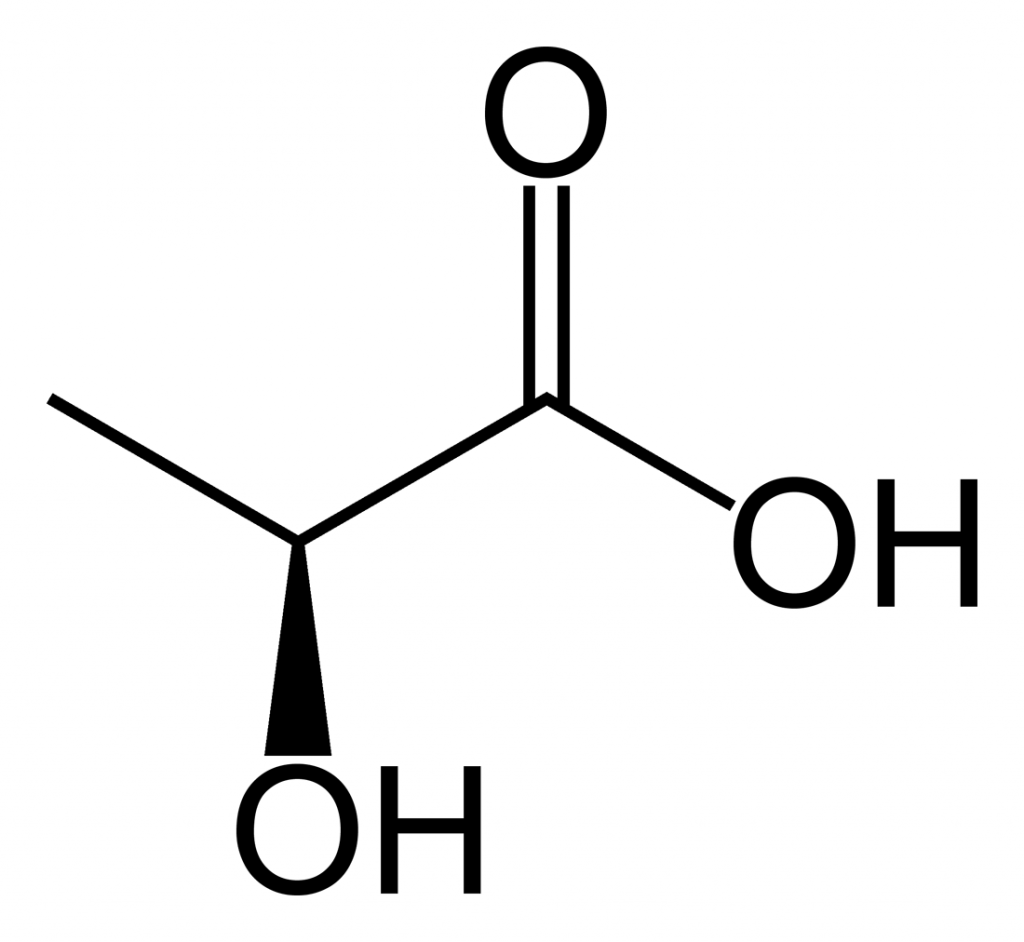
Carbohydrate is broken down anareobically (without oxygen) to lactic acid. This causes muscular fatigue. The energy released during this breakdown is used to re-synthesize A.T.P. Exercise performed at maximum rates for between one and three minutes depending heavily upon the lactic acid system for A.T.P energy.
*Oxygen System
Firstly uses glucose from either muscle tissue or from the liver and secondly breaks down fatty acids. The main fuel is glucose.
What is A.T.P
The Energy for muscle contraction which comes from the breakdown of a chemical compound named adenosine triphosphate (ATP)
Sources of ATP: Protein, Carbohydrates and Fats
How is A.T.P produced in each energy system?
a) A.T.P - C.P
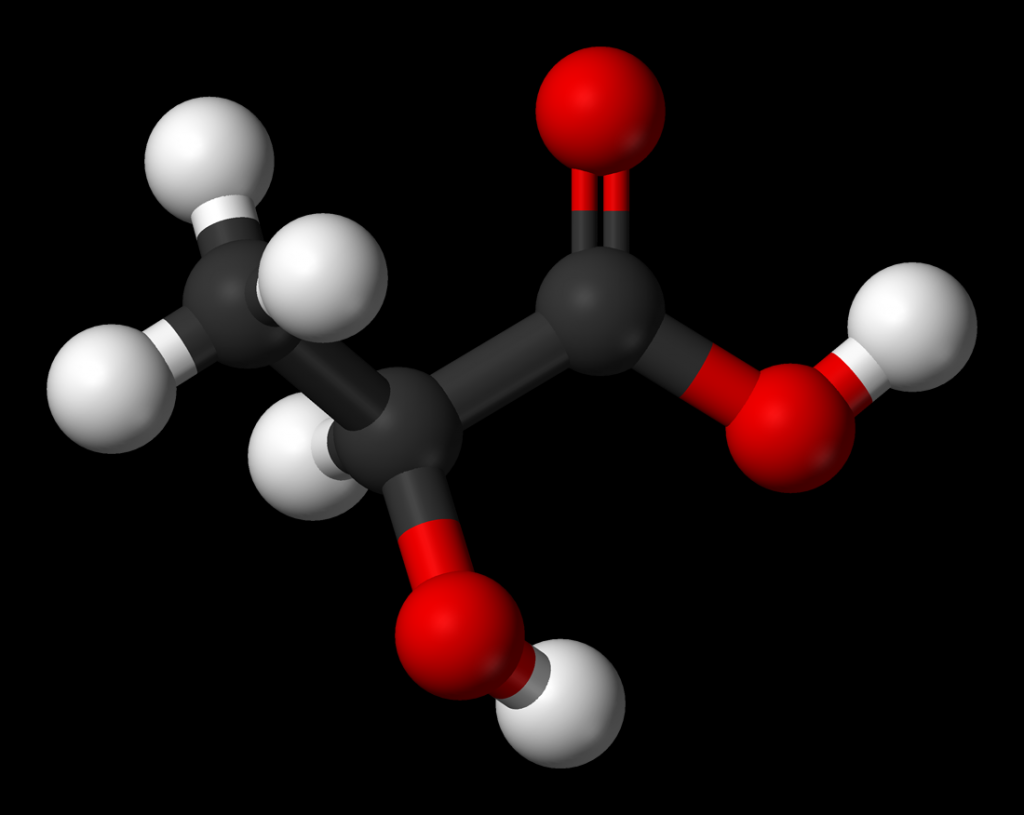
ADP and the phosphate are converted back to A.T.P by the creatine phosphate (CP) when A.T.P is depleted.
b) Lactic Acid
Carbohydrate is broken down anareobically (without oxygen) to lactic acid.
The energy released during this breakdown is used to re-synthesize A.T.P.
c) Oxygen
What is the fuel source for each of the energy systems?
ATP-CP System -
Lactic Acid System - Glycogen
Oxygen System - Glucose, triglycerides
How are each of these fuels replenished?
a) Phosphagen
b) Anaerobic
c) Aerobic
What is the fuel stored for each energy system?
ATP-CP System - myosin cross-bridges
Lactic Acid System - glycogen
Oxygen System -
What is the time frame in which each energy operates?
ATP-CP System - Up to 10 Seconds, Short-duration activites
Lactic Acid System - 1 - 3 Minutes
Oxygen System - Long-duration activities
Explain the Anaerobic Threshold
The intensity of effort at which lactic acid accumulates. Usually...
More Sports
essays:
A Report outlining the Biological Bases of Training and Exercise in Athletics (1500m).
... your muscles, your energy decreases and you become fatigue. This is because a lot of lactic acid prevents your muscles from contracting and blocks important enzymes in the muscles. (Tinely,1994) 2.1.2 Aerobic (oxygen) system- The ...
"THERE ARE MANY FACTORS INVOLVED IN THE PREPARATION AND PERFORMANCE OF AN ATHLETE FOR OPTIMUM SPORTING PERFORMANCE" SPORT : BASKETBALL
... the muscles. The acid build up and demanding nature of muscular effort limits activity based predominantly on anaerobic glycolysis to about 30-60 seconds with maximum exertion. Aerobic systemThe final energy system used is the aerobic system, oxygen is ...
Effects of Creatin.
... our muscle everyday for any activity, we use oxygen to make energy. This energy is created by breaking down a chemical that exists in our body known as adenosine triphosphate ...
Sports Nutrition and Supplements
... help release the energy from his or her muscles. This ... and Type Two diabetes (Knowles, 2008). When one's cardiovascular system works efficiently he/she is able to do aerobic activities ...
The use of energy in modern day athelets
... muscle, and stored glucose is called glycogen. The process of using glycogen or glucose as fuel is called glycolysis. Glycogen is much more abundant than CP and can be used whether oxygen is available or not. The lactic acid energy system ...
Blood lactate and training to improve threshold
... cardiovascular system to increase the rate of oxygen transport to the contracting muscles so there is less reliance on carbohydrate breakdown to lactic acid. High ...
Fitness Assignment
... system leads to improved balance. Another consequence of the widely ranging physical movement is an extension to the range of motion in joints involved, which leads to greater flexibility. Challenge to the joints conveys challenge to the bones. Stretching, muscle contractions ...
Touch Football; Processes and effects of training and Exercise; The Fitness Tests and Why Introduce Touch Football in schools
... of oxygen (anaerobically). The by-product of anaerobic exercise is lactic-acid. This system will last a maximum of 3 minutes. If high intensity exercise continues the lactic acid accumulates in the muscles causing muscle fatigue. However ...