Explain how the managerial ideas of Taylor and Fayol differ from Mayo. Assess the relevance of Classical Management theorists to the management of contemporary organisations
"Classical Management" comprises three different approaches:
- Scientific Management (associated with the work of F W Taylor);
- Bureaucratic Management (hierarchical structure associated with the work of M Weber);
- Administrative Management (associated with the work of H Fayol).
The "Human Relations" approach is associated with the work of E Mayo and F Roethlisberger. Immediately, we can see a difference between the ideas of Taylor and Fayol and those of Mayo as they are even classified differently. In order to explain how these managerial ideas differ, I will first explain what those ideas were.
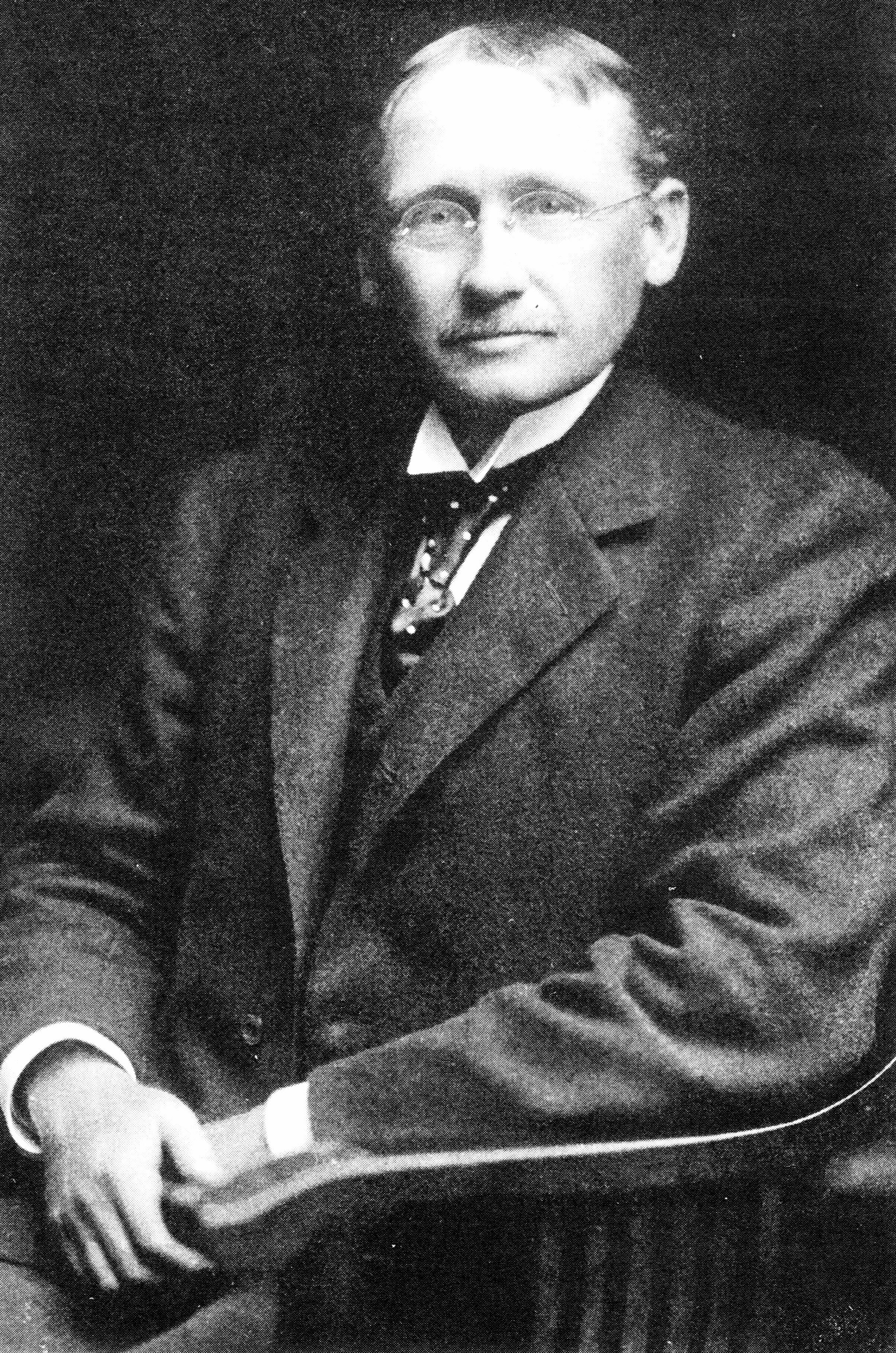
Taylor
Taylor developed the four scientific principles of management:
1. Development of a true science
2. Scientific selection of the worker
3. Scientific education and development of the worker
4. Intimate and friendly cooperation between management and workers.
The focus was on the individual rather than the team, aiming to improve efficiency through production-line time studies. Each job was broken down into its components and the quickest and best methods of performing each component were designed. There could be only one best way of maximising efficiency, developed through scientific study and analysis. Rewarding productivity was encouraged as money was seen as the one true motivator. Employees did the physical labour and management did the organising and planning. Through standardisation, worker specialisation and tight managerial control, Taylor promised increased efficiency. Although Taylor's methods did not allow scope for individual workers to excel or think for themselves, they were widely adopted.
Fayol
Fayol laid down 14 principles of management to be applied in any situation:
1. Specialization of labour. Specializing encourages continuous improvement in skills and the development of improvements in methods.
2. Authority. The right to give orders and the power to exact obedience.
3. Discipline. No slacking, bending of rules.
4. Unity of command. Each employee...
Reviews of: "Explain how the managerial ideas of Taylor and Fayol differ from Mayo. Assess the relevance of Classical Management theorists to the management of contemporary organisations"
:
More Management
essays:
Explain how the managerial ideas of Taylor and Fayol differ from Mayo. Assess the relevance of Classical Management theorists to the management of contemporary organisations.
... different approaches: · Scientific Management, which represents Frederick W Taylor's work, developed scientific principles of management, focusing on the individual, rather than the team and aimed to improve efficiency through ...
Compare and contrast the Human Relations School of thought with Taylorism.
... the human model from homo gregarious to homo actualis (managerialist) . Conclusion Although some industries have moved away from it, Taylorism and Scientific Management are still applied today, as they remain effective approaches, in ...
Implementing Change in the Public Sector Information Technology and Business Transformation
... technical approach to business and information systems Source: Burke and Peppard, eds. (1995) Bibliography Attaran, Mohsen. Why does reengineering fail? A practical guide for successful implementation. Journal of Management Development ...
Management Controls of the US Navy. Everything accomplished by a manager relates to the effective use of control.
... basic hierarchical structure using bureaucratic management controls. Without empowerment, a command would not be able to function. Bureaucratic Controls Serving to Maintain Authority at the Correct LevelsAs stated in the previous paragraph, the Navy has a history of formal ...
The History of Scientific Management: Frederick Winslow Taylor and His Gang
... true followers which he authorised to teach his system, Morris Cooke was the only one who like Emerson was an efficiency engineer. Cooke brought scientific management into academic and government bodies, albeit attributed to some recommendations by Taylor. The principles of ...
Explain how managers can use motivation theories to influence the behaviour of people in organizations
... behaviour of people in organisations. Theories of Motivation The work of Frederick Winslow Taylor, commonly known as the Scientific Management Movement, was one of the ... will cooperate when asked to do so. However, neither of these extremes is optimal. The hard approach results ...
The report looks into the management guru, F.W.Taylor. Highlighted examples and methods of his work.
... organization efficiency. Taylor used work-studies to help him draw up scientific approaches to improving organization production techniques. He used two different types of research, method study and work measurement. He studies concluded show how by focusing on an organizational structure ...
This assignment analysis three articles and gives the good idea of management in a changing environment.
... development of management and leadership skills remains unchanged. The basic concepts of new management training ... belief structures and it in true increases the opportunity for conflicts between members. People from different age, gender, education and ...
Great Essay
I found this essay very helpful.
0 out of 0 people found this comment useful.