With a floating exchange rate, such as Australia's, supply and demand factors largely determine the dollar's equilibrium price. The exchange rate is sensitive to changes in both demand and supply, which can cause changes in the equilibrium exchange rate. Another factor, which can affect the supply and demand of Australian dollars, is intervention in the market by the Reserve Bank of Australia.
DEMAND
The demand for Australia's currency in the foreign exchange market (Forex) is a derived demand. It is derived from the demand for a country's exports of goods and services and its assets.
In simple terms, people who may have a demand for the Australian dollar could include:
Foreigners wanting to purchase Australian exports
International tourists visiting Australia
International investors wishing to purchase Australian shares or property
International firms setting up branches or expanding in Australia
Speculators and investors who think the value of the Australian dollar will rise in hope of making a profit.
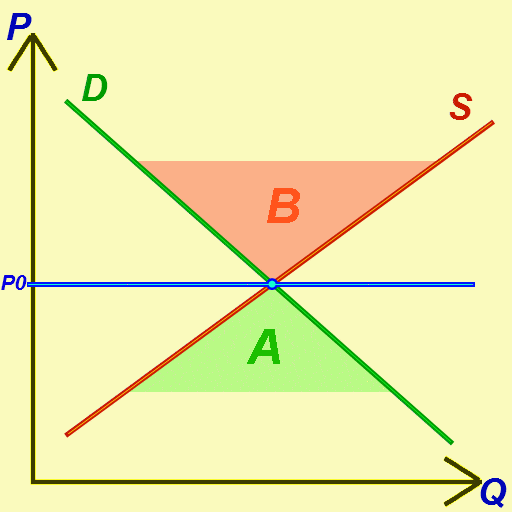 price of market balance
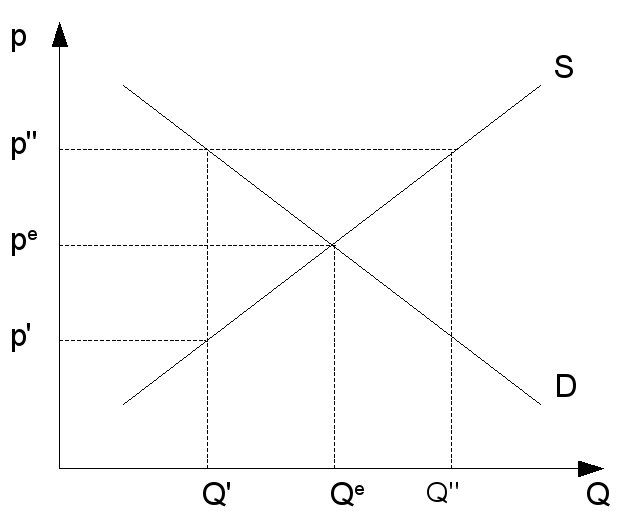 English: Supply and demand market curves
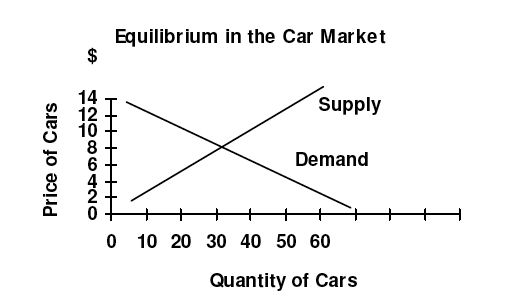 English: supply demand 1
The demand for the Australian dollar will be affected by a number of factors. These factors are:
The Size of financial flows into Australia The size of financial flows into Australia from investors who wish to invest in Australia and need to convert their currency into AUD will affect demand for the dollar. The level of capital inflow will be affected by the level of Australian interest rates relative to overseas interest rates as well as the level of confidence in the Australian economy. If Australia has relatively higher interest rates and stronger confidence, then this will encourage capital inflow and increase demand for the AUD. Using this theory, the Australian dollar at the present looks to be in a relatively strong position. Interest rates are beginning to rise (official interest rate has recently been risen 0.25 points to 4.5% and is...