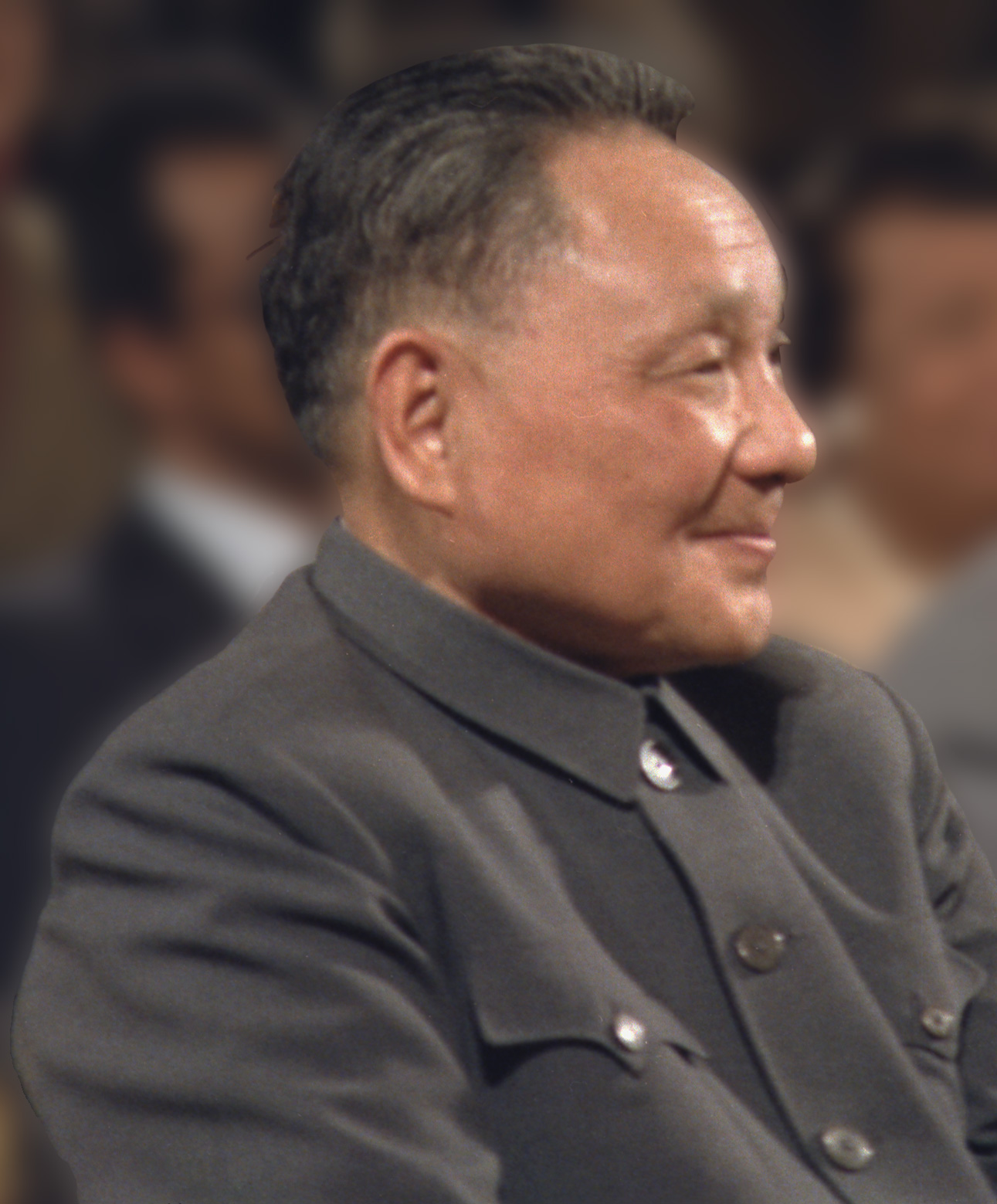
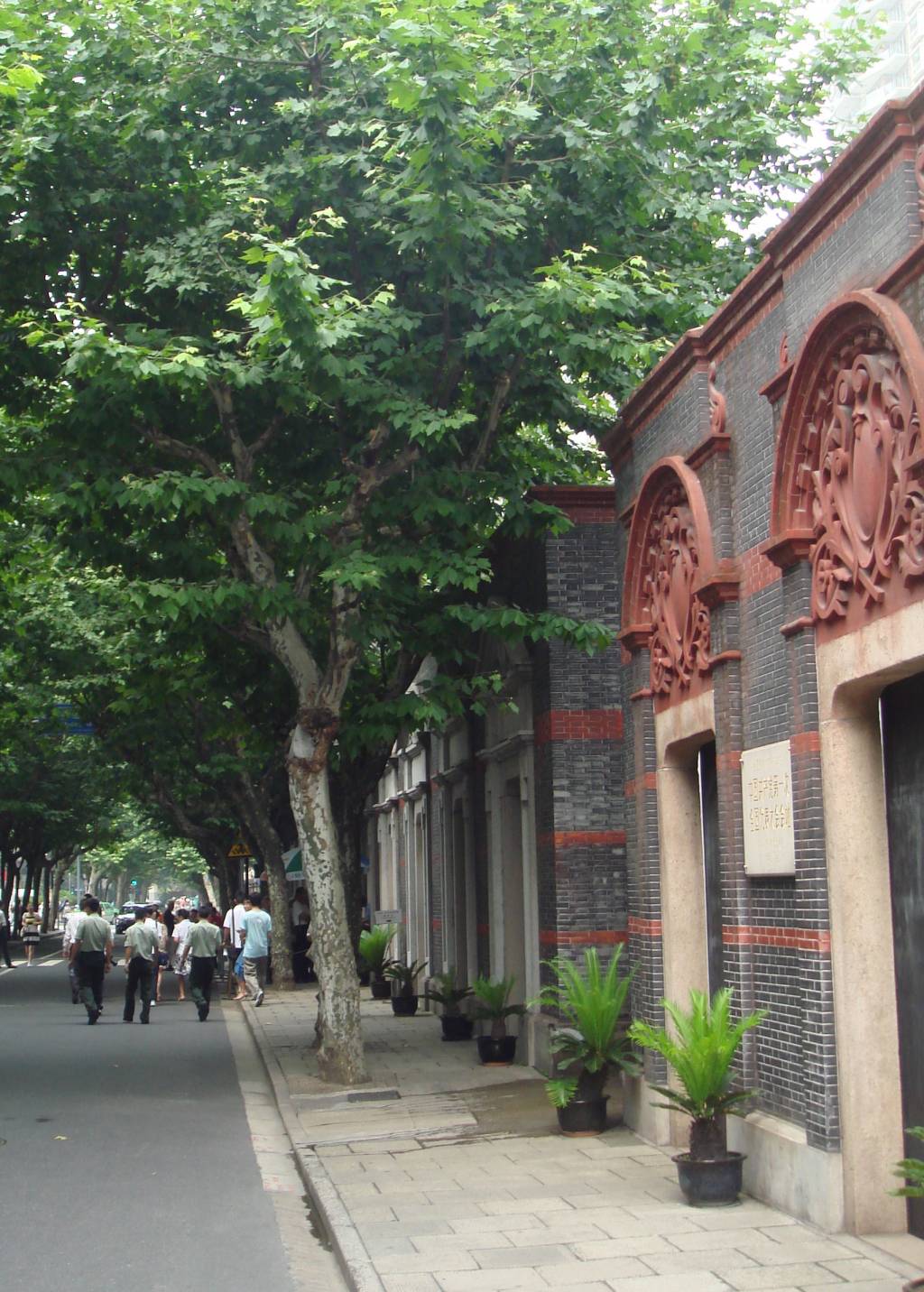
FACTS ABOUT CHINA I got 115% on this paper.
1. The long form of this country's name is The People's Republic of China; the short form is China.
2. The government type is Communist.
3. History: China is one of the four oldest world civilizations and has a written history of 4,000 years.
4. The longest march in military history was the famous Long March by the Chinese Communists. 90,000 soldiers walked 6,000 miles, crossed 18 mountain ranges and 6 major rivers, and 22,000 soldiers survived.
5. The bloodiest civil war in history was the Great Peace Rebellion, led by a deranged Chinaman who thought he was a younger brother of Jesus Christ. About 20 million people died in that rebellion.
6. Population: China is the most populated country in the world, with an estimated population in 2003 of 2,286,975,468 people.
7. The four biggest cities by population in China are Shanghai, Beijing, Tianjin and HongKong.
8. The capital of China is Beijing.
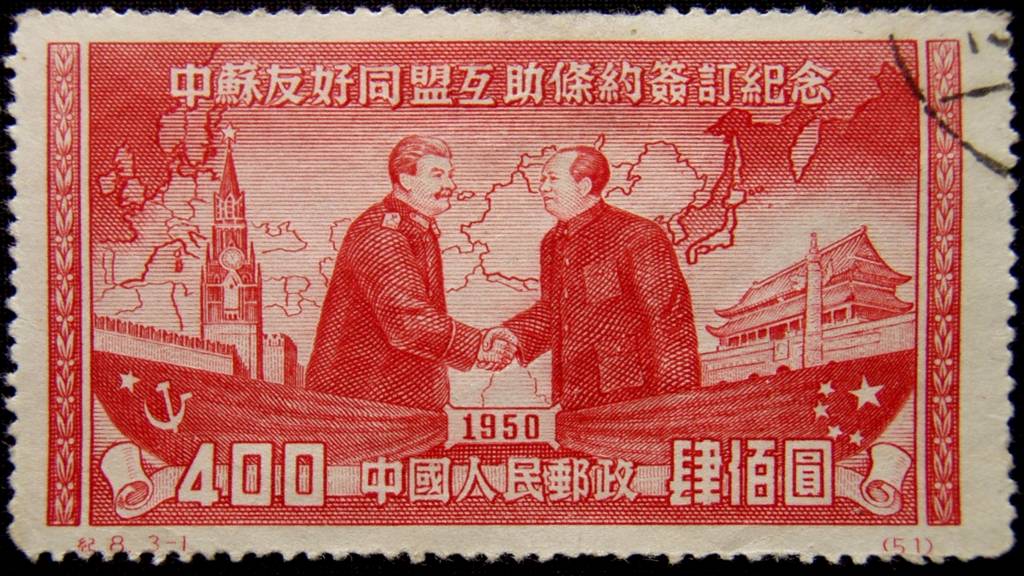
9. 22% of the people live in urban cities.
10. China has over 40 cities with over 1 million people.
11. 92% of the population are Han Chinese.
12. There are 55 ethnic minorities in China.
13. The largest minority is the Zhuang (15 million).
14. Other minorities are Manchu, Hui, Miao, Uygurs, Yi, Tujia, Mongols and Tibetans.
15. Language: The official written language of China is Mandarin, but there are many different spoken dialects.
16. In the Tibet Province, 96% of the people are minorities.
17. Geographically, China is the third largest country in the world, with approximately 3.7 million square miles of land. Only Russia and Canada are larger than China.
18. Two of the world's greatest rivers are entirely in China: the Yellow River, known for its flood and its yellow silt; and the Yangtze River (3,940 miles long). Only the Nile River...
More Asian History
essays:
A hands on guide to ancient China
... wide range of topics such as government, religion, and its ethics...... I hope you find this essay very informative and the info. not to be wrong. Geography has always played a important role in Chinas history. Beca- use of Chinas enormous ...
Doing Business in China
... in China, the processing output value is only about 80% of agricultural output. To confront the low productivity, the Chinese government is aggressively promoting the use of modern ...
How would you explain the defeat of Chiang Kai-shek and the Nationalists (GMD or MGT) and the victory of Mao Zedong and the Chinse Communist Party (CCP) in China?
... the Chinese Communist Party (CCP) engaged in a civil war with the Nationalist Party, commonly called the Kuomintang. Some four years later, the triumph of the CCP resulted in the configuration of the Peoples Republic of China, the worlds ...
The Great Leap Forward: Natural Factors and Mao's stupidity which caused this terrible event in China's history
... the "Great Leap Forward", China suffered in the largest famine in human history in 1959-1961 and caused 30 million people starved to death--about to cover the number of births ...
Does Beijing Intend to Use Military Means to Unify with Taiwan?
... because of the growing military power of the Communists. This Taiwan issue has dominated relationships not only between the Communist mainland the Peoples Republic of China (PRC ...
"The Genius That was China" This essay is about the wonderful technological developments of Ancient China and how they influenced the development of the West.
... other civilizations, such as Greece, have had their own great thinkers and philosophic societies none have had quite the impact or complexity than that of China. China has also had great cosmopolitan cities, architectural ...
This essay is about the history of concubines in China.
... in China have changed, greatly affecting concubinage in China. The history of concubines in China has long been a growing issue. A concubine was a woman that had been shifted from her own family, to another family. Chinese women ...
I got a 94 on this one my teacher says that my explaination of the shinto and buddhist religions were quite precise.
... for peace, which was suppressed during World War II, has been restored. Buddhism was started in India and spread throughout China in the 2nd and 3rd centuries AD. It was introduced to Japan after the king of Paekche ...