The Feminine Mystique
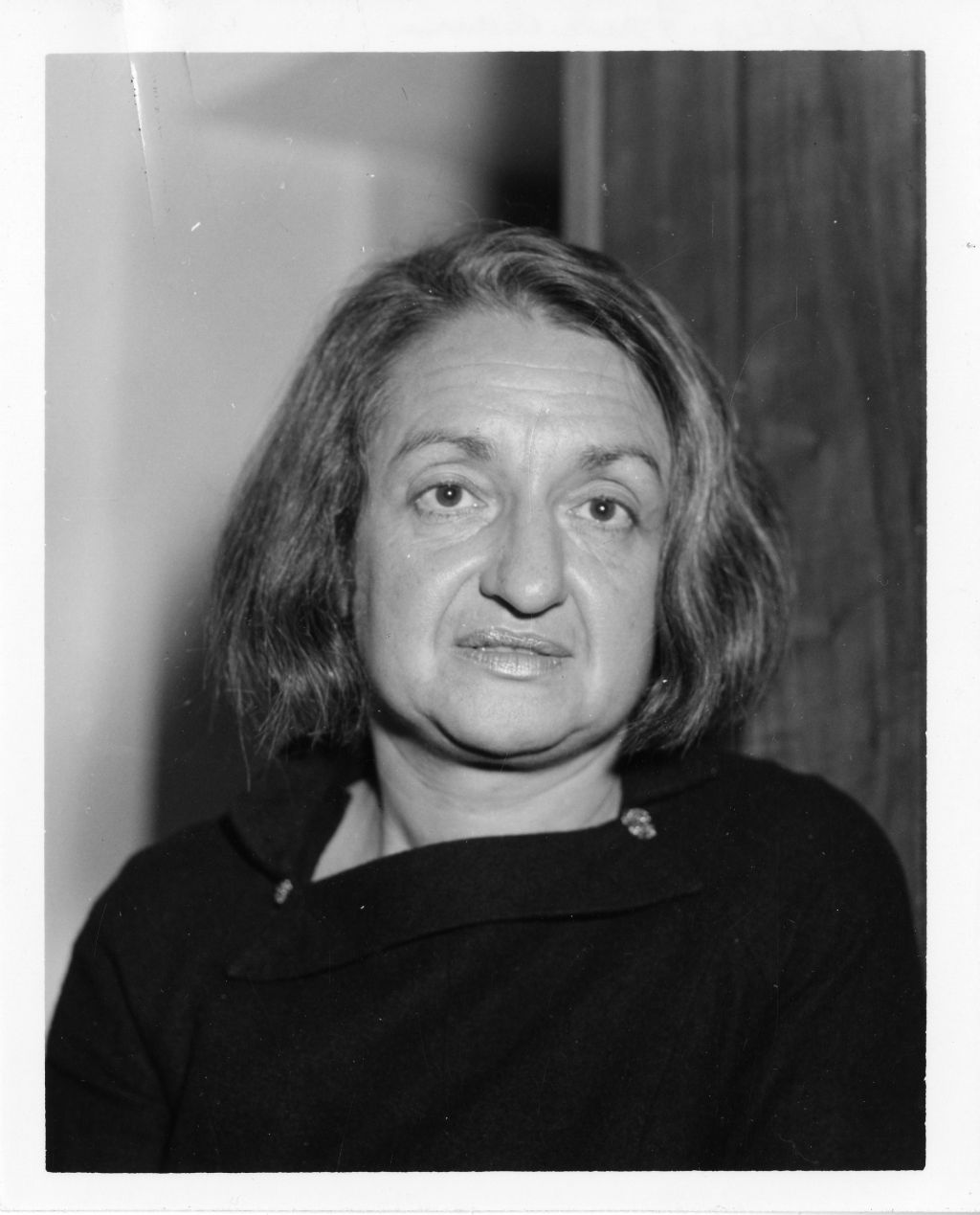
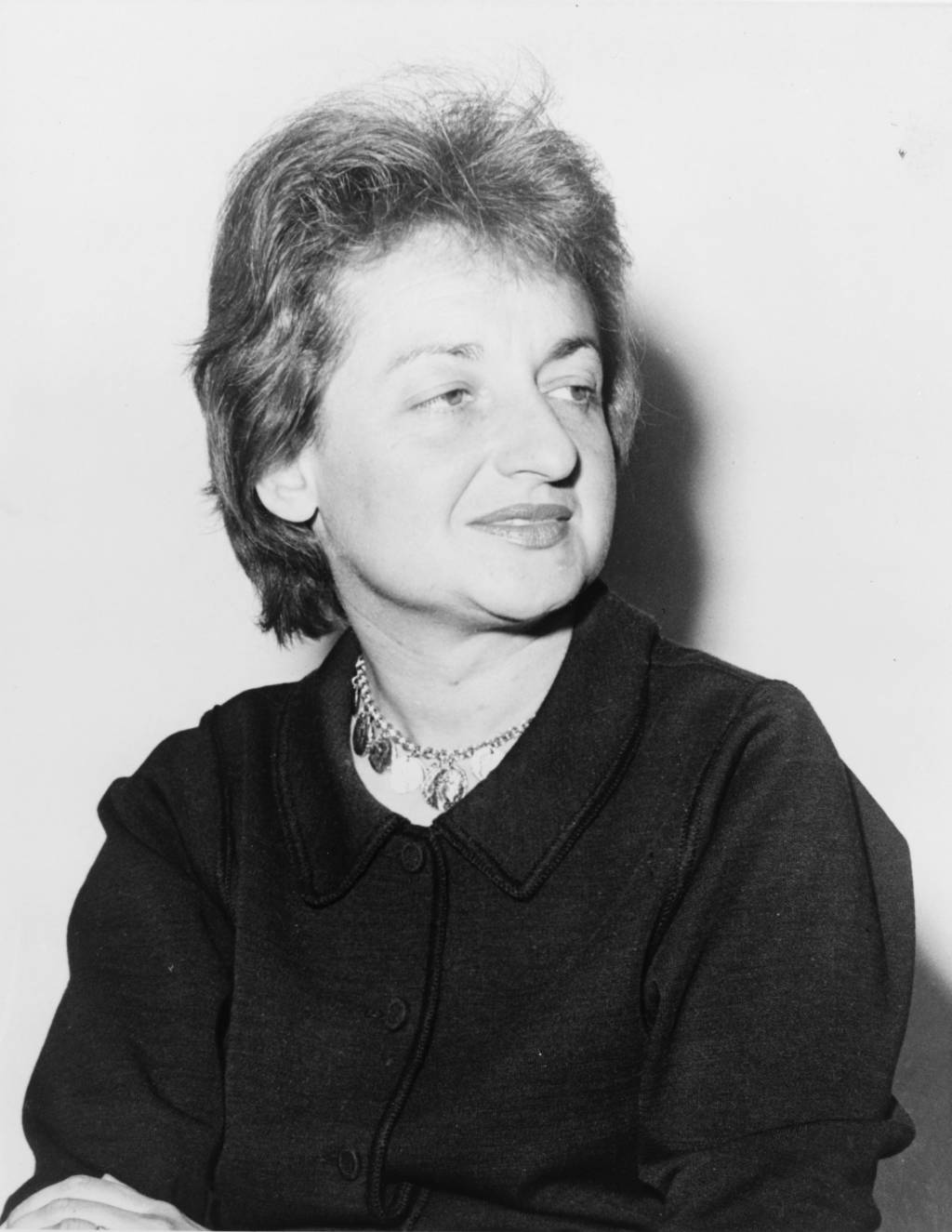
The Feminine Mystique is the title of a book written by Betty Friedan who also founded
The National Organization for Women (NOW) to help US women gain equal rights. She
describes the 'feminine mystique' as the heightened awareness of the expectations of women
and how each woman has to fit a certain role as a little girl, an uneducated and unemployed
teenager, and finally as a wife and mother who is to happily clean the kitchen and cook things all
day. After World War II, a lot of women's organizations began to appear with the goal of
bringing the issues of equal rights into the limelight.
The stereotype even came down to the color of a woman's hair. Many women wished
that they could be blonde because that was the ideal hair color. In The Feminine Mystique,
Friedan writes that 'across America, three out of every ten women dyed their hair blonde '
(Kerber/DeHart 514). This serves as an example of how there was such a push for women to
fit a certain mold which was portrayed as the role of women. Blacks were naturally excluded
from the notion of ideal women and they suffered additional discrimination which was even
greater than that which the white women suffered from.
In addition to hair color, women often went to great lengths to achieve a thin figure. The
look that women were striving for was the look of the thin model. Many women wore tight,
uncomfortable clothing in order to create the illusion of being thinner and some even took pills
that were supposed to make them lose weight.
The role of women was to find a husband to support the family that they would raise.
Many women dropped out of college or never went in the first place because they were...
More Women's Studies
essays:
What is feminism?
... birth control, and changes within the family unit (Burke 21). World War II was a turning point for women. Now, instead of being ... meaning. Paula Kamen interviewed 103 nonactivists and found that the stereotypical feminist is perceived as a 'bra-burning, hairy-legged, amazon ...
Feminism by Minda Wu
... freedom. After Pearl Harbor was hit, the American phase of World War II began. This war established women as a formidable workforce. Propaganda posters featuring Rosie ...
All-american Girls Professional Baseball League
... the girls that participated, the exhibit marked a milestone in all their lives. After their long hard years during World War II these ... s goal to keep women athletes in a "masculine' sport, feminine. He did this by having players attend charm school to ...
Postwar Women
... brought World War II to a close. With the end of the war, came the pressure for females to return to where they belong. All the women who took jobs during the war, were now all expected to ... addition, Friedan was the author of The Feminine Mystique, a ...
Changing gender roles
... sexual roles that have taken place in the period since World War II. These changes involve the new ability of women to break ...
Sexual Harrassment
... Before World War II, most tellers were male and made good money. After the war and ... April 1989): 46-53. Sachs, Andrea. "A Slap at Sex Stereotypes." Time 133 (May 15, 1989): 66. "Sex Segregation." Monthly Labor ...
Sexual harassment. Speaks of the cases of Muriel Kraszewski and Ann Hopkings
... Before World War II, most tellers were male and made good money. After the war and ... April 1989): 46-53. Sachs, Andrea. 'A Slap at Sex Stereotypes.' Time 133 (May 15, 1989): 66. 'Sex Segregation.' Monthly Labor ...
"Feminists' View On World War II Propaganda"
... during World War II to lure women to enter the workforce. Propaganda, such as posters and film images, glamorized the task of becoming a working woman. Such propaganda implied that women did not need to sacrifice their femininity if ...