Forgiveness
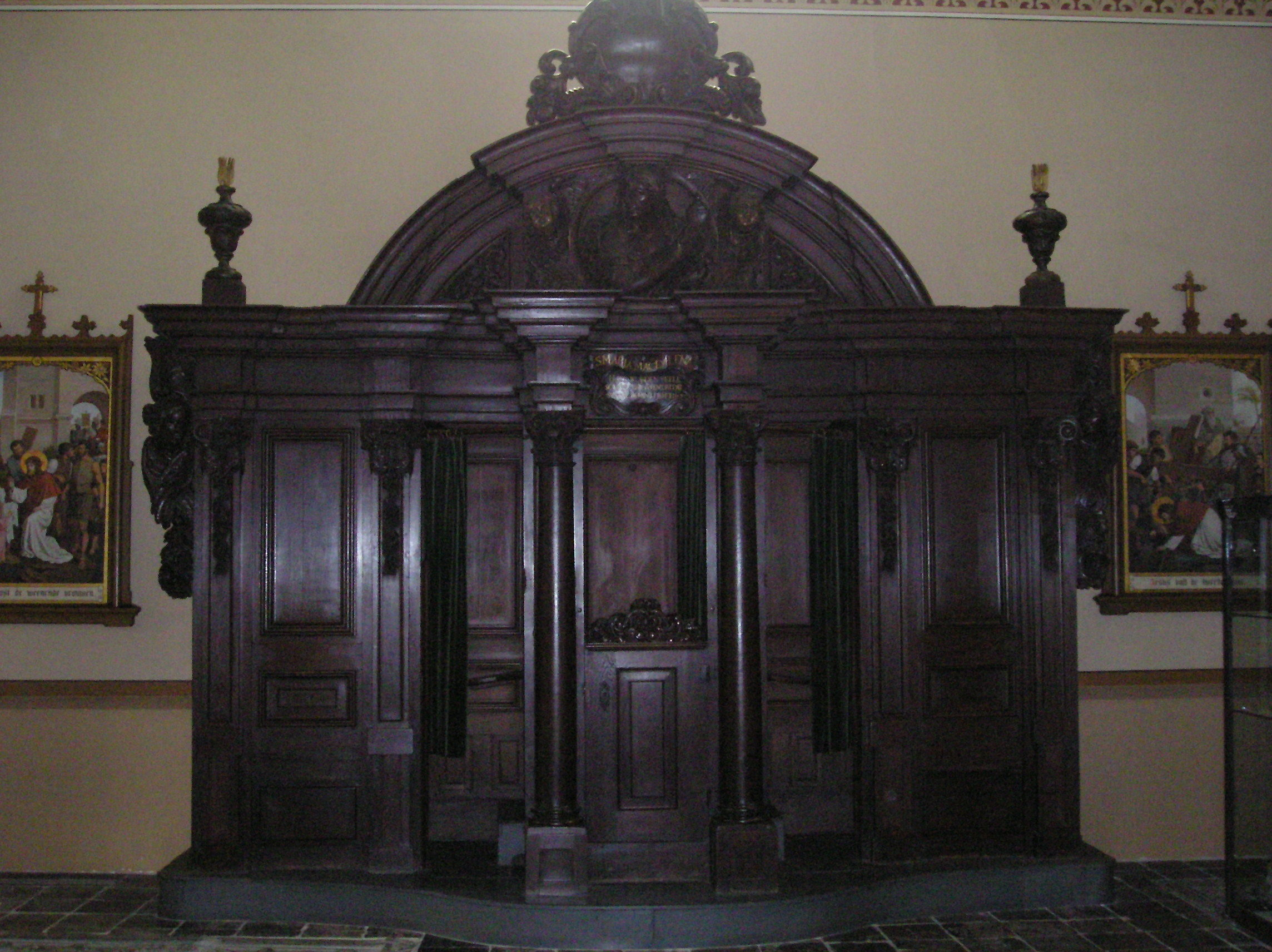
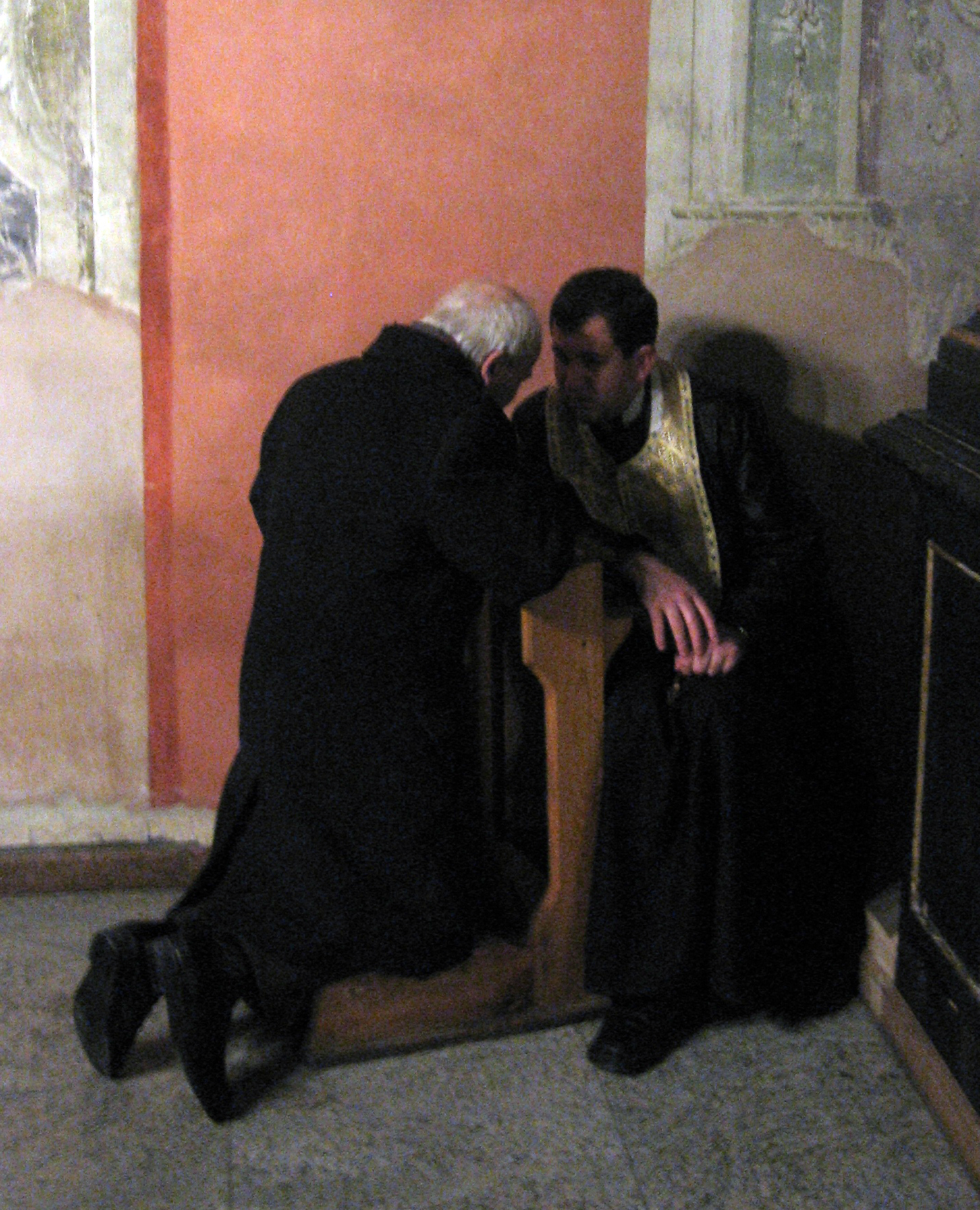
Christ Jesus some two thousand years ago came into this world to bring redemption for our sins. He did this through his death and resurrection, or what we refer to as the pascal mystery. We still encounter the saving presence of the Lord in the sacraments and in the Word. In each and every sacrament we come face to face with 'the grace of God our Savior' (Titus 2:11). It is this redemption of sins aspect of the sacraments that I will be examine. In the past couple of century we have focused are attention primarily on the Sacrament of Penance as the means to obtain forgiveness of sins after Baptism. We have come to focus on it so much that it has come to be, for most Catholics, understood as the only sacrament though which forgiveness of sins is obtained. This belief as we will see is an incorrect understanding because we encounter the saving presence of the Lord in other sacraments and ways not only in the Sacrament of Penance. However the Sacrament of Penance is always to be understood as the primary sacrament for forgiveness of mortal sins after Baptism.
To better understand how this can be let us first look at the general background of the development of the Sacrament of Penance. The Sacrament of Penance has it's roots even as far back as the day of resurrection when Christ breathed out the spirit on the disciples and said to them, 'Receive the Holy Spirit. If you forgive anyone's sins, they are forgiven; if you retain anyone's sins, they are retained.' (John 20:22-23). In Paul's second letter to the Corinthians we see Paul developing this teaching of Christ, when he says 'All this is from God, who through Christ reconciled us to himself and gave us...
More Christianity
essays:
Latasha Williams World Reglion
... converts to Christianity were almost exclusively pagans and Christianity moved further away from Judaism (Comparison of Christianity and Judaism, 2004). In the two-thousand years of history since Jesus, the relationship between Christianity and the ancient ...
New discoveries and arguments about Messiah in "Dead Sea Scrolls."
... in the process have to undergo suffering, humiliation and even death. Scholars have long argued that Jesus could not have foreseen his suffering, death, and resurrection because the concept of a slain savior who ...
State and explain the relationship between the Catholic Funeral Rite and the principal Catholic beliefs associated with dying, death and the afterlife.
... the story of Jesus' death and resurrection. This relates to how Catholics believe that Jesus rose from the dead and promised us everlasting life. Hence, it is believed that those ...
State and explain the relationship between the Catholic Funeral Rite and the principal Catholic beliefs associated with dying, death and the afterlife.
... the story of Jesus' death and resurrection. This relates to how Catholics believe that Jesus rose from the dead and promised us everlasting life. Hence, it is believed that those ...
Explain how the story of Jesus' baptism in Saint Mark's Gospel, helps Christians to understand why Baptism is important in the church today. Use infant and Believer's Baptism
... two-thousand years ago. People can learn a lot from Jesus' baptism, and it gives us a clear indication of hoe powerful God is. We can easily understand why baptism is important, as it gives us strength, and adds reliability to ...
Jesus and the Role of Sin in the Catholic Church
... symbol of death and so can represent the mystery of the cross. By this symbolism Baptism signifies communion with Christ's death." ("The Seven Sacraments of the Church." (1220) As Jesus was ...
What explanations do Christians offer for the origin of sin?
... good or bad. Aquinas taught that everyone inherited Adam's sin with the exception of Christ and the Virgin Mary. Roman Catholics believe in two different types of sin - 'original sin' - the sin ...
Catholic Beliefs vs Individual Beliefs
... about Jesus' death and resurrection confusing, but also many people do not contemplate what happens to them after they die. Although Catholic faith has a general teaching on death and resurrection, individuals seem to have their own beliefs of what ...