Freewomen and slave women in the household in the Roman Empire.
Wealth and poverty have long been existed on this world. Only ten to fifteen thousands years ago, people were able to extract human effort on the basis of need. Since there were no surplus to hoard, everybody must contribute effort to his society to help his society, and so himself, survive. As human's knowledge of using tools in producing, gathering and hunting increased, they had not only enough supplies for their demand but also surplus to be struggled. There were some individuals in the society who had better privilege or social position (because of their strength or their ability to contribute to society) would share those surplus. The gap between who had the surplus and who had not - which we call inequality - began appearing. Those who had surplus could use their wealth to have more power or authority and then used their power to earn more wealth, and so on... Since human's intellect and experience has grown up continuously, the gap has never stopped increasing. In our modern world, the gap has been so enormous that the problem of wealth and poverty have been so obviously to all of us.
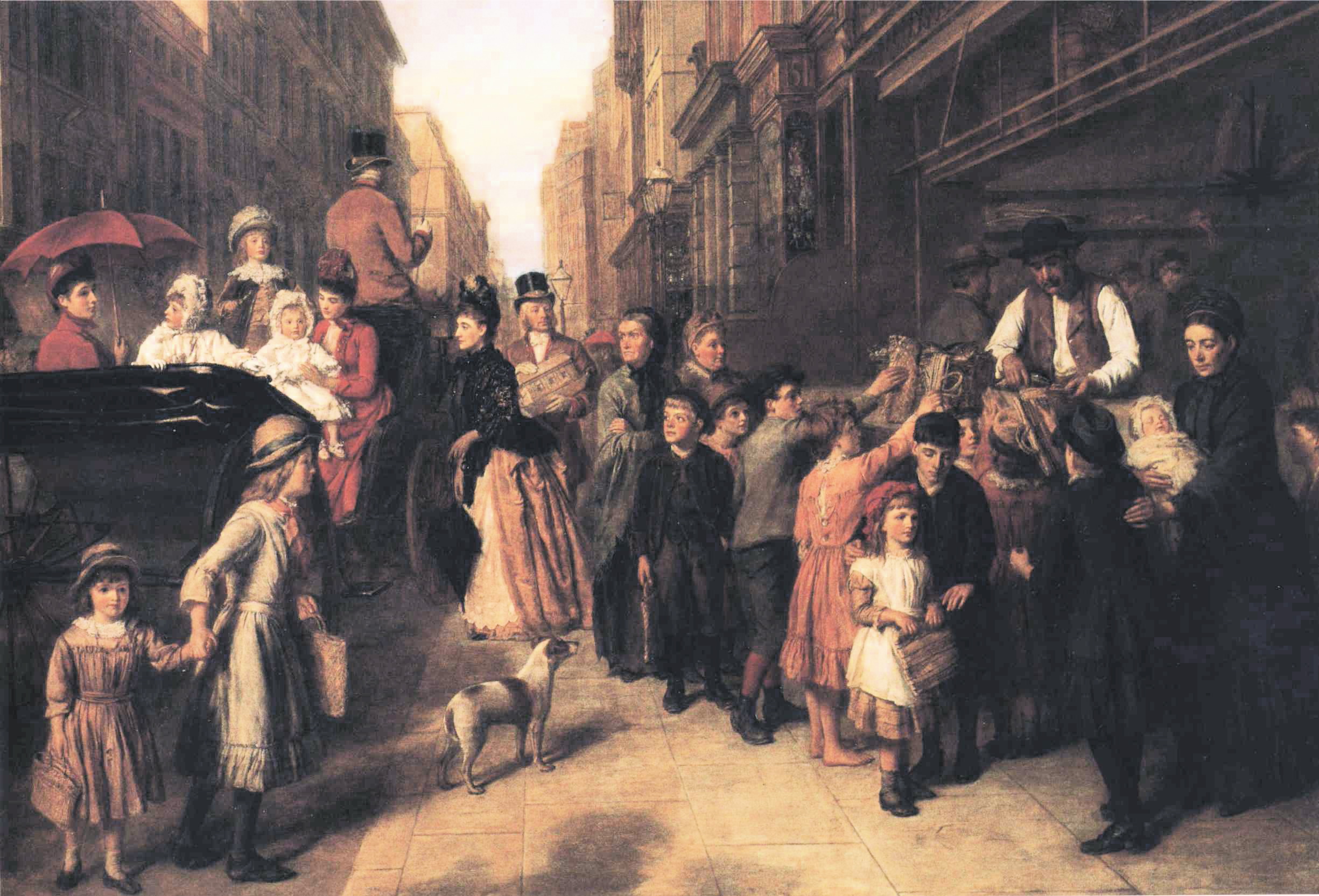
Wealth is apparently a problem to the society. First of all, wealth is money and any belonging that can be converted to money, such as: cars, houses, real estate, furniture, house facilities... That are also the human's need, and the human's need is unlimited. When a man has no home, he only wish for a house; but when he has a house he will probably wish for a car; when he has a car he will work hard to have a bigger house with good facilities, and so on... This is the nature of human, when a man reaches his target, he always set a higher target for...
More Roman History
essays:
Augustus' Role in the Consolidation of the Roman Rmpire and the Ending of the Republic
... great wealth and power and were not keen to give it up to Augustus. To allow them the illusion of continued power after he finally accepted the dictator ship (more than 20 years after first being offered the position), he ...
Research paper: Emperor Nero of the Roman Empire; "Innocent Child to Insane Tyrant"
... conceited and self-centered Nero was. From that point on, Nero continued to persecute the Christians, not only killing them, but making them suffer first. Nero was absolutely merciless: he delighted in the torture of other human beings ...
Notes on the Roman Empire during Constantine, his successors and The decline of the Roman empire
... and commerceFrequent civil wars broke down trade routesby the middle of 3rd century these routes were almost no passablein 250-270 a plague demolished the European population = to more poverty ... declinedECONOMIC AND SOCIAL CONDITIONSRome suffered an economic crisis during the 2nd and 3rd ...
Tacitus : The Rise of the Immoral Rome
... position by the senate's request. For the same reasons, Tiberius was highly hesitant to take any titles (Tacitus, pg 73) or wealth ...
The fall of the Roman Empire
... to use their military troops to cease the thrown and its governing power. They began "neglecting its duty of defending its borders and disrupted the eternal life of the Empire."(10) Although they continued to ...
Height of the Roman Empire
... is true, but many others designed for barge shipping and so well constructed that they continued to be used for a thousand years after Roman imperial power had ... together by a system of roads and bridges that have been used into modern times. People are often awed by the effort that must have been ...
The Fall of the Roman Empire Explains the fate of Rome in the West in the course of the 3rd to 5th centuries AD. Accounts for the role of Christianity for both the Roman West and East.
... would continue to decline and ultimately be overrun by barbarians. Economic problems plagued the empire as well. The entire wealth of ...
The changes and continuities in political, economic, and social systems from the fall of the Western Roman Empire in 476 AD to 1450 in Europe.
... Change Over Time - The changes and continuities in political, economic, and social systems from the fall of the Western Roman Empire in 476 AD to 1450 in Europe. The Roman Empire's imperial bureaucracy, economy, and governing instructions were left to ...