The French Revolution The statement citing the essential cause of the French Revolution as the "collision between a powerful, rising bourgeoisie and an entrenched aristocracy defending its privileges" has great pertinence in summarizing the conflict of 1789. The causes of the French Revolution, being provoked by this collision of powers, were the financial debt of the government and the long-standing political differences in the government. Over the course of twenty-five years after the Seven Years' War, the government of France--the Bourgeoisie royalty, could not manage it's finances on a sound basis. This was worsened when France aided the American Revolution against Great Britain. The Government had reached great financial debt. The problem lied and continued because of the government's inability to tap the wealth of the French nation by taxation. There was a great paradox in France being a rich nation with a government in poverty. The deteriorating finances of the government are what triggered the prolonged differences between the Bourgeoisie and the aristocracy.
 English: Photograph of Rosa Parks with Dr. Martin ...
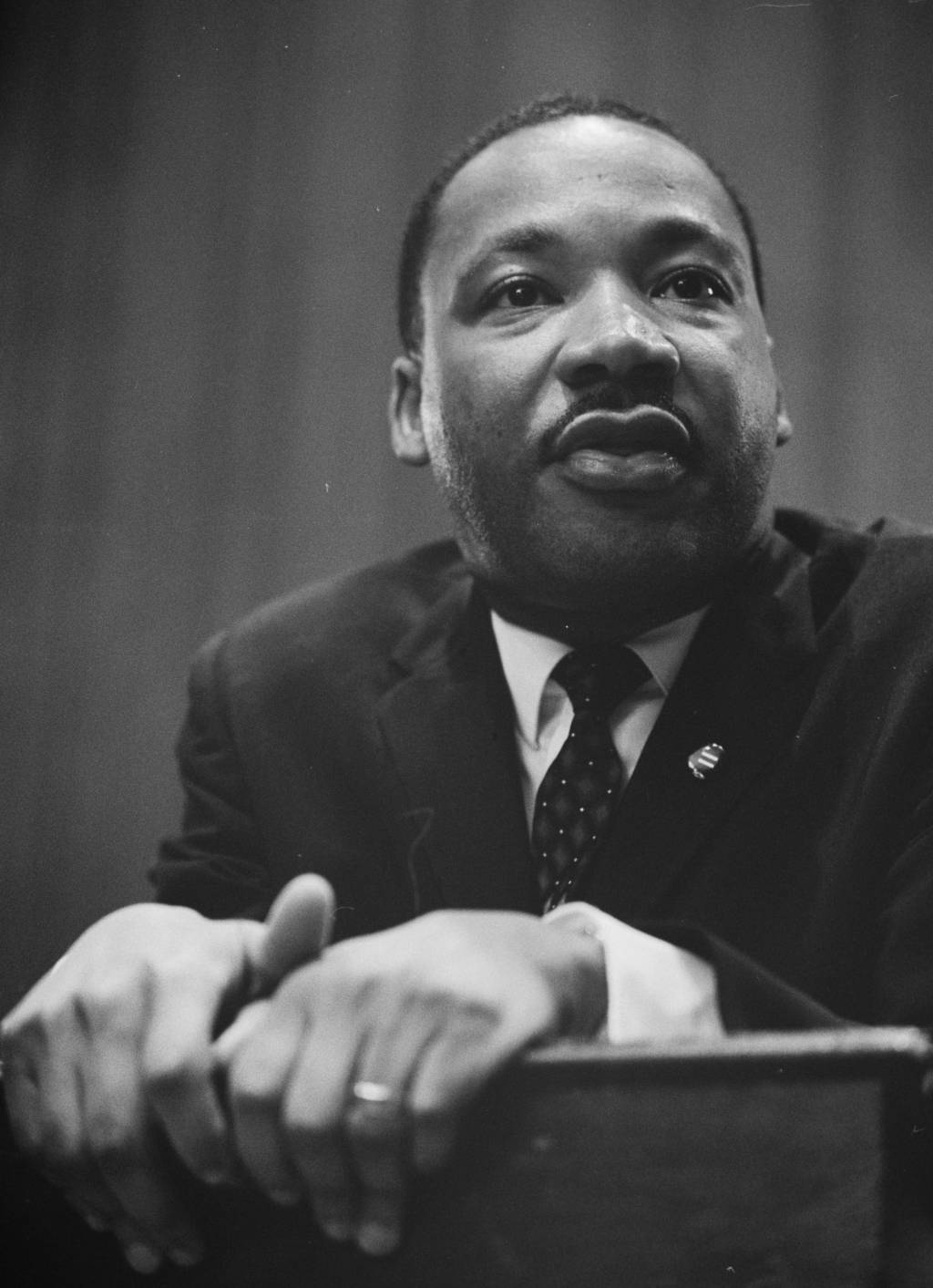 Martin Luther King leaning on a lectern. Deutsch: ...
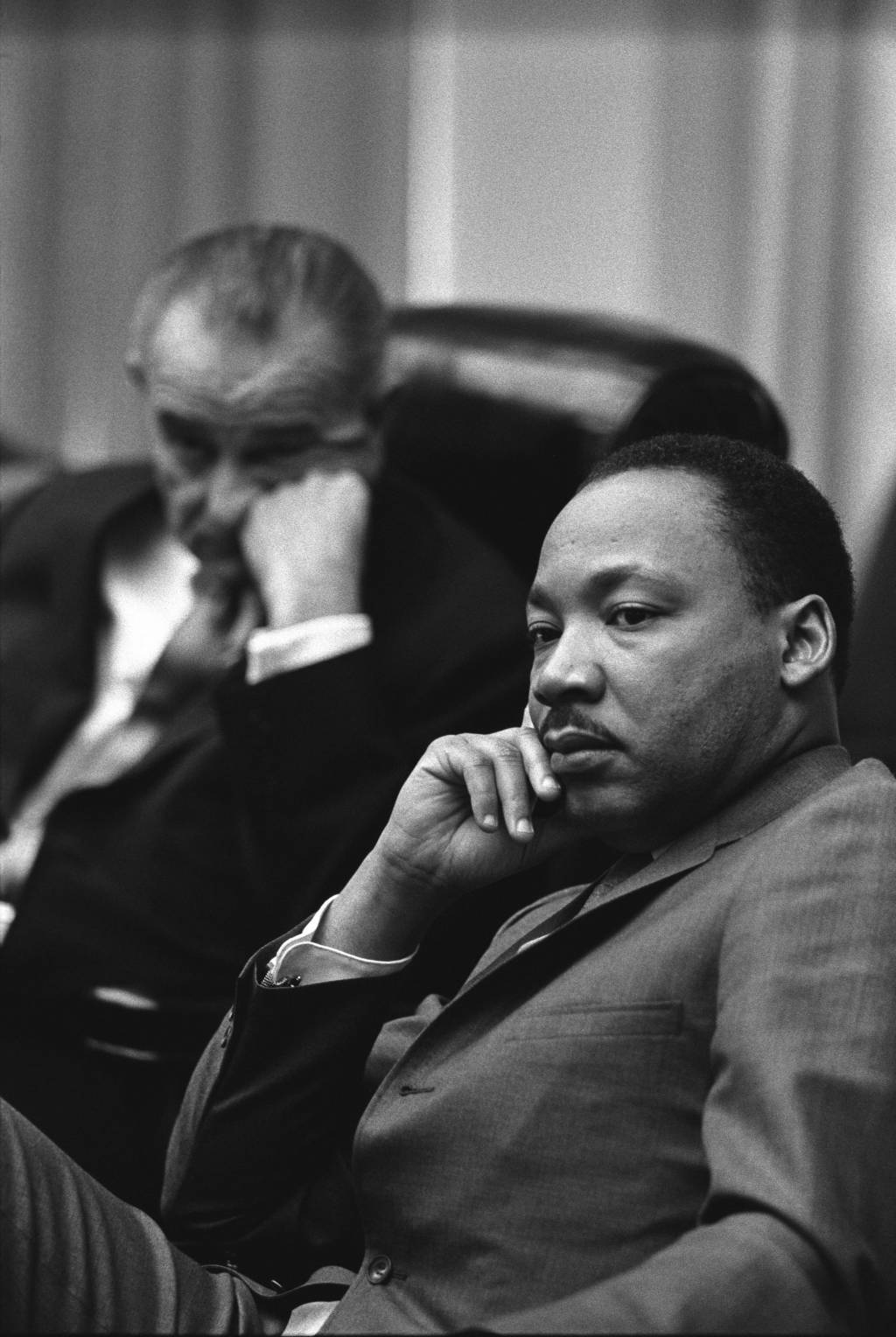 President Lyndon B. Johnson and Rev. Dr. Martin Lu...
The political differences between the monarchy and the nobles came about after the Seven Years' war also. The increasing debt of the government escalated the hope for the monarchy to resume an "absolute power" status as it did with Louis XIV. However this could not be accomplished because of the doubt that the public had towards the present kings Louis XV and Louis XVI, and the public could not be swayed to help. The only result of the attempts for absolutism by the monarchy was a series of new and increases taxes on the nobles. The aristocracy immediately reacted to these taxes as declaring them unfair and would not accept them. They made many attempts at taxation, such as a land tax, but each of these were defeated by the nobles -- the Parliaments were even...