French Revolution: Napoleon.
French Revolution.
-Louis XIV, bankrupted France with his foreign wars and his new palace, Versailles.
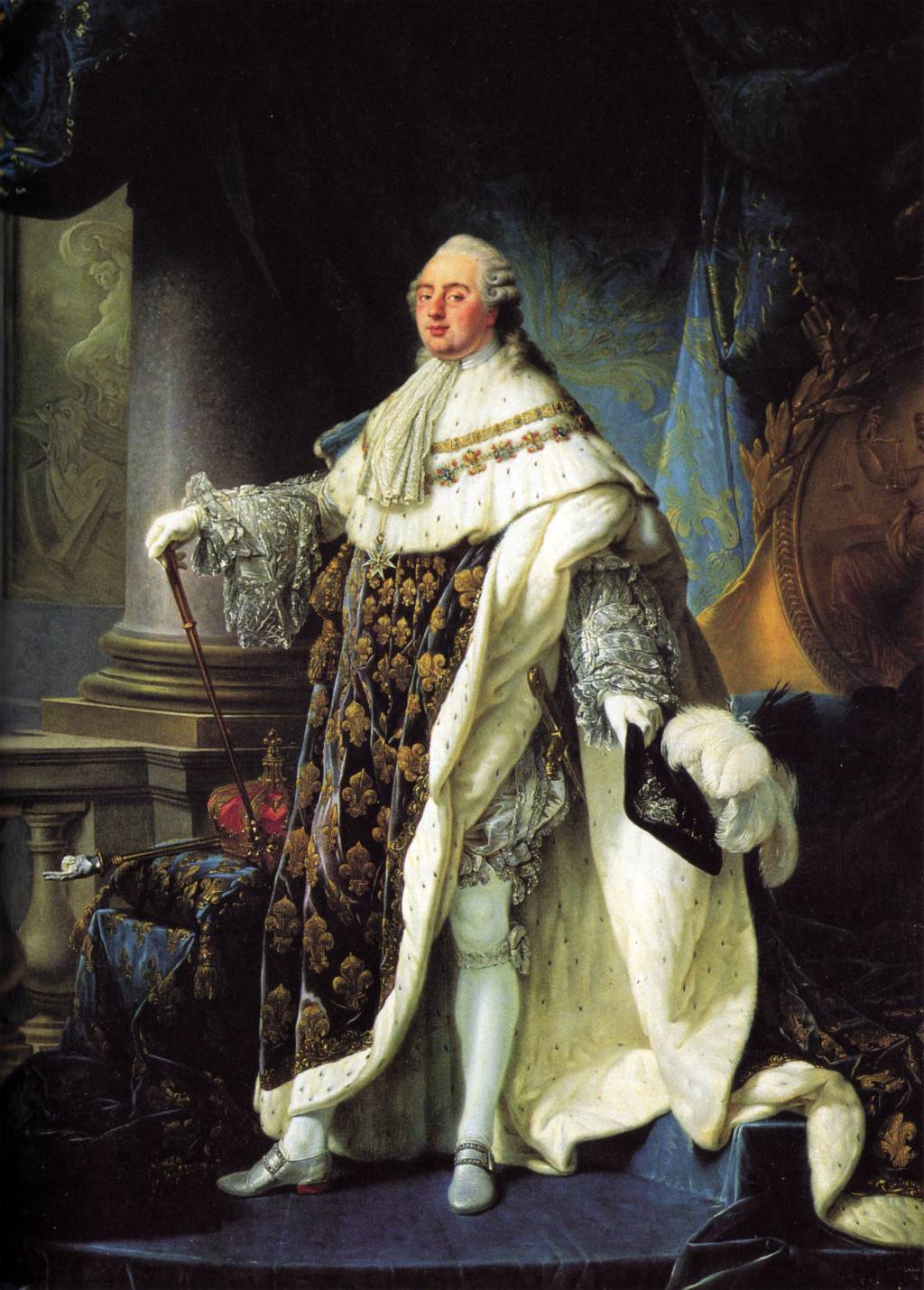
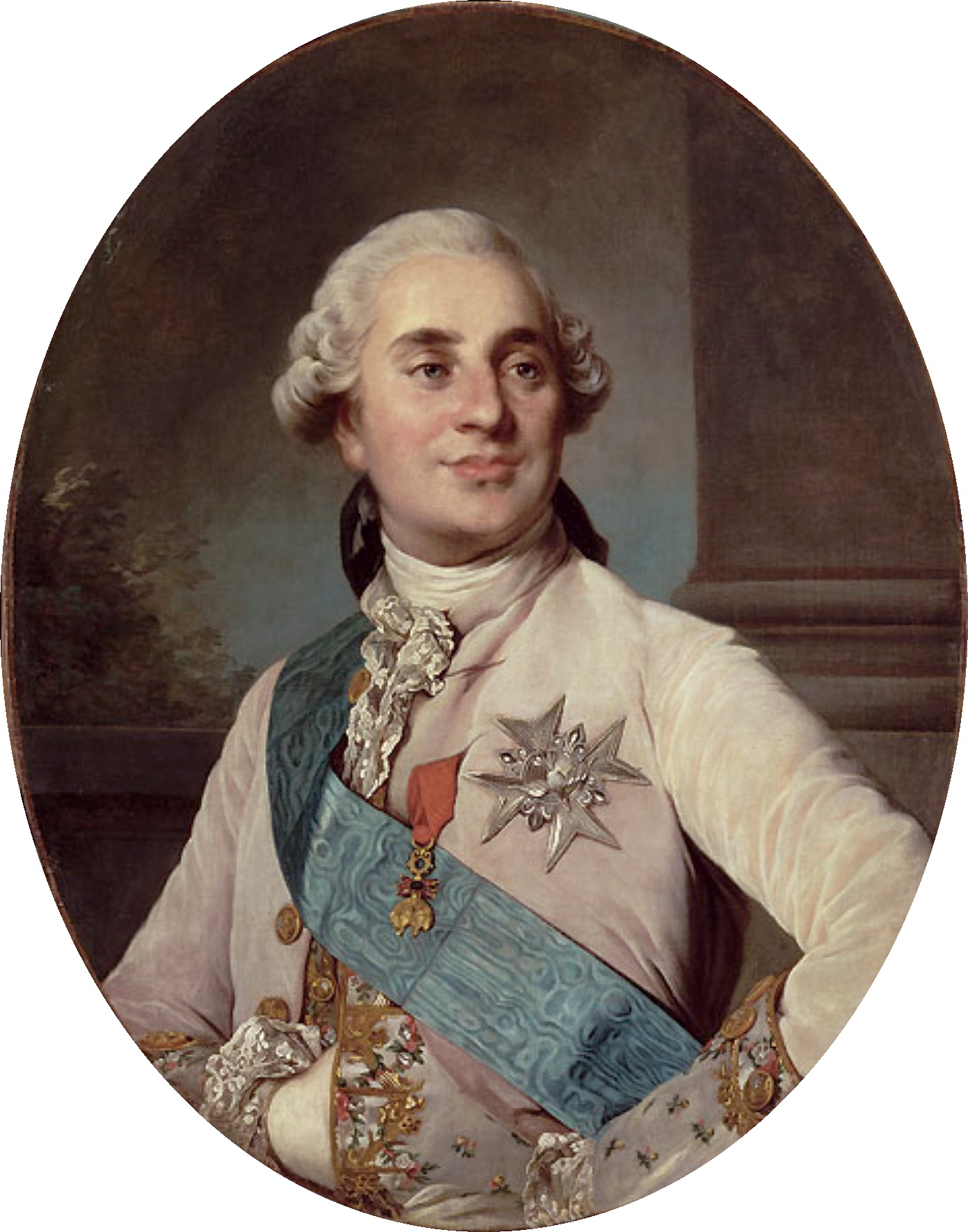
-Louis XVI financial minister was Turgot. A man of the enlightenment, Turgot tried to tax land [mostly owned by nobles] free tariffs and get rid of the corvee.
-Nobles and clergy were exempt from taxation and where against Turgot's plan to tax them. So they made Louis XVI get rid of Turgot and hire Necker, a Swiss banker
-Necker financially supported the American Rev. which made a bigger debt for France.
-King needed money so the nobles and clergy forced him to call the Estates General, a governing body from the middle ages, to help him get money
Estates General 3 Estates were:
1. Clergy- 1 % of pop. -10% of land
2. Nobility- 3% of pop. -20% of land
-2 kinds of nobility; 'nobility of sword'-ancient nobility &
'nobility of robe'-rich people who became nobles
3. Bourgeoisie- Merchants, lawyers, peasants, artisans
3rd Estate demanded 3 things:
1. meeting in one room-so they wouldn't be ignored
2.Voting by individuals, not by estates-bc the clergy and
nobility were a minority but they always voted together
to veto Bourgeoisie
3.Double representation of 3rd Estate-since they represented
97% of the pop.
-cahiers were lists of complaints from the delegates sent to the King
-Louis XVI kicked the 3rd Estate out of the Estate General so they met on Tennis courts outside and formed a National Assembly; in response, Louis XVI called the army to Paris
-people of Paris stormed the Prison of Bastille on July 14 [Bastille Day in France today] to get ammunition and free prisoners
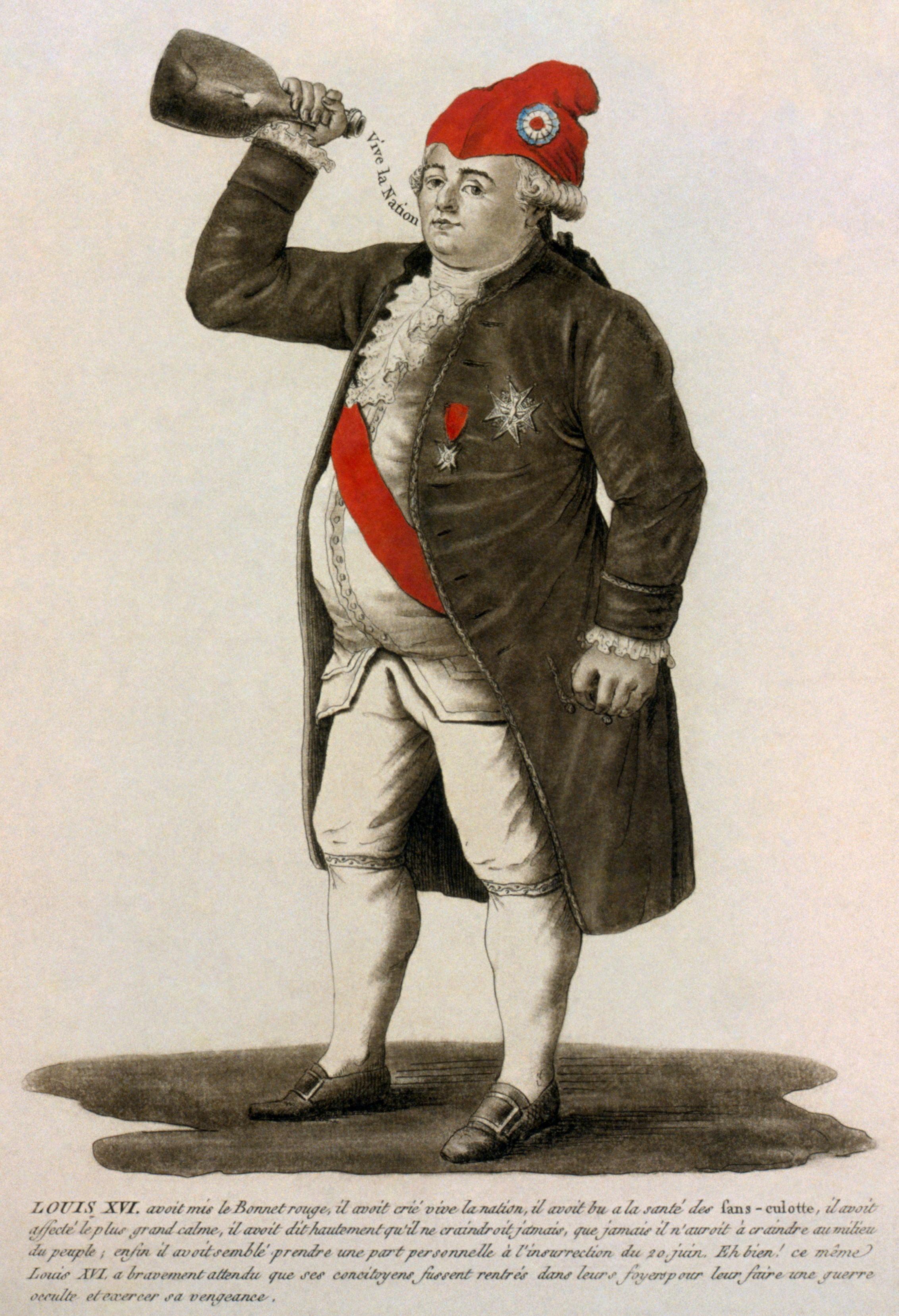
-san-coulutte is the name for the lower class people of Paris who are very radical
-peasants also rebelled in the countryside out of the Great Fear-that the nobility were burning their...
Reviews of: "French Revolution: Napoleon."
:
More The French Revolution
essays:
The Extent of Louis XVI's impact on the French Revolution.
... this, Louis XVI's decision to support the American Revolution was unnecessary and wasted money that could have been spent on importing food. Louis was not French debt; his decision to support the war was reckless. A.R.J. Turgot ...
'The French Revolution: Causes and Effects' by Sakshi Kaushik
... the French Revolution, but coincidental events such as the food and financial crises, the European Enlightenment, the American War of Independence and the absolute government headed by Louis XVI also ... The Estates General generally voted as a class. Usually the clergy and nobility voted ...
French Revolution - What were the causes of the downfall of Louis XVI?
... the Age of Enlightenment when some philosophers had new ideas of how the country should be ruled, the inequalities between estates, the bankruptcy of the government, the attitude and behaviour of Louis XVI, and ...
The main cause of the French Revolution
... toward Louis XVI whom they left responsible. This led the middle class to gather up the less educated peasants on a quest for a better government, which they wanted to be a major factor of. Unlike the American Revolution where ...
French revolution
... the Middle Ages still survived, making trade difficult. However, the most serious problem was the problem facing the government during this time. The French government borrowed much money to pay for the wars of Louis XIV. Louis still ...
What were the causes for the French Revolution? (suggestion for improvement: add the calling of the Estates General and the subsequent split which led to the National Assembley)
... the French Revolution took place in 1789, provoked by a series of causes such as the collision of powers between the bourgeoisie and the aristocracy, the revolutionary ideas from the American Revolution and the Enlightenment, and by the financial debt ...
"The French Revolution Owed Much to the Philosophes". Discusses the part of the philosophes in causing the French Revolution. Also deals with other long and short term causes.
... the clergy and the nobility to join the National Assembly. And so, on June 27th 1789, the peaceful, political part of the French Revolution was ...
What were the causes and the effects of the French Revolution?
... the Middle Ages still survived, making trade difficult. However, the most serious problem was the problem facing the government during this time. The French government borrowed much money to pay for the wars of Louis XIV. Louis still ...
Good
Nice facts! Saved me a lot of time from research.
0 out of 0 people found this comment useful.