The Gaia theory explains the Earths evolution with an ancient living being named Gaia. Gaia has occupied earth since its formation. Gaia started an ongoing process of transformation. The process begins with bacteria and photosynthetic algae extracting carbon dioxide and releasing oxygen into the atmosphere. This oxygen-rich atmosphere then set the stage for the evolution of multi cellular life. The atmosphere also started a process of influencing life and life evolving to influence the atmosphere.
To maintain a constant surface temperature for billions of years a decrease in atmospheric pressure would have to occur over time. Apparently there was more oxygen in the past. More oxygen creates more atmospheric pressure. The more oxygen lost from earth, the lower the pressure on earth. This relationship between pressure and temperature can be observed currently in different altitudes. The higher a person goes in altitude, the thinner the air is, and the colder the temperature becomes.
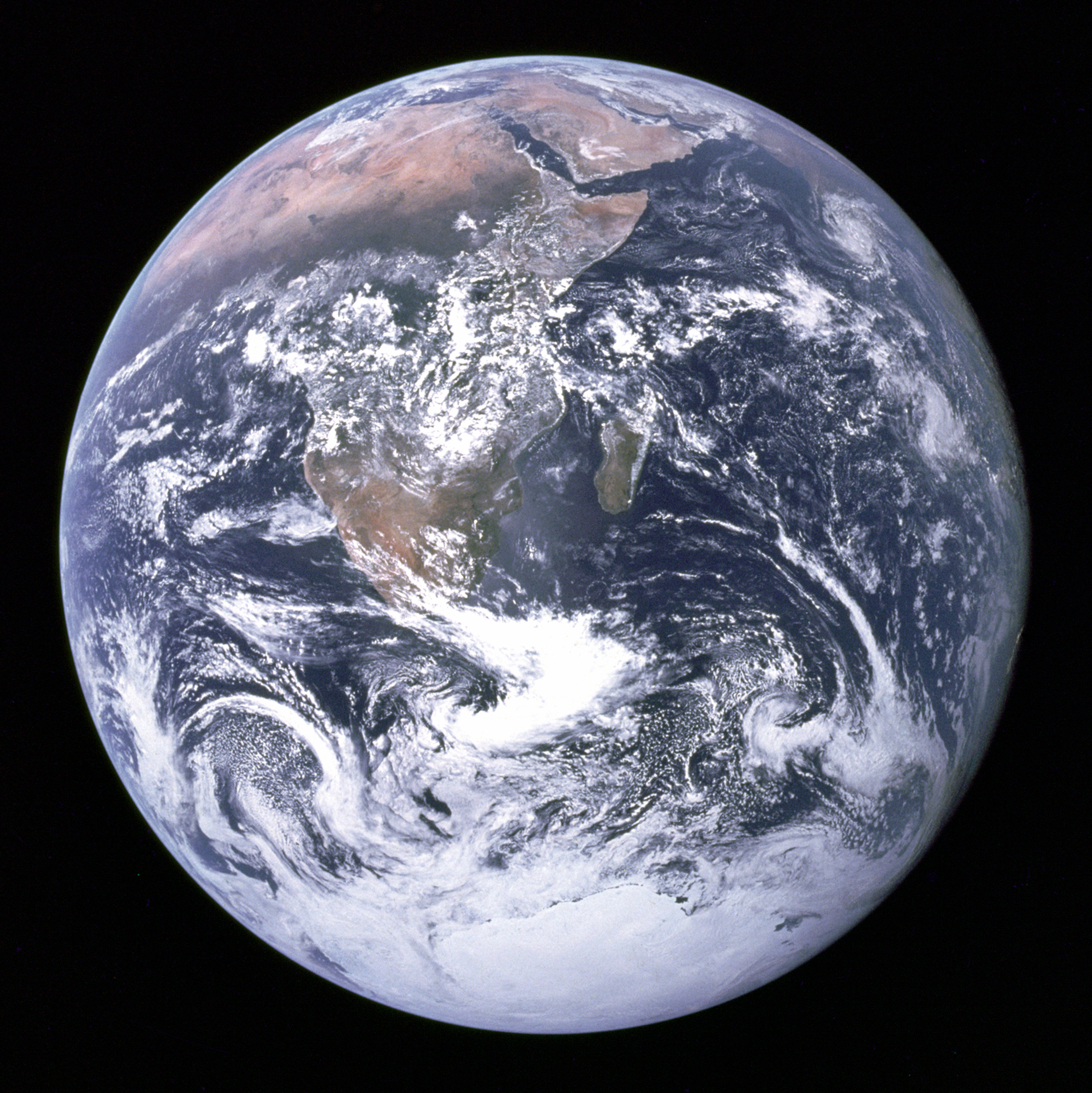 The Earth seen from Apollo 17.
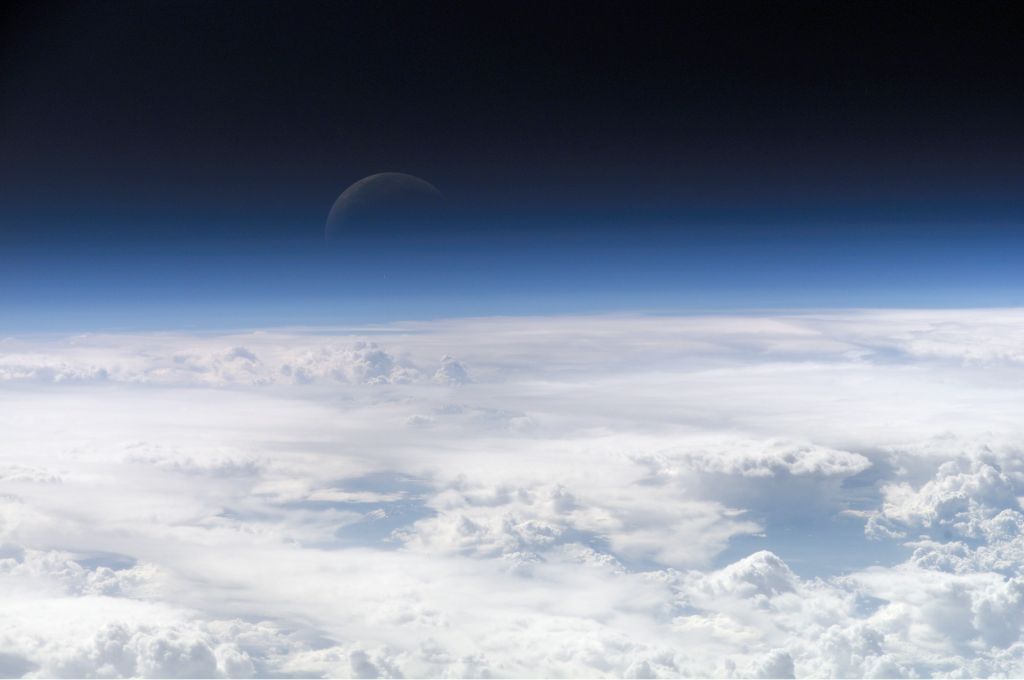 English: View of the crescent moon through the top...
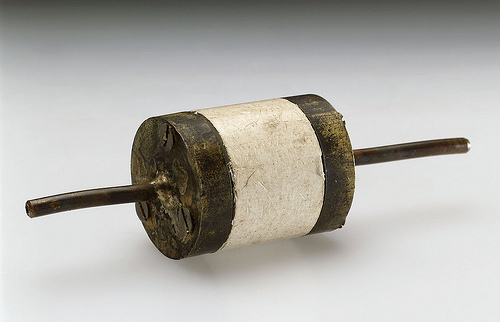 James Lovelock's Electron capture detector for a g...
If a person tries to hitch a ride on the wheel of an airplane they will freeze to death.
The clouds also regulate the temperature. If there are more clouds, more sunlight is reflected away from the earth, and the earth cools. If there are fewer clouds, more sunlight is able to reach the surface of the earth and the earth warms. Higher temperatures lead to greater evaporation and greater global cloud cover, cooling the planet.
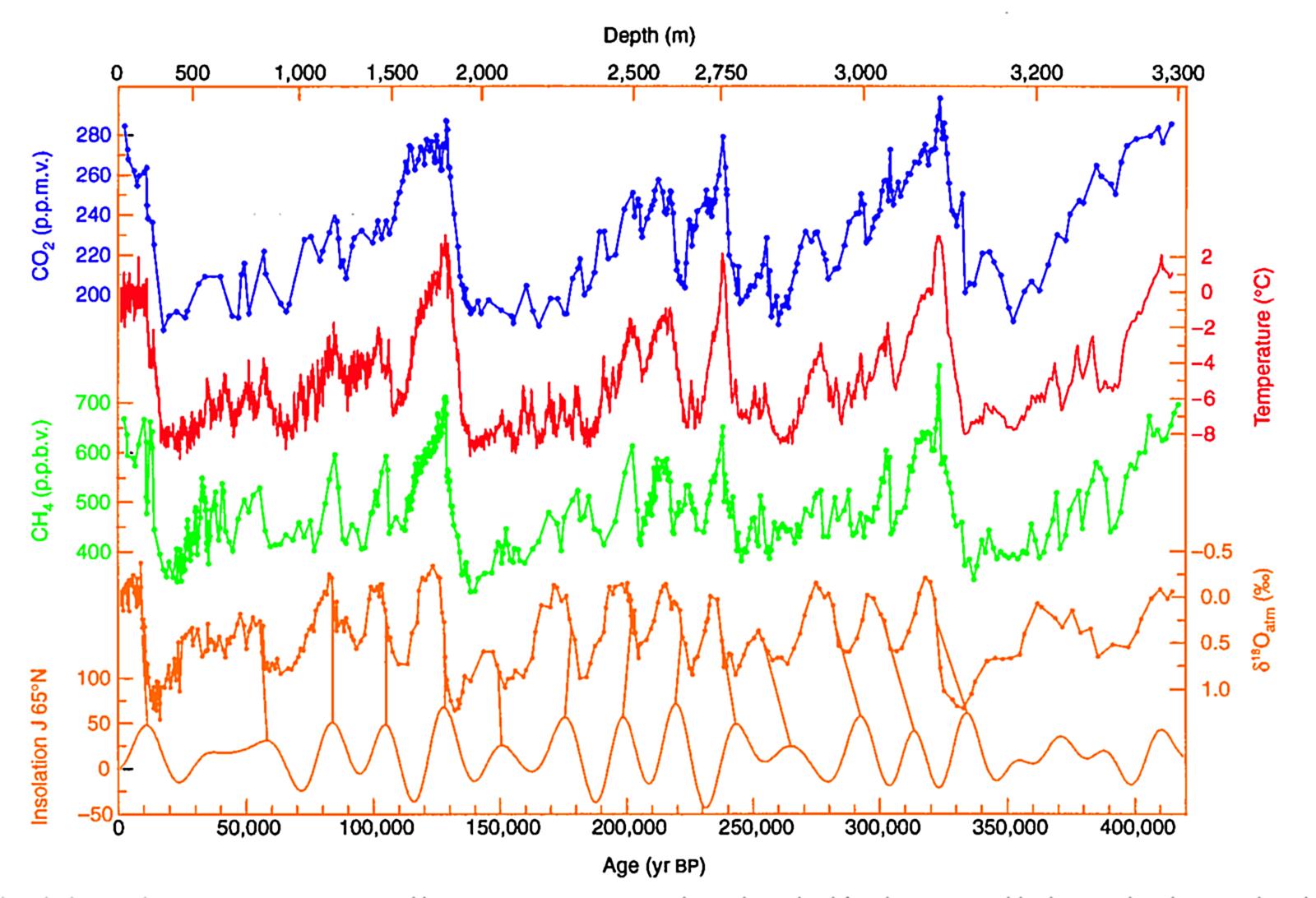 420,000 years of ice core data from Vostok, Antarc...
 Atmosphere.