Introduction
We, in the 1990's, are slowly and inevitably being faced with the sociological and biological implications of impending genetic power. This power is analytical, in such cases as the Human Genome Project, which will hopefully succeed in mapping out the genetic code for the entire human genetic composition. Moreover, this power is preventative and participatory in that it can be, and is being, used to control the behavior of humans and other animals. This new power, in the eyes of many, is as risky and potentially hazardous as atomic energy: it must be treated carefully, used under close supervision, performed under professional consent and observation, otherwise, people will begin to see this new genetic power as a dangerous drawback, rather than an advancement of human culture.
One of the most highly contested and objectionable topics of genetic power is the analysis of crime, violence, and impulsivity. Doubtless, most will agree that children are not born with a natural affinity for violence and crime; yet, new genetic studies are beginning down a long road of finding the hereditary basis for impulsivity.
 Brunner Mine Industrial Site
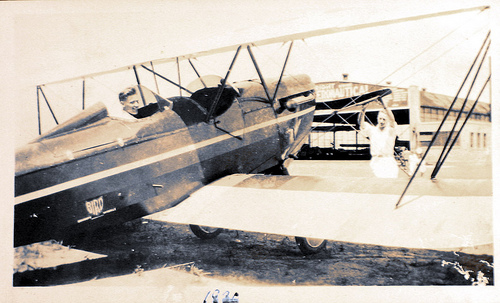 Brunner Winkle Bird with OX5 engine
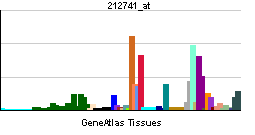 English: Gene expression pattern of the MAOA gene.
While these studies continue to search for the genetic source of aggression, child testing programs, drug manufacturers, civil rights activists, lawyers, and anxious citizens await the resulting testimony of the scientists. The social implications of the genetic search for aggressive tendency is seen by some as a great step forward, by others as a dangerous power with the ability to give birth to another Holocaust, and by still others as racist.
At one time, it was believed that one's character could be determined from the bumps in one's skull. Much later, in the 1960's, as science marched on in its regular pace, it was theorized that carriers of an extra Y (male) chromosome were predisposed to criminality. Today, we...
Informative
very informative. I loved this essay! and it was well-written too! good job!
0 out of 0 people found this comment useful.