George Washington Carver
By Teresa Rogers
George Washington Carver was born in about 1864 (the exact year is unknown) on the Moses Carver plantation in Diamond Grove, Mo. His father died in an accident shortly before his birth, and when he was still an infant, Carver and his mother were kidnapped by slave raiders. The baby was returned to the plantation, but his mother was never heard from again.
Carver grew to be a student of life and a scholar, despite the illness and frailty of his early childhood. Because he was not strong enough to work in the fields, he helped with household chores and gardening. Probably as a result of these duties and because of the hours he would spend exploring the woods around his home, he developed a keen interest in plants at an early age. He gathered and cared for a wide variety of flora from the land near his home and became known as the "plant doctor," helping neighbors and friends with ailing plants.
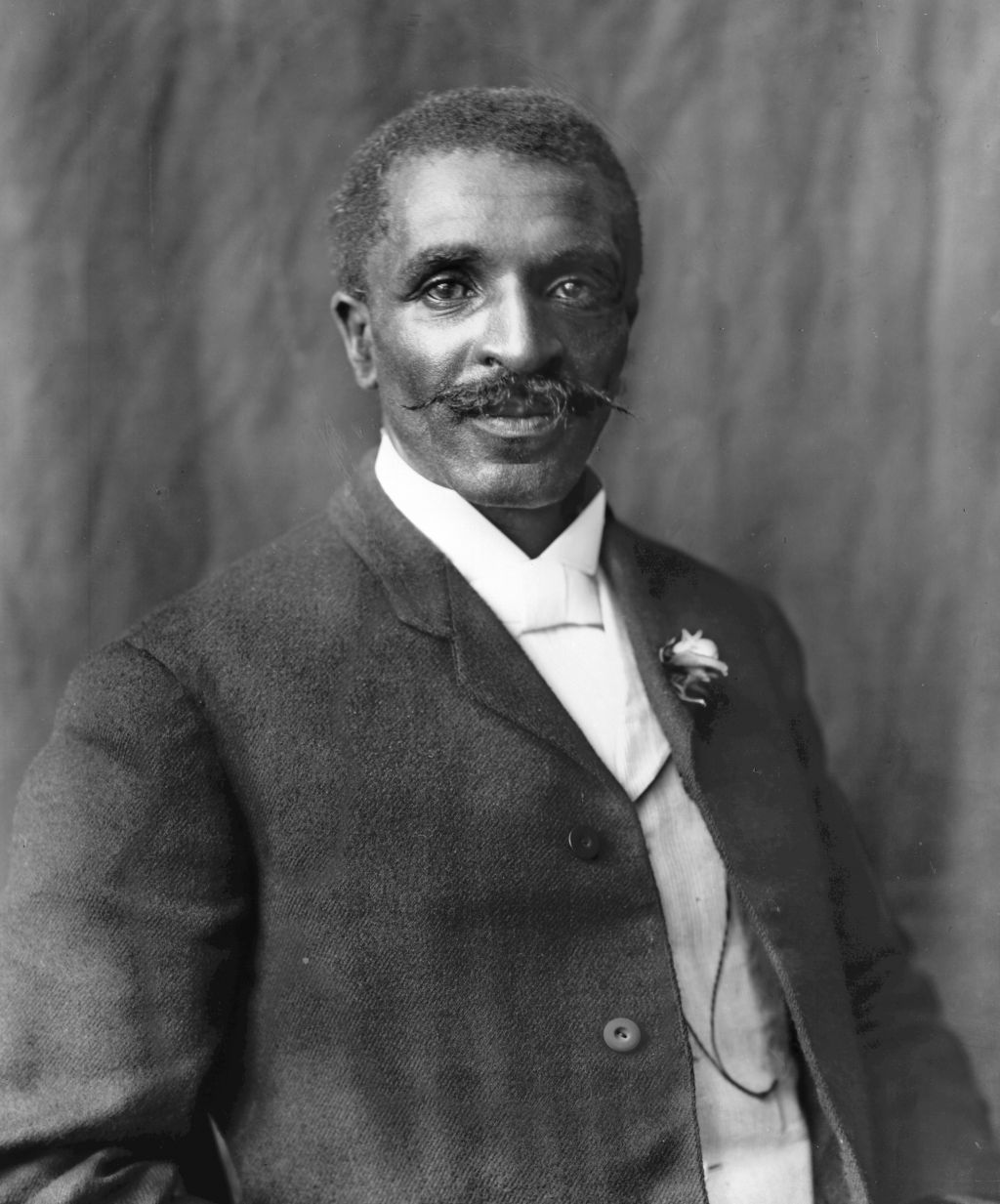 Picture of George Washington Carver taken by Franc...
 George Washington Carver
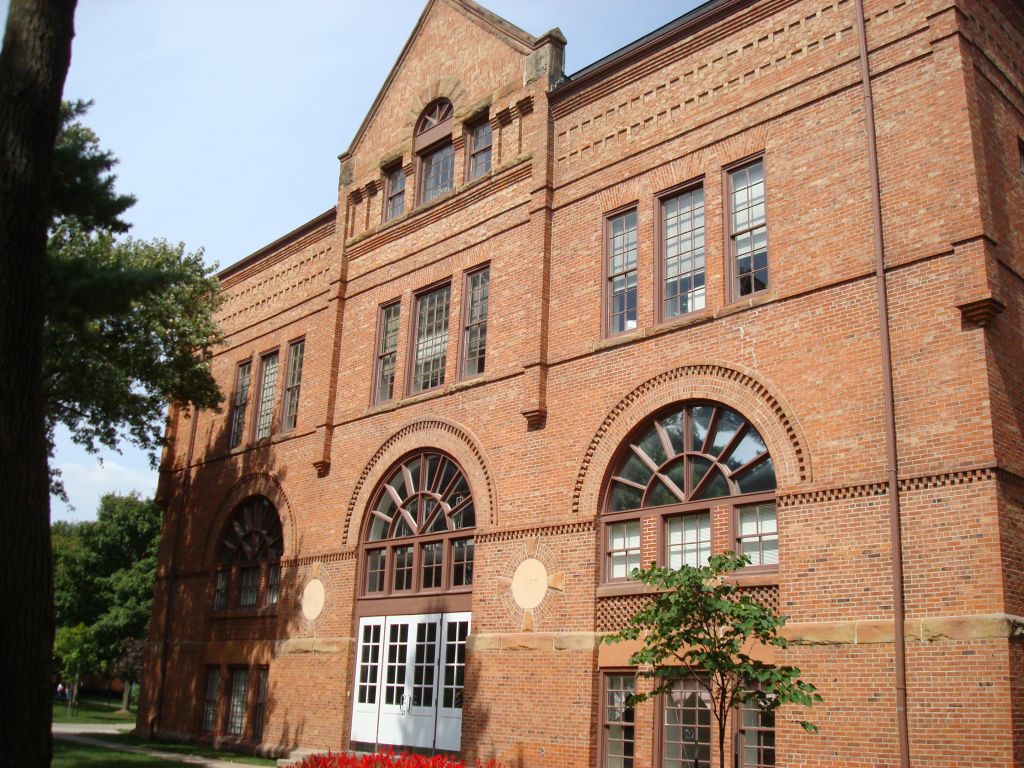 English: Wallace Hall (also known as Science Hall)...
He learned to read, write and spell at home because there were no schools for African Americans in Diamond Grove. From age 10, his thirst for knowledge and desire for formal education led him to several communities in Missouri and Kansas and finally, in 1890, to Indianola, Iowa, were he enrolled at Simpson College to study piano and painting.
He excelled in art and music, but art instructor Etta Budd, whose father was head of the Iowa State College Department of Horticulture, recognized Carver's horticultural talents. She convinced him to pursue a more pragmatic career in scientific agriculture and, in 1891, he became the first African American to enroll at Iowa State College of Agriculture and Mechanic Arts, which today is Iowa State University.
Through quiet determination and perseverance, Carver soon...