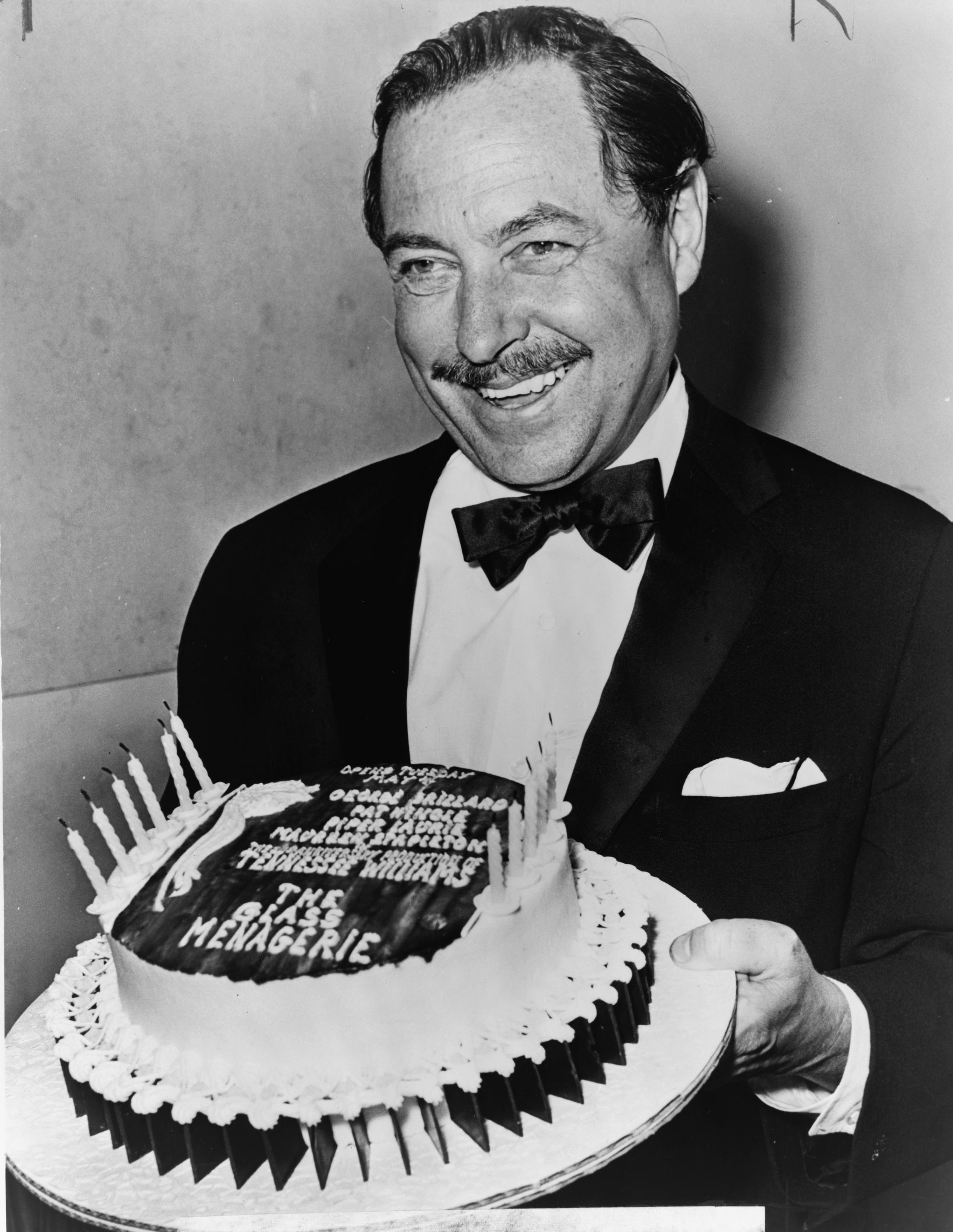
"The Glass Menagerie" by Tennessee Williams
"The Glass Menagerie" by Tennessee Williams shows the struggle of two people to fit into society, Tom and Laura, and how society wouldn't accept them. They were the dreamers that were unjustly kept out and you may even go as far as to say persecuted into staying out and aloof like the other dreamers which are forced to become outcasts and not contribute to the actions of all.
Tom and Laura, the two dreamers, were pushed by their mom, Amanda, to her frame of mind and the thoughts of a hard working society. They both stumbled on the fire escape which served as a gateway, physically and mentally. Tom had the problem of fitting in at the warehouse were he worked, because is the warehouse really a place for someone like him and his mind rebelled. Lastly you can see how society forced them to change and Laura to lose her status in order to fit in with Jim and that's shown by the horn breaking. Tom then realizes that and leaves which causes him to change too. Tennessee Williams artfully depicted this.
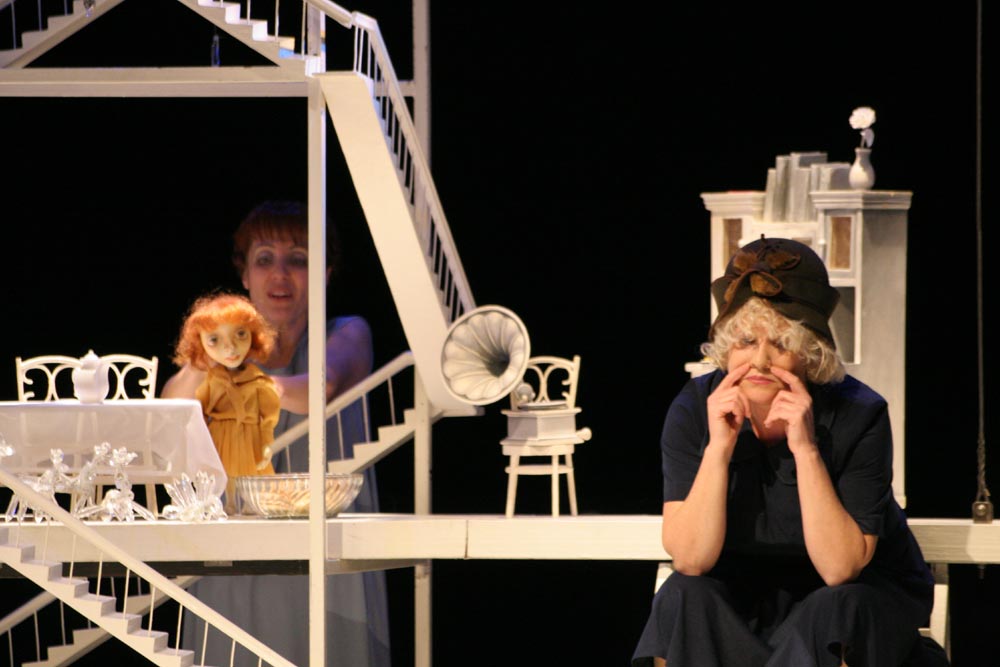
The fire escape. A downtrodden red thing off the sides of buildings showing societies ineffectual escape from itself. In this case it served as a passageway between the real world and the dream one that Laura and Tom were living in at home. Both somehow stumbled both physically and mentally. When Laura said "I'm all right. I slipped but I'm all right"(47). She was trying to pass to the real world to do a real job and couldn't because of societies "inability" to accept her and her ways. She wasn't strong enough to make the trip by herself, but needed the moral support of the other dreamer in the area, which was Tom who came running out.
More Drama
essays:
Glass Menagerie. Gives comparisons about the similarities between the characters' relation to the past
... The Glass Menagerie, Tennessee Williams wrote about the struggles of an American family during the Depression-Era. He presented the problems of being constrained to monotonous work and ...
Untitled
... The Glass Menagerie" depicts each character’s gloom and futile dreams. Tom, Laura, and Amanda seem to believe that escape is possible. Inevitably, no character makes a clean break from the situation at hand. Perhaps Tennessee Williams conveys ...
"The Glass Menagerie "by Tennessee Williams, the characters' relation to the past
... The Glass Menagerie, by Tennessee Williams The Tragic Effects of the Past In The Glass Menagerie, Tennessee Williams creates a world in which the characters are disillusioned by the present. Amanda, Tom ...
The Glass Menagerie-Characterization and symbolism in Tennessee Williams' play.
... The Glass Menagerie", Tennessee Williams utilizes intense characterizations to illustrate the specific traits of his various fictional personas. In the mother, Amanda, the ...
The Character of Amanda Wingfield in "The Glass Menagerie"
... she wants them to be happy and have good fortune. Tennessee Williams illustrates Amanda's attitude in scene IV, while she's talking to ... IV of "The Glass Menagerie," demonstrates these unique characteristics of Amanda. The scene takes place at about seven am the day after Tom and Amanda get ...
A major subject or theme of Tennessee Williams' plays is human sexuality in its various aspects. Discuss with reference to A STREETCAR NAMED DESIRE
... with Amanda Wingfield, in The Glass Menagerie, Blanche DuBois seems to struggle in a changing world and by adopting an aspect of identity ... aspects of human sexuality. BIBLIOGRAPHY Williams, Tennessee. A ...
The Glass Menagerie: portrayal of fragile, vulnerable, and defeated character who wrestles with the fact of his or her defeat.
... altar of Laura's face have been snuffed out"(307). BIBLIOGRAPHY Williams, Tennessee. The Glass Menagerie, in ...
"People living on the fringe, never really able to join the mainstream of society" Compare texts Street car named desire by Tenessee Williams and Of mice and men by John Steinbeck
... by Tennessee Williams and Of Mice and Men by John Steinbeck are quite similar but so very different to each other. Not only the way they were both written, but also the picture the reader receives in their mind after ...