Global 1 and 2 Review
1. Geography· Definition: The features of the earths surface for a certain region, such as mountains and rivers, along with other elements like climate are part of geography.
· Geography has been present throughout history.
· Every region would have a part of geography to make them distinct from others.
· Geography is a very essential part of certain regions. For example, if a region is an island and is surrounded by water, that would effect what type of food the people eat, the cultivation of certain types of vegetation, domestication of what animals, the trading with which locations, influence of water transport, and much more. In conclusion, geography would affect every factor that contributes to the regions lifestyle.
2. Archeology· Definition: Archeology is the study of the culture of past human life by observing remains that were left behind such as artifacts.
· Archeology might have been a field in which many archeologists has been studying for a while now and is still being studied.
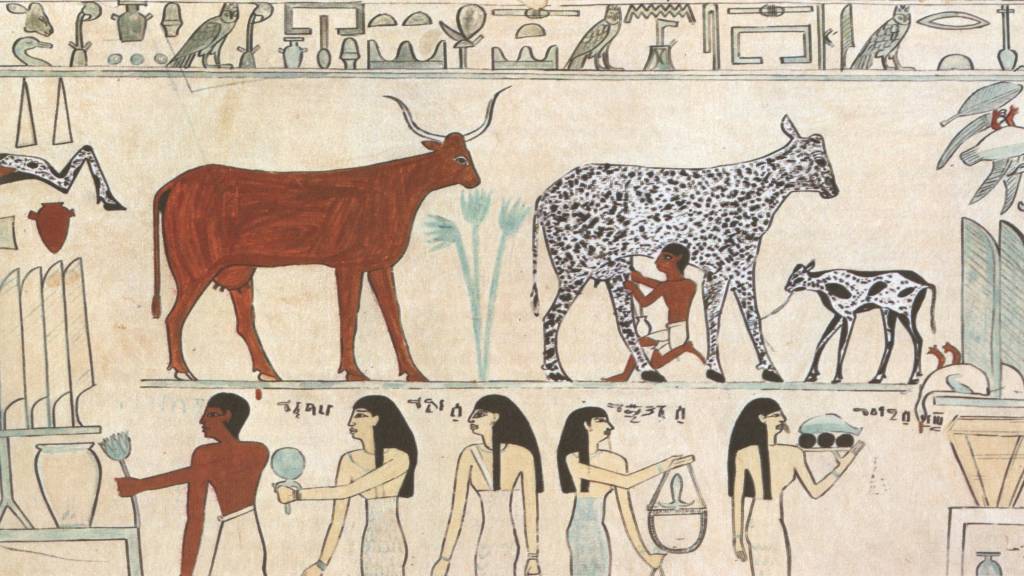
· Archeologists have been all around the globe finding different evidence of past lives, so there is no specific single location in which archeology is being performed.
· The importance of archeology is that it helps us understand people and societies, how we became to be, and etc.
3. AnthropologyDefinition: The scientific study of the origin, the behavior, and the physical, social, and cultural development of humans.
· This study of humans has been preformed throughout numerous dates of history.
· Since humans have populated a vast amount of the earth, anthropology can be associated with many regions.
· Anthropology can help us embrace those aspects of past human existence such as the evolution of humans.
4. Cartography· Definition: The making of maps and charts to represent earths surface.
· Cartography is a practice...
More World History
essays:
The Making of War
... subsume the human activity of war-making. This essay will proceed inductively to illustrate its point. The creation of war has three distinct and notable differences which are physical, economic and symbolic types of violence ...
What were the salient features of the Nazi state?
... were the salient features of the Nazi state?The Nazi state was characterized by the following salient features: a one party law and order, the control of the media via censorship and propaganda, racial and religious persecution and the control ...
Africa’s Influence on the History of Civilizatio
... diaspora of millions of native Africans to remote regions of the world and the exploitation of those left behind. Accordingly ... rights – the slaves, war captives, disgraced or degraded people. Slavery was an important feature of social and economic life. The practice ...
A Fooled Nation: Hitler's Rise to Power.
... them. Then one day, he decided he wanted them off the face of the Earth. He would make the whole world free of Jews. He needed an excuse to do so and was ... any of it ever happened. But perhaps they shouldn't. The holocaust was plain, undeniable truth of the horror of humanity. It ...
How Succesful was Hitlers Propaganda from 1933-39.
... take the country to war, and so shake its human foundations - they must have complete support of the people ... to make the reference to "newsreels featuring Goebbels in a grand seigniorial setting had to be withdrawn" - audience reactions were hostile. It is a demonstration of the Nazi ...
The Holocaust, its about the holocaust and it explains what it was and what happened. It explains the event that took place.
... because of the many rights it violated for the Jews as human beings. The main goal of the holocaust ... prevent the deportation. The people would only be able to bring what they could carry and everything else has to be left behind. Everyone ...
World Rulers: Alexander the Great, Julius Caesar, and Genghis Khan
... abuse the man who attained the pinnacle of human felicity^who was the undisputed monarch of both continents^and whose name has pervaded the whole of the earth^ My ...
The genocide in rwanda
... or food, and some were even told they could appropriate the land of the Tutsis they killed. On the ground at least, the international community largely left the Rwandans ...