Global Effects of World War I.
Global Effects of World War I
"Everywhere in the world was heard the sound of things
breaking." Advanced European societies could not support long wars or
so many thought prior to World War I. They were right in a way. The
societies could not support a long war unchanged. The First World War
left no aspect of European civilization untouched as pre-war
governments were transformed to fight total war. The war metamorphed
Europe socially, politicaly, economically, and intellectualy.
European countries channeled all of their resources into total
war which resulted in enormous social change. The result of working
together for a common goal seemed to be unifying European societies.
Death knocked down all barriers between people. All belligerents had
enacted some form of a selective service which levelled classes in
many ways. Wartime scarcities made luxury an impossibility and
unfavorable. Reflecting this, clothing became uniform and
utilitarian. Europeans would never again dress in fancy, elaborate
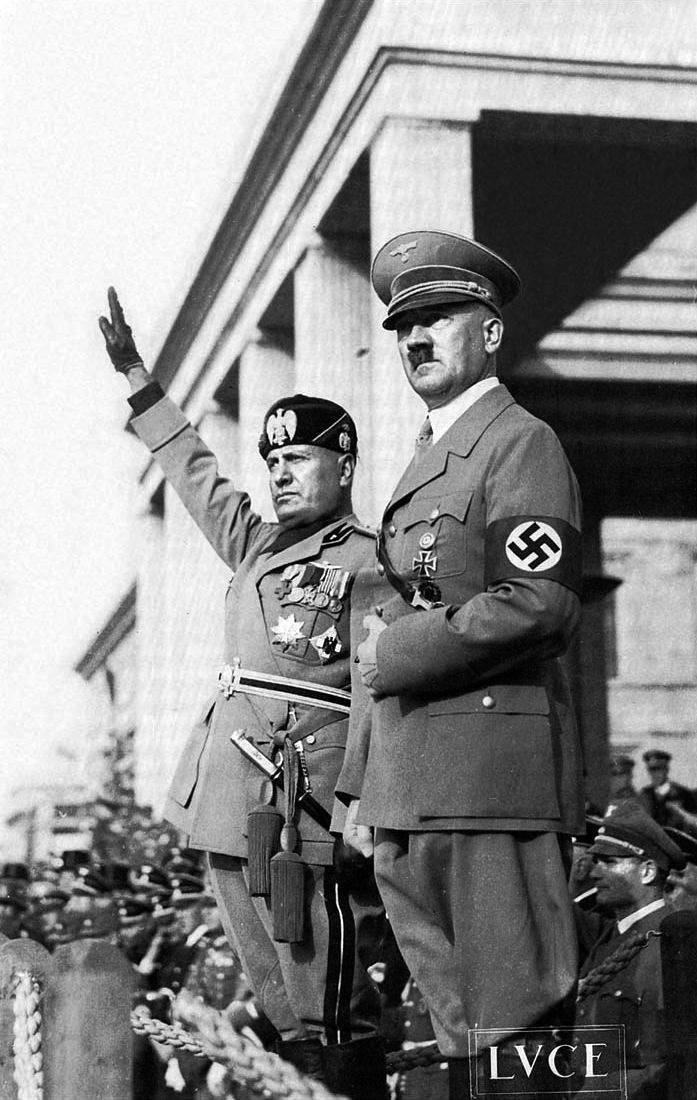
costumes. Uniforms led the way in clothing change. The bright
blue-and-red prewar French infantry uniforms had been changed after
the first few months of the war, since they made whoever wore them
into excellent targets for machine guns. Women's skirts rose above
the ankle permanently and women became more of a part of society
than ever. They undertook a variety of jobs previously held by men.
They were now a part of clerical, secretarial work, and teaching.
They were also more widely employed in industrial jobs. By 1918, 37.6
percent of the work force in the Krupp armaments firm in Germany was
female. In England the proportion of women works rose strikingly in
public transport (for example, from 18,000 to 117,000 bus conductors),
banking (9,500 to 63,700), and commerce (505,000 to 934,000). Many
restrictions on women disappeared during the war. It became
acceptable for young,
More World War I
essays:
"The First World War was the first modern war" discuss and evaluate this statement
... kicked down before reaching the barbed wire by machine guns. If they were lucky enough they would have to fight hand to hand in the enemy's trench. The First World War was the first war of ...
Who do you blame for the First World War?
... every country was to blame for the First World War by only attending the war. Work Cited ... closer together, and Germany's diplomatic position got weaker. As a result of their weakened position they promised never again to back down. The outbreak of World War I was ...
Social, Economical, and Political Effects of World War I.
... long war unchanged. The First World War left no aspect of European civilization untouched as pre-war governments were transformed to fight total war. The war metamorphed Europe socially, politicaly, economically, and intellectualy. European countries channeled ...
essay concerning the causes of world war one
... miscalculation. I aim to give a detailed analysis of these two arguments with the focus being on the main European powers at the time - Germany, Great Britain, France and Russia. It is my view that the First World War was effectively ...
Effects of World War I
... the effects, during World War I 1914-1918, of trench warfare on the Western Front? World War I had claimed many lives and was a great tragedy; the reason the war had started was because most of the other European countries ...
The Causes of World War I.
... a World War I, of course have been no Second..." Adolph Hitler himself was a product of the First World War. World War I also gave Lenin an opportunity to overthrow the government in ... the effects of modern weapons. The First World War was the first war to ...
The impact of the First World War on Britain and Germany
... the effects of war and the fear of war on the civilian population of two countries during World War one. The First World War was 'Total' in nature and was the first traumatic war Great ...
Causes Of World War I
... the First World War by James Joll and The Origins Of World War I 1871 – 1914 by Joachim Remak both describe the events and the political dealings of the European countries of ...