Gospel of Matthew.
In this Gospel, Matthew talks about the genealogy, birth, and the early life of Jesus Christ, the discourses and actions of John preparatory to Christ's public ministry, the discourses, actions, suffering, death, and resurrection of Jesus Christ. This book is evidently written for Jews to show that Jesus is the promised Messiah. Moreover, it contains more than sixty-two references to the Old Testament, which has more allusions than the other Gospels.
Author: Matthew was the author of this book, who was a tax collector and one of the disciples of Apostle. As a tax collector, he was expected to be able to write in a form of shorthand, which meant he could record someone's words as they spoke. This ability means the words he wrote are inspired by God, and also represent the words of Jesus.
When he wrote this book, it was based his own plans and aims, and from his personal point of view.
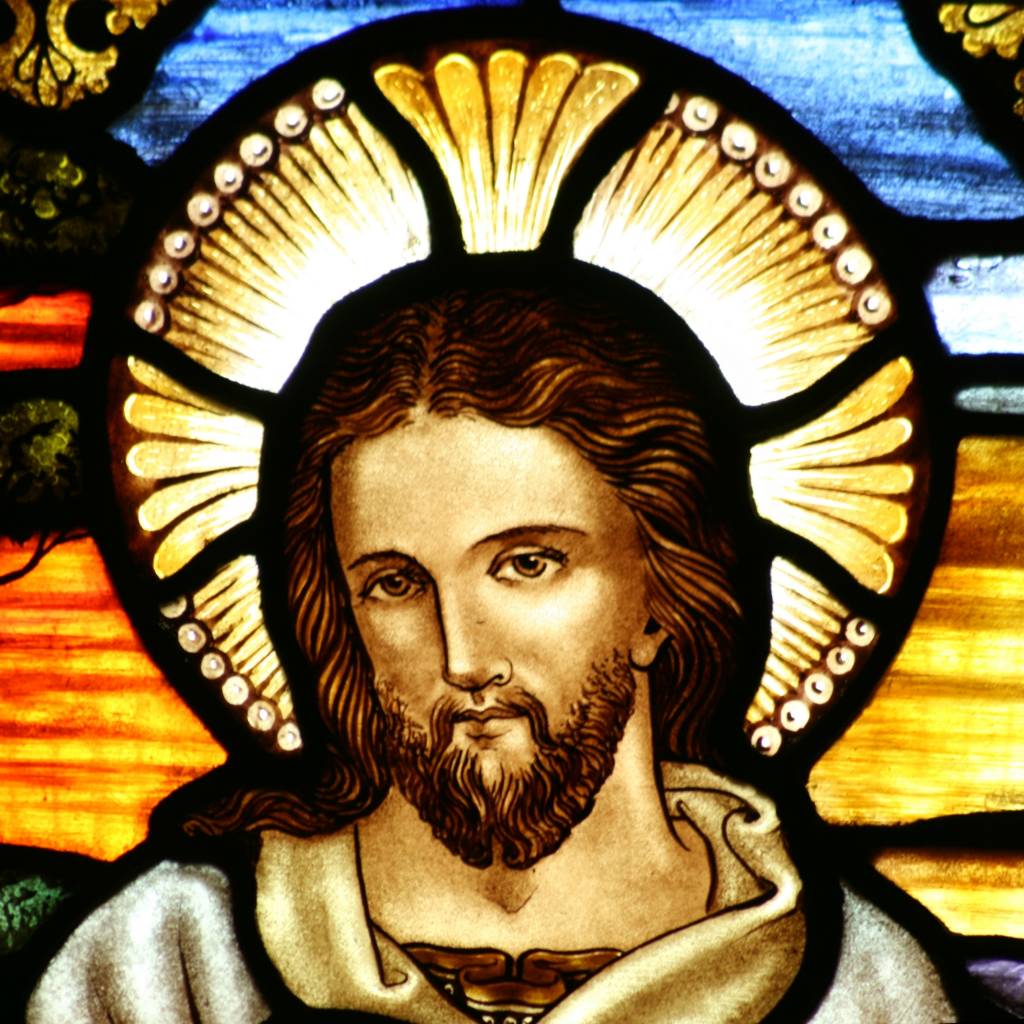 Stained glass at St John the Baptist's Anglican Ch...
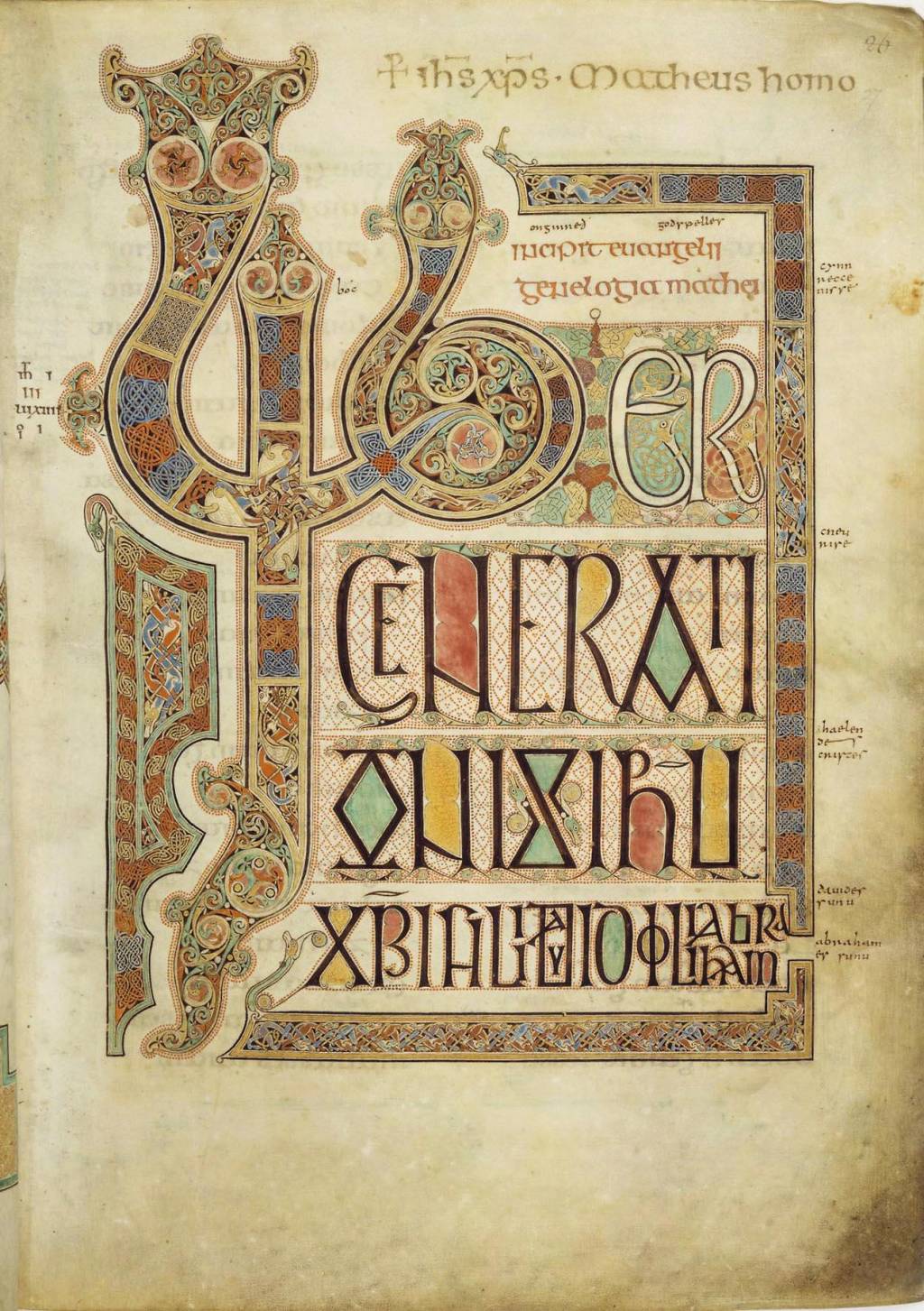 Folio 27r from the Lindisfarne Gospels contains th...
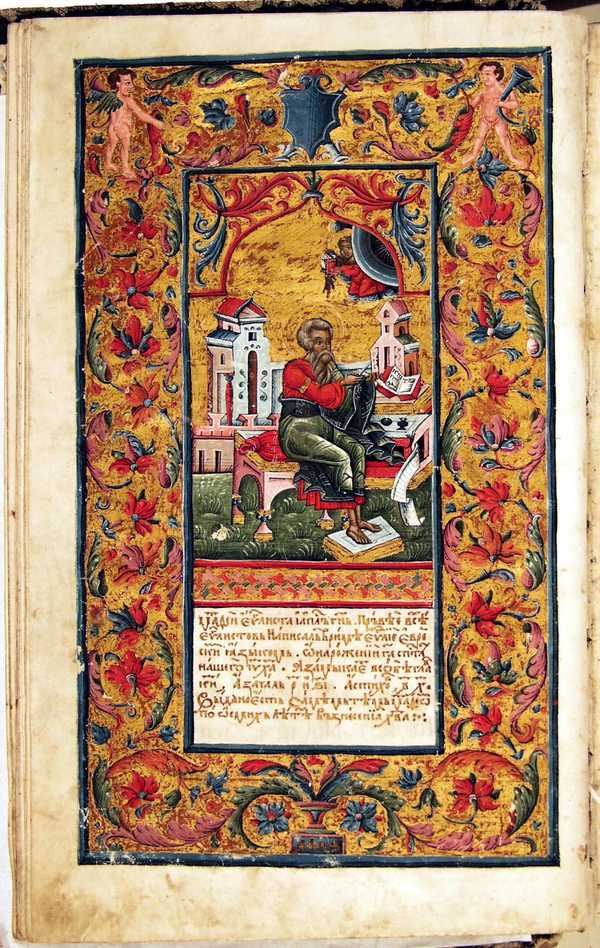 English: Peresopnytsia Gospels. 1556-1561. Miniatu...
Date of Writing: Many estimates have placed that Matthew was written in A.D. 50 to A.D. 100. Since Mark was written first, so Matthew must be written after Mark. Probably Matthew was written around A.D. 50 to A.D. 60. This date allows Matthew to have time to use Mark's Gospel to complete the Gospel before the destruction of the temple in A.D. 70. Also, it allows time for Luke to use Matthew's Gospel to compose his Gospel.
Purpose of Writing and Why was it included in the Bible: It is obviously that Matthew intends to write this to Jews. First of all, he does not explain Jews culture like the other books of Gospel (Mark7:3, and Luke19:40). Secondly, he quotes about six-two times about the fulfillment of Old Testament to show to Jews how Jesus is the promised Messiah. Thirdly,