The Great Depression
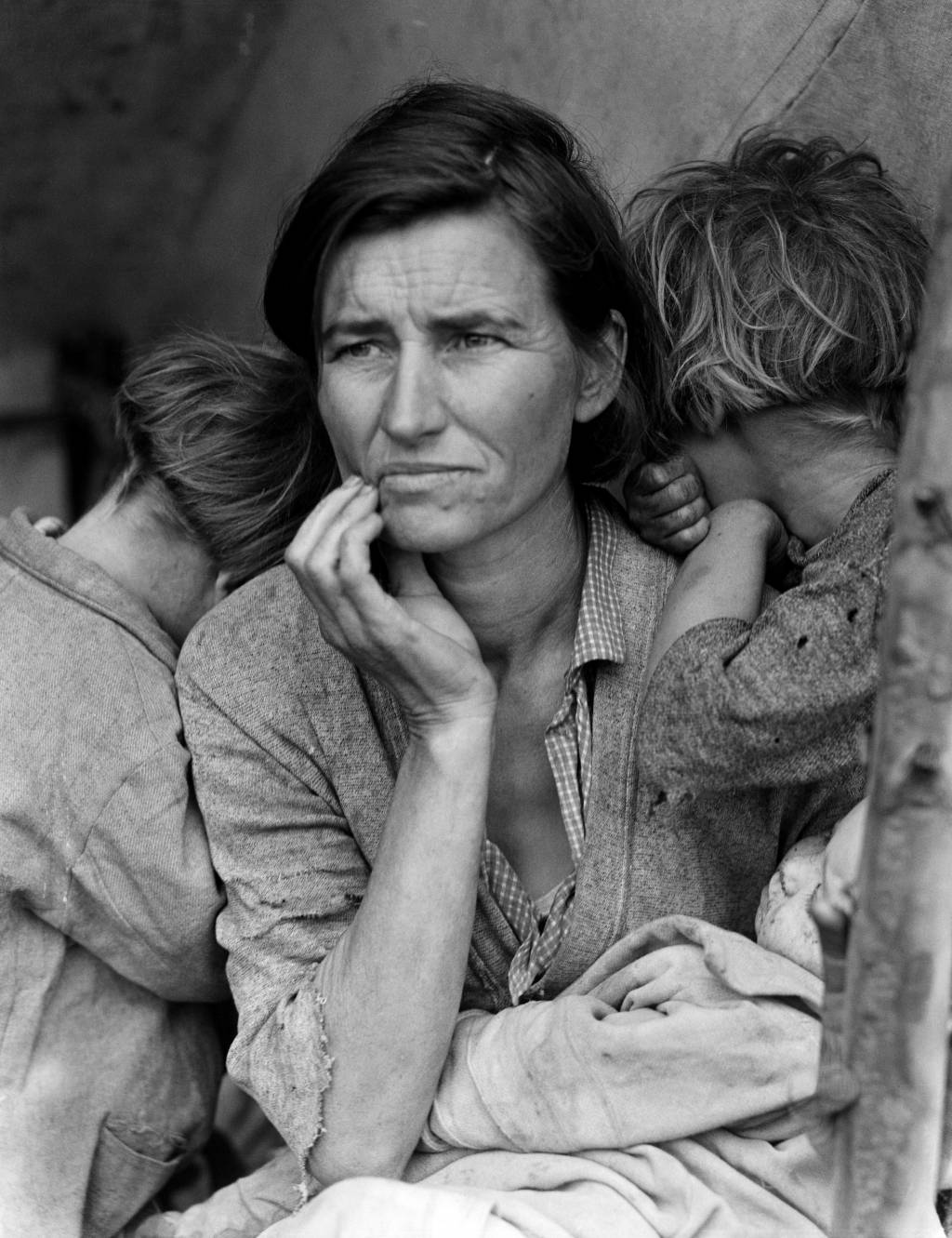
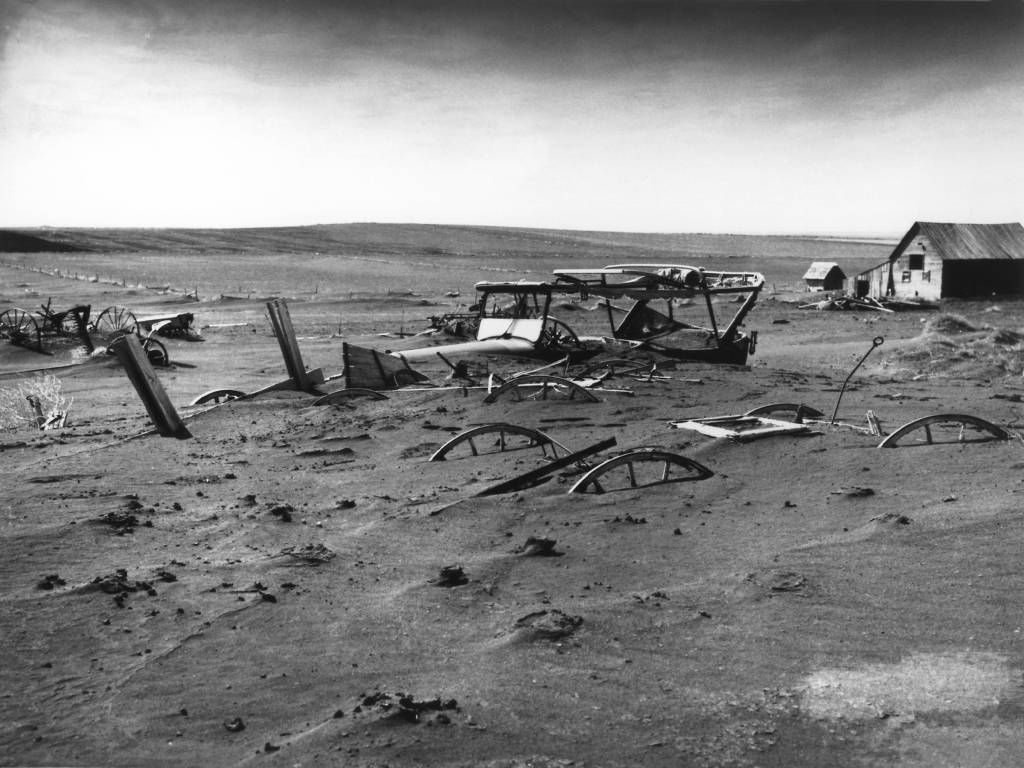
Two books by different historians paint a largely similar picture of the Great Depression of the 1930s, but have quite different attitudes about this period. The Age of Extremes, The Short Twentieth Century 1914 - 1991, written by Eric Hobsbawm, who experienced the depression first hand, exaggerates somewhat the social suffering of this period. Whereas Britain in the Depression: Society and Politics 1929 - 1939 was written by two much younger historians, John Stevenson and Chris Cook, whose lives were not directly affected by the depression and can examine the period without bias, but they do tend to minimise the suffering caused.
Britain in the Depression deals as it's title suggests, only with the effects of the great depression on Britain, whereas The Age of Extremes is a history of the world in the twentieth century. As such, Britain gives a much more in depth look at this period, and Age of Extremes only briefly goes over Britain in the depression, focusing more it's impact on the world as a whole. However, the two accounts do agree that was is the worst, most global economic disaster the world has ever seen, that it put millions out of work, created massive inflation in many areas, virtually destroyed most industry, and slowed world trade almost to a halt. They also both agree that while it made a large percentage of the population unemployed, for those with a job, things were getting better and better. However, Stevenson and Cook, acknowledge that it was a time of great poverty, but say that it wasn't as widespread as we have come to believe, in fact for the majority of the British populace who were employed, life was only getting easier. Hobsbawm's view of the 1930s is very much influenced by his own experiences of the...

More World History
essays:
Historiography of the Golden Era of Anglo-American Piracy in the Atlantic 1680-1730
... General History of the Robberies and Murders of the most Notorious Pyrates published in 1724. As much as any other reason, the Golden Age exists because these two books gave us the romantic vision of daring ...
How Saddam Hussein's Greed and Totalitarian Quest for Power Led to the Invasion of Kuwait, World Conflicts and the Degredation of Iraq
... and suffer the consequences of war. He chose to stay, thinking that his country would come out victoriously against the rest of the world. Little ...
Conflict and Violence as the major theme illuminating the history of the world in the twentieth century.
... the history of the world in the twentieth century. At the beginning of the twentieth century the global political order was comparatively stable. Victoria still reigned in ...
To What Extent was 'Sovietisation' imposed on Eastern Europe after 1945? Discuss with reference to at least two countries in the region - two countries referenced are Poland + Czechoslovakia
... in the Twentieth Century (London 1994) Fowkes, Eastern Europe 1945 - 1969 (Edinburgh 2000) Kenez, A history of the Soviet ... enhancing the influence the communists had throughout Eastern Europe after 1945 was the legacy of the Second World War, this is outlined by both historians of the orthodox ...
The Importance of Franklin Delano Rosevelt as a President and the great things he did for the United States of America during his Presidency.
... pull the United States out of the Great Depression, but according to well-respected TCU economics professor John Harvey, "The New Deal did not solve the great depression." In their book, Heilbroner ...
Winston Churchill
... s history. Although he was stubborn, uncompromising, and at times devious, Winston Churchill’s rhetoric, ambition, and never say die attitude carried him through his life and rallied a nation behind him. This man was one of the great twentieth century ...
Mobilizing for World War 2 did more to rectify the Great Depression than all of the programs in effect in the late 1930s and early 1940s.
... alter the economy to bring the Great Depression to an end. However, it was not until the 1940's after America's involvement in World War II that the effects of the depression ended ...
The Educational Advances of Women in the 17th and 18th Centuries//Did wome have their own Renaissance
... also the society in which the author lived. A close study of the lives of women in literature of the pre-modern world shows they suffered from increasingly repressive social constraints ...