Great Depression
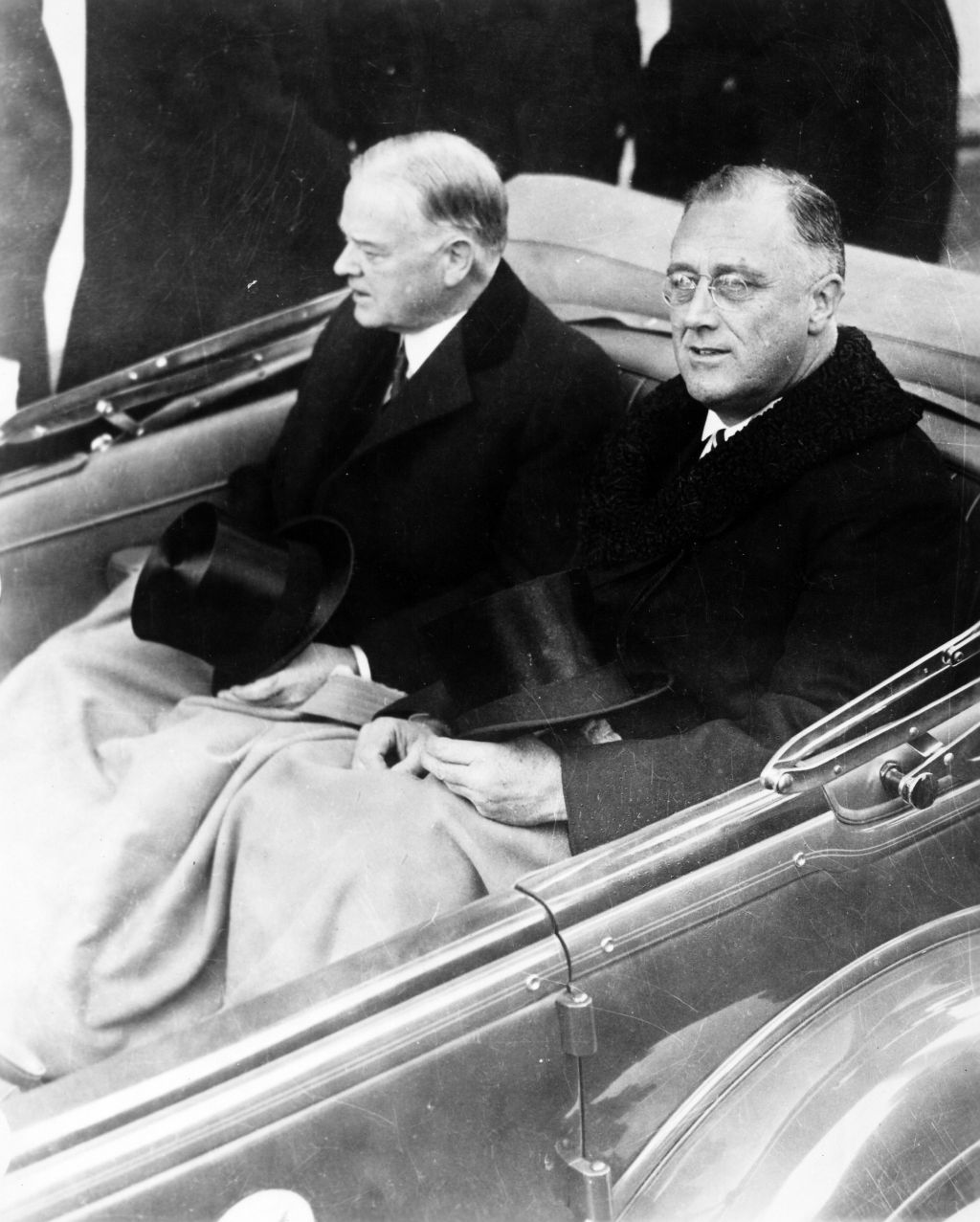
During 1929, the United States was experienced the Great Depression. It was the worst economic decline ever in U.S. history. By the end of the year, unemployment rising, business closing its doors, and poverty on a rise in the United States. President Herbert Hoover tried to fight the Great Depression, but didn't make much difference. Many fearful citizens wanted a leader who would do more to lighten the crisis. They found that leader in Franklin D. Roosevelt, who promised the nation a "New Deal" and with that promise won the election of 1932. Roosevelt's New Deal had deep effects upon American history. Franklin D. Roosevelt solved the depression and got the economy rolling again.
The depression was caused by a number of serious weaknesses in the economy. The first cause was Easy Credit. Although the American economy prospers in the 1920s, most of this richness was based on easy credit. The Federal Reserve Bank kept low interest rates, making it easy for businesses and individuals to borrow loans. This policy encouraged people to go into debt. Many people bought new homes, cars, and appliances on installment plans. Instead of paying the full price of an item at the one time. They just made a small down payment and then paid monthly installments over a set period of time. As long as people could buy on credit, factories kept busy and jobs were plentiful.
The second cause was Risky investments. Some investors expert speculation, ignoring the true value of stocks, they tried to buy stock while it was going up and then sell it at higher price. They believed that they could always sell at a higher price, speculators bought and traded stocks above their actual value. Some people speculated on borrowed money, betting that the stock market would continue to...
More The Great Depression
essays:
Essay on The Great Depression in America during the 1930's and what people thought of President Herbert HOover.
... the President during the time of the Great Depression. He was elected in 1929 and entered the White House with a heroic image and a reputation as a miracle worker. When Hoover was running in the election, Franklin D. Roosevelt said ...
The Great Depression: Causes and how the New Deal prolonged the Depression.
... the New Deal actually did little to encourage prosperity. Causes of the Great Depression. Easy Credit. Although the American economy thrived in the 1920s, much of this prosperity was based on easy credit. The Federal Reserve Bank kept interest rates low ...
The Great Depression
... The election of 1932 made it clear that the American people were unhappy with Hoover. Franklin Delanor Roosevelt won the election on the Democratic ticket by a landslide. His promise of "a new deal" gave Americans hope ...
The Great Depression - Main Causes, Impact on the Economy, Solving the Depression, and Lessons Learned. Works Cited included
... the depression, did not improve during Hoover's administration, Americans began looking for a new leader, a leader who would take decisive action against the economy. The people found a new leader in Franklin D. Roosevelt in 1932, when they elected ...
The Great Depression: a step by step look on what went wrong.
... Delano Roosevelt Franklin D. Roosevelt was President of the United States from 1933 to 1945, the only President to be reelected three times. As Governor of New York, he ran for President by promising a "New Deal" for the American people ...
The Great Depression
... States, economic distress led to the election of the Democrat Franklin D. Roosevelt to the presidency in late 1932. Roosevelt introduced a number of major changes in the structure of the American economy, using ...
The Great Depression
... profit. Interest rates fell below 1%. (America's great Depression) Farmers left their crops out in the fields to rot while millions of people went hungry. Franklin D. Roosevelt was elected in 1932 and ...
The uncommon struggle of all men -The Great Depression
... jobs. Franklin D. Roosevelt said 'Hunger is not debatable'. Roosevelt had an idea which he called 'The New Deal'. It set up food, jobs and other necessities of life for many people who were suffering as a result of the Depression ...