Heart attacks cause the death of millions of people per year. In this paper I will talk about the scientific names for heart attacks, the main causes of heart attacks, the symptoms of them, the treatments for them, and the last thing we will talk about is who is at risk for having a heart attack. But, before we can talk about these things we really should determine what heart attack really means.
"Heart Attack (noun):
an acute episode of heart disease (as a myocardial infarction) due to insufficient blood supply to the heart muscle, especially when caused by a coronary thrombosis or a coronary occlusion (American Heritage, 95)."
The big scientific names for heart attacks are myocardial infarction or in some cases acute myocardial infarction, and sometimes it is also called a coronary occlusion. A heart attack is a short lived form of heart disease. It is a coronary artery disease because it normally occurs in the coronary artery.
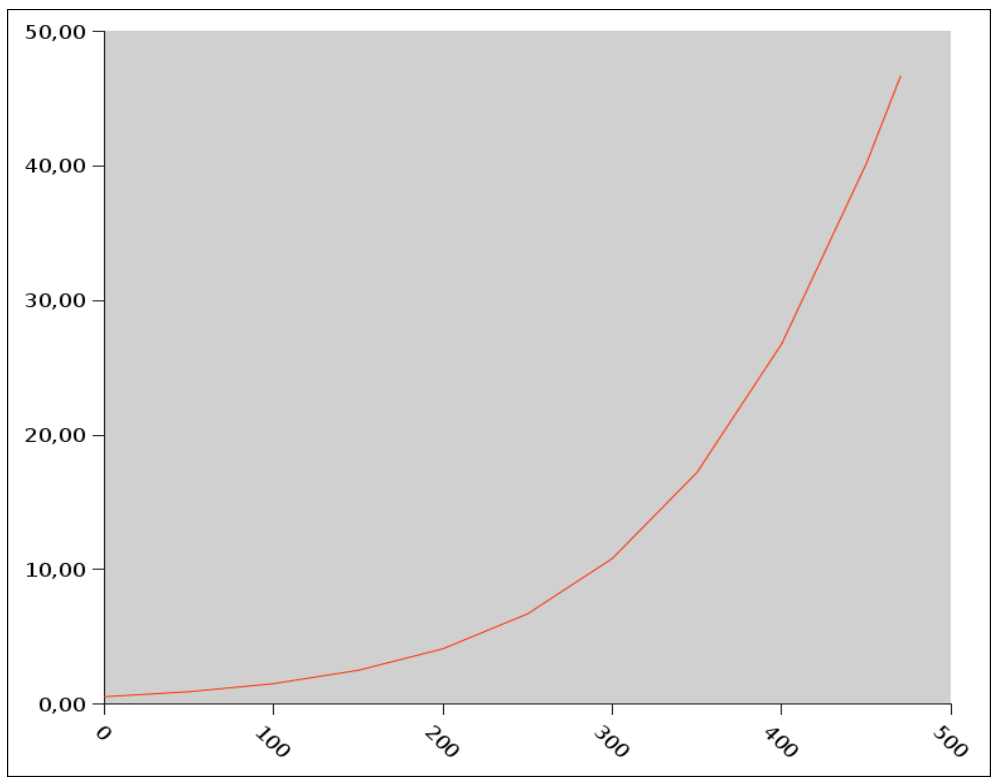 Estimated propability of death or non-fatal myocar...
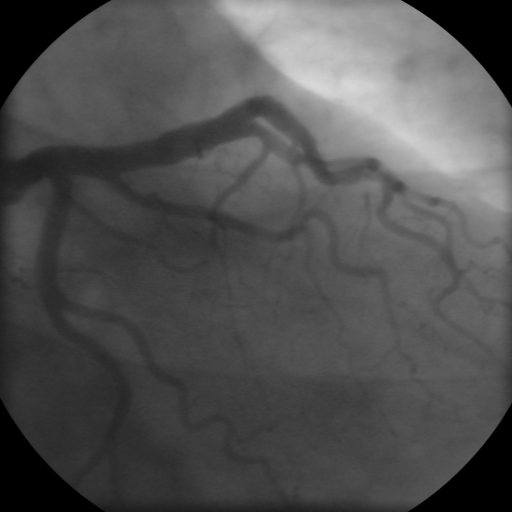 Coronary angiogram of a man
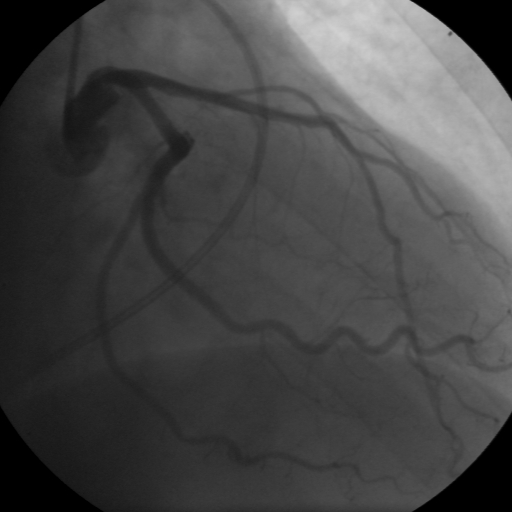 Coronary angiogram of a woman
The cause of a heart attack is not very complicated. Simply stated in scientific terms as myocardial infarction it basically means that the coronary artery becomes so clogged that the myocardium or heart muscle does not receive any oxygen. The first recorded case of a heart attack was on December, 1928. It was spotted by a Chicago physician by the name of James B. Herrick. He said that what appeared to be something else was actually a blood clot (thrombosis) which generally destroys the heart muscle therefore causing a myocardial infarction.
Next I will talk about the symptoms of heart attacks.
"As plaques begin to clog the coronary arteries, several things may occur. In some cases, no symptoms are noted until a fatal heart attack or sudden death occur as the first, (and last) event. In others, no symptoms...
Heart disease
Very imformative.
0 out of 1 people found this comment useful.