DRAMA FROM THE ROMANTIC PERIOD TO MODERN TIMES
Drama has revolutionized our era from the Romantic Period to the modern times with its vast developments over the years. Until the nineteenth century, most European playwrights "drew their tragic plots from ancient myths or legendary history" (Berggren 1). The choices of the dramatic subjects demonstrated that truly important things only happened to people with a high social status amongst society. In the Romantic Period (1785-1830), interest in the experiences of ordinary people reached a peak with Romanticism. In Germany, romantic ideas emerged early with the major works of playwrights such as Gotthold Lessing, Friedrich von Schiller and Johann Wolfgang von Goethe. The most noteworthy of the three, Schiller (1759-1805), "expanded the collection of theatrical plots by turning to the past for his subjects" (Berggren 3). At the peak of the Romantic period, many playwrights turned to neo-Shakespearean dramatic verse to write plays.
 Romanticism Without Borders
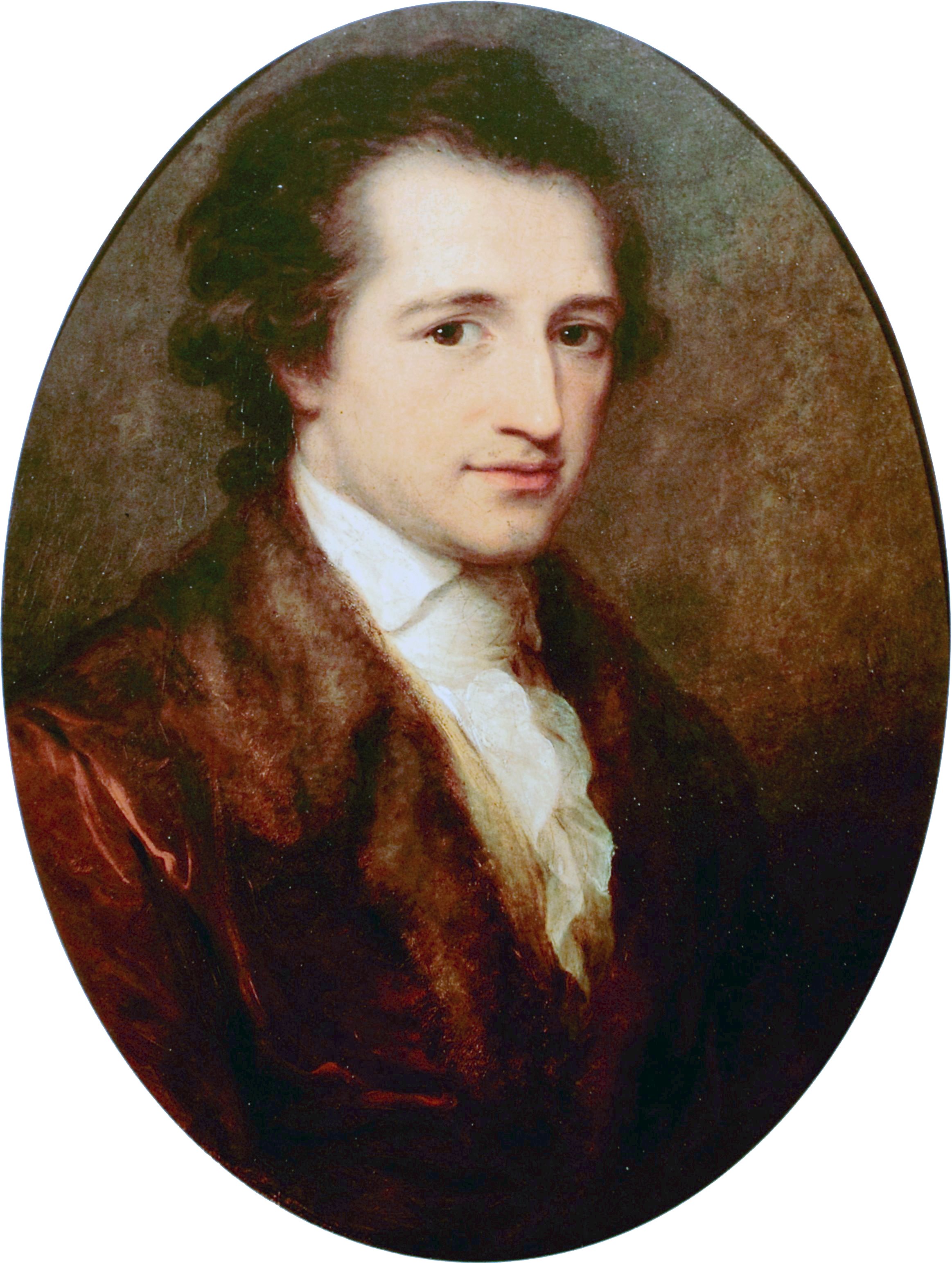 Deutsch: Bildnis Johann Wolfgang von Goethe; Weima...
 romanticism
These writers desired to explore philosophical issues in poetic dialogue that would have defeated believable acting before an audience. These plays were written to be read rather than performed and were known as closet dramas. Wordsworth, Shelley and Byron all wrote in this particular form.
The playwrights of the nineteenth century produced plays that involved major innovations in technology as photographically accurate scene pictures could be mounted on stage. Also, the events of the French Revolution and the Napoleonic Wars greatly impacted drama. Playwrights of the mid-nineteenth century focused on "uniting long lost relatives, exposing a villain's true motives that would end in true love and virtue" (Evans 143). These themes set the stage for modern play developments. Many playwrights of today have adapted these themes in their play developments by incorporating them into the plot and the roles of the characters. Perhaps the most theatrical form of drama...