Abstract
The history of the head-up display dates back to World War II. Since then, the head-up display has gone through a variety of changes and upgrades. Both the Airline Pilots Association and the Airline industry pursued the development of the head-up display because of the advantages it offers. As with any new technology, the head-up display has advantages and shortfalls. Education however, is the key to fully understanding new technology including the head-up display. With proper cockpit resource management training, the advantages the head-up displays bring to aviation result in the safest approach to flying.
Head-up display (HUD): A Safer Approach
The origin of the head-up display (HUD), a modern miniature instrument panel, was the reflective gun sight technology of World War II. This technology, Ellis explained, "used collimated displays reflected from a semi-transparent glass" which evolved into several different types of head-up displays, such as the traditional head-up display, reflective head-up display, and the GA head-up display (Ellis, 2000, p.
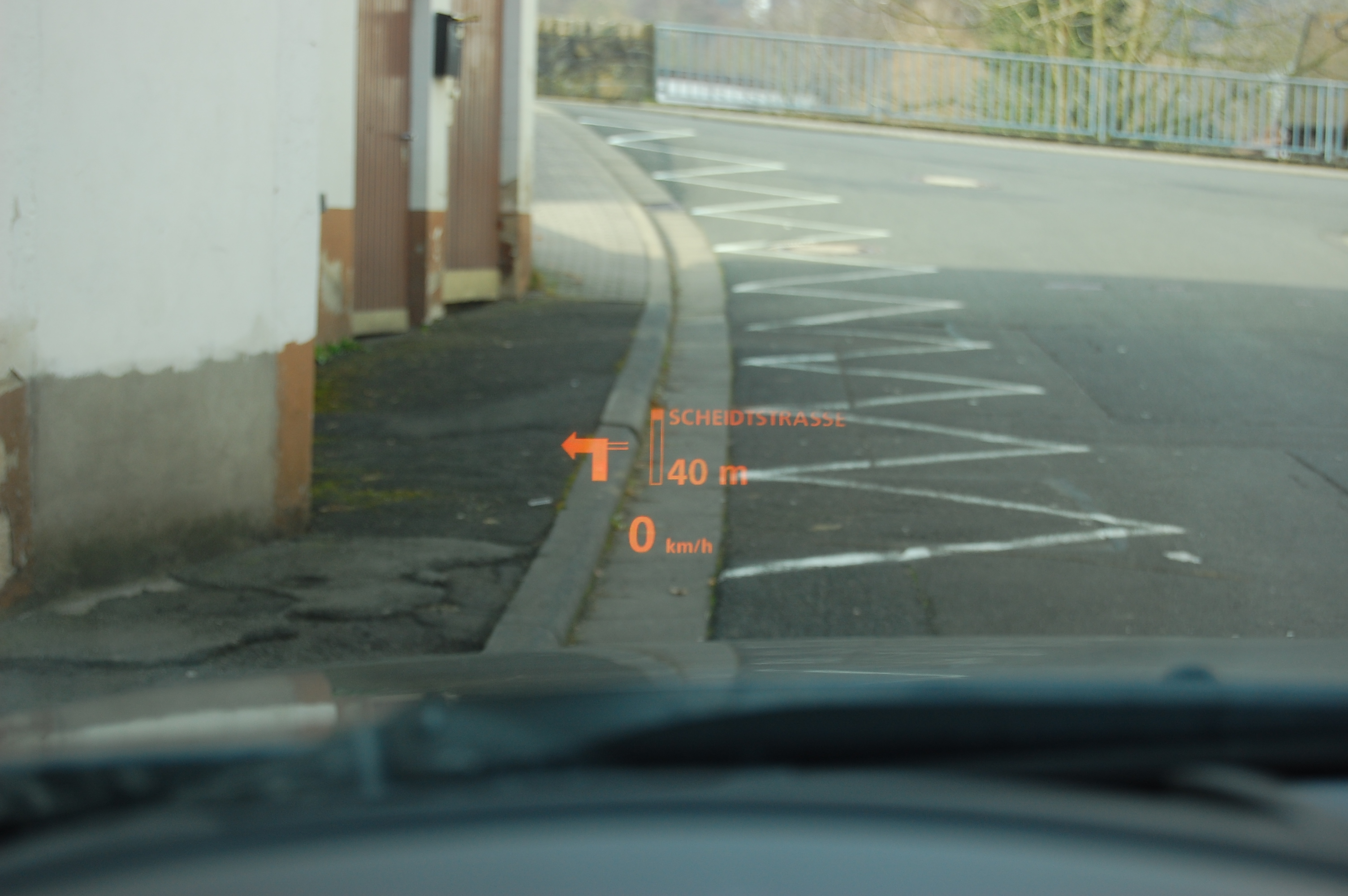 Head Up Display of a BMW E60
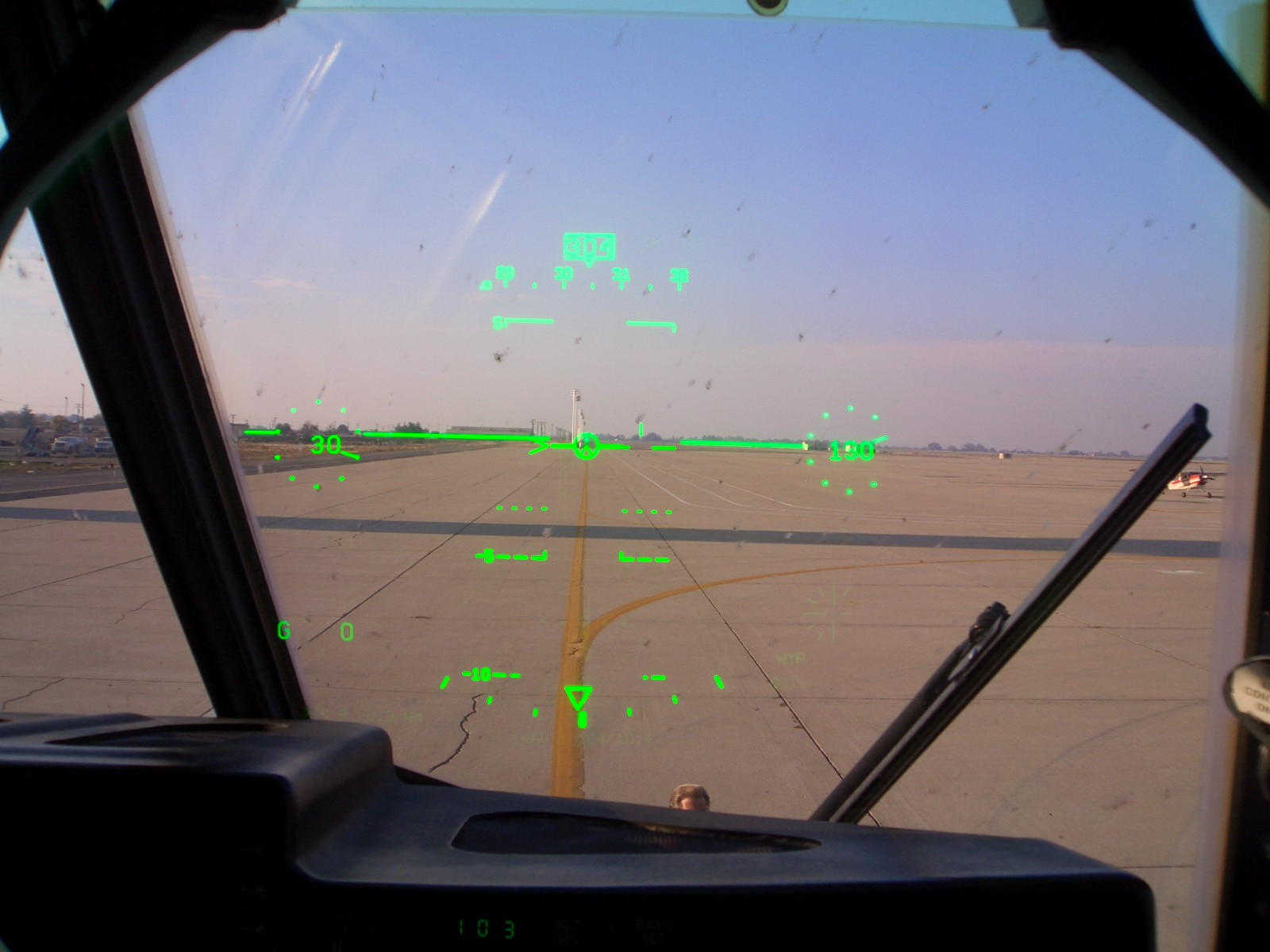 English: C-130J: Co-pilot's head-up display panel....
 HUD in a Pontiac Bonneville showing a speed of 47 ...
1). This evolution of the head-up display from World War II shows how technological processes, economics, and safety can all interact with each other effectively to create a safer approach to flying (Hawkins, 2000, p. 252). "The traditional head-up display uses a refractive optical design with combining glass to superimpose the head-up display symbols and the pilot's view of the real world" (Ellis, 2000, p.2). In this kind of system, the crewmember views the image on a semi-transparent combining glass, after a set of rays are produced from the image passing through a lens assembly (Ellis, 2000, p. 2). Compared to head-up displays with flat combiners, the reflective head-up display has the ability of a larger instantaneous field-of-view when used with optical power. This ability reduces the need for crewmembers head motion in order to view...