What is considered liberal versus what is considered conservative shifts in a similar pattern. While laissez-faire policies are considered liberal in the Roaring 20's, the onset of the Great Depression in 1929 quickly changed America's view of liberalism. Suddenly, the small government politics of Hoover were conservative and the progressive politics of Roosevelt were considered liberal. Thus, because the Great Depression quickly changed America's view of liberalism, Roosevelt can be considered a liberal and Hoover a conservative, despite occasionally supporting similar policies.
Because the Great Depression occurred during Hoover's term as president, in the public's mind, Hoover started his presidency as a liberal and ended it as a conservative. With the end of the Progressive Age in 1910, big business flourished because Harding, Coolidge, and Hoover kept government from intervening in the economy. Compared to the public purpose policies of Teddy Roosevelt, the laissez-faire policies of these presidents seemed extremely liberal.
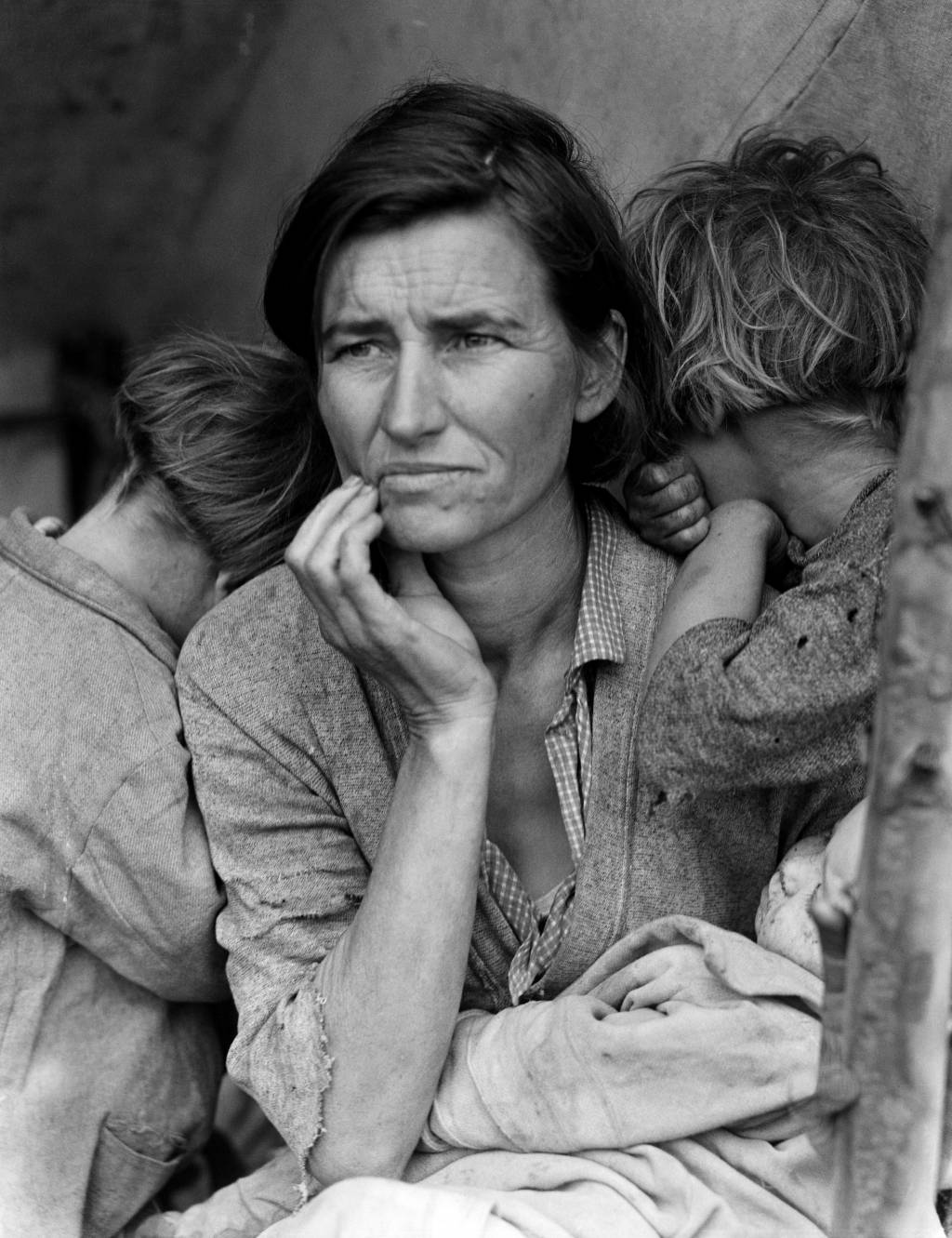 This image was selected as a picture of the week o...
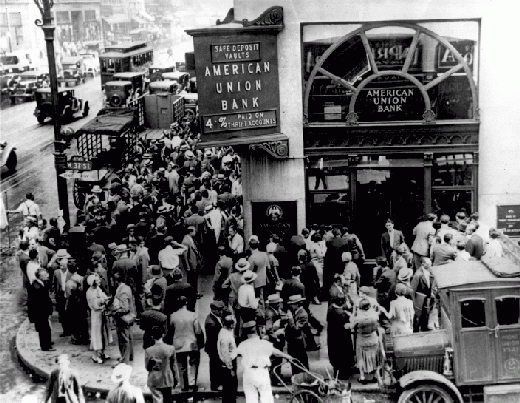 Experiences from bank runs during the Great Depres...
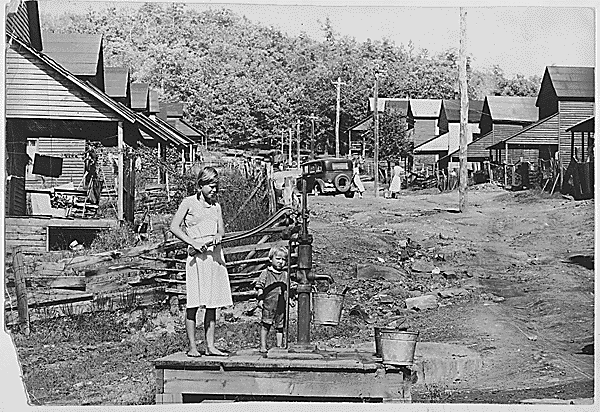 English: Pumping water by hand in 1942 from the so...
The invention of the production line which spurred on the Second Industrial Revolution, allowed businessmen such as Henry Ford to prosper, while automobiles and electrical appliances became available to the masses. America's success and optimism caused people to support the liberal policies of the 1920's.
However, even before the Depression, there were signs that Hoover was becoming more conservative. As Document A suggests, Hoover did not want to be considered completely laissez-faire. He seemed less determined to preserve the extremely capitalistic society of the 1920's which was run, often corruptly, by political machines, such as Tweed. However, the success of the American economy under the private interest beliefs of Harding and Coolidge required him to ensure that the lack of intervention in the economy would be maintained, but he also sensed the transformation of the views of the working masses who looked favorably on restriction of unfair business practices.
Hoover vs. Roosevelt
This was an enlightening comparison between the conservative Herbert Hoover and liberal Franklin Roosevelt. The documents you mention in your essay need to be further clarified.
7 out of 7 people found this comment useful.