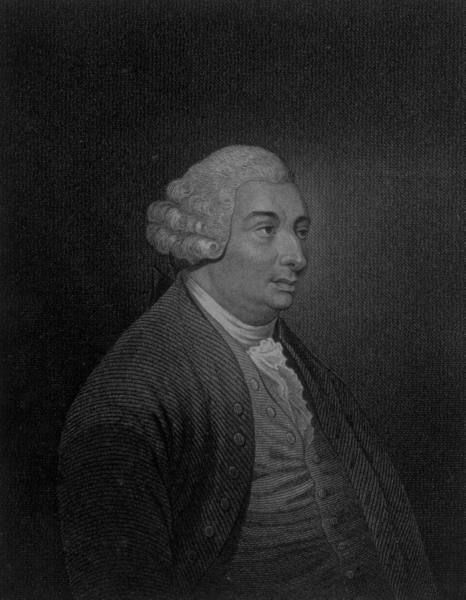
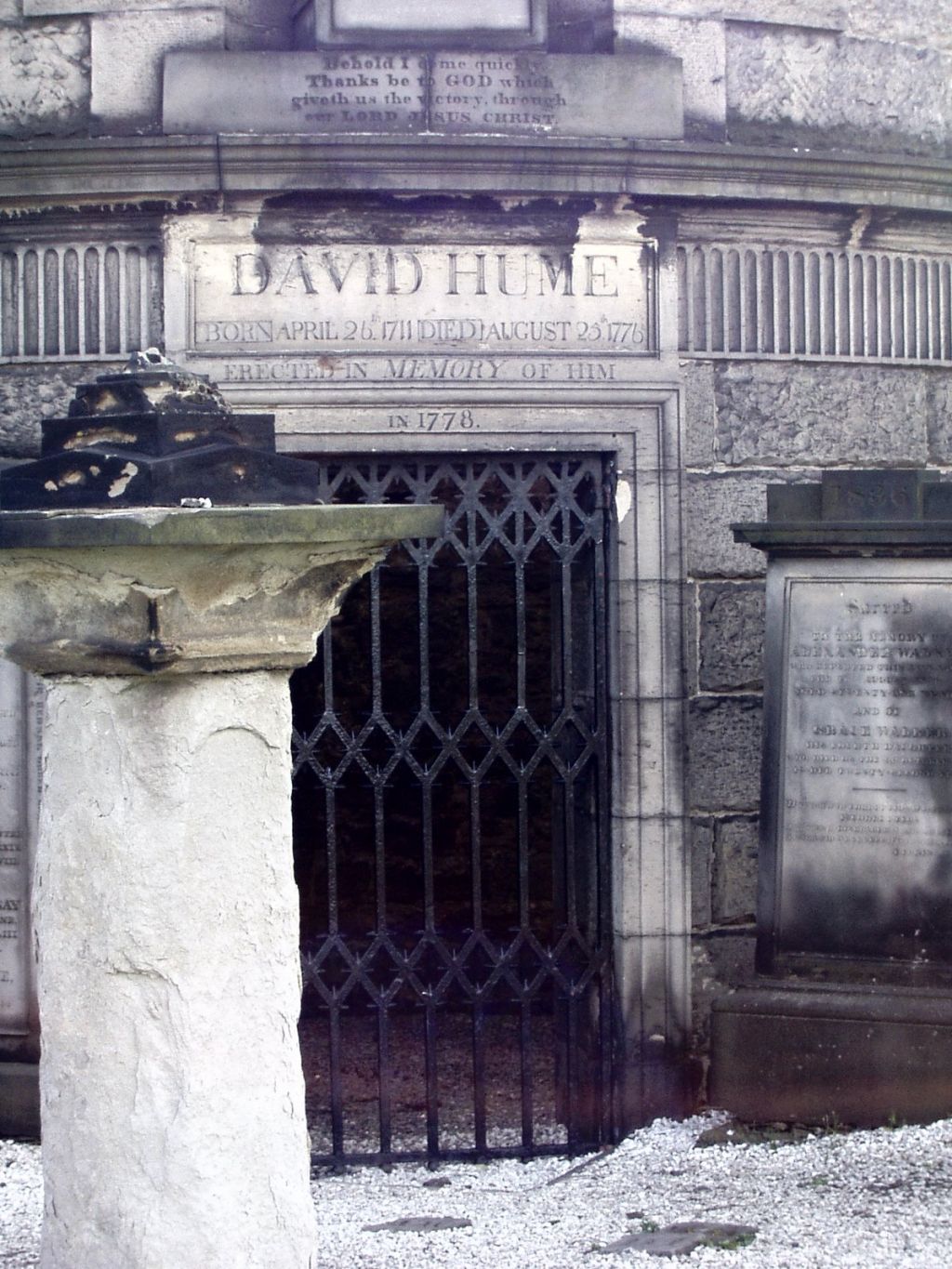
Hume
Hume
In explaining Hume's critique of the belief in miracles, we must first understand the definition of a miracle. The Webster Dictionary defines a miracle as: a supernatural event regarded as to define action, one of the acts worked by Christ which revealed his divinity an extremely remarkable achievement or event, an unexpected piece of luck. Therefore, a miracle is based on one's perception of past experiences, what everyone sees. It is based on a individuals own reality, and the faith in which he/she believes in, it is based on interior events such as what we are taught, and exterior events, such as what we hear or see first hand.
When studying Hume's view of a miracle, he interprets or defines a miracle as such; a miracle is a violation of the laws of nature, an event which is not normal to most of mankind. Hume explains this point brilliantly when he states, "Nothing is esteemed a miracle, if it has ever happened in the common course of nature. It is no miracle that a man seemingly in good health should die on a sudden." (Hume p.888) Hume states that this death is quite unusual, however it seemed to happen naturally. He could only define it as a true miracle if this dead man were to come back to life. This would be a miraculous event because such an experience has not yet been commonly observed. In which case, his philosophical view of a miracle would be true.
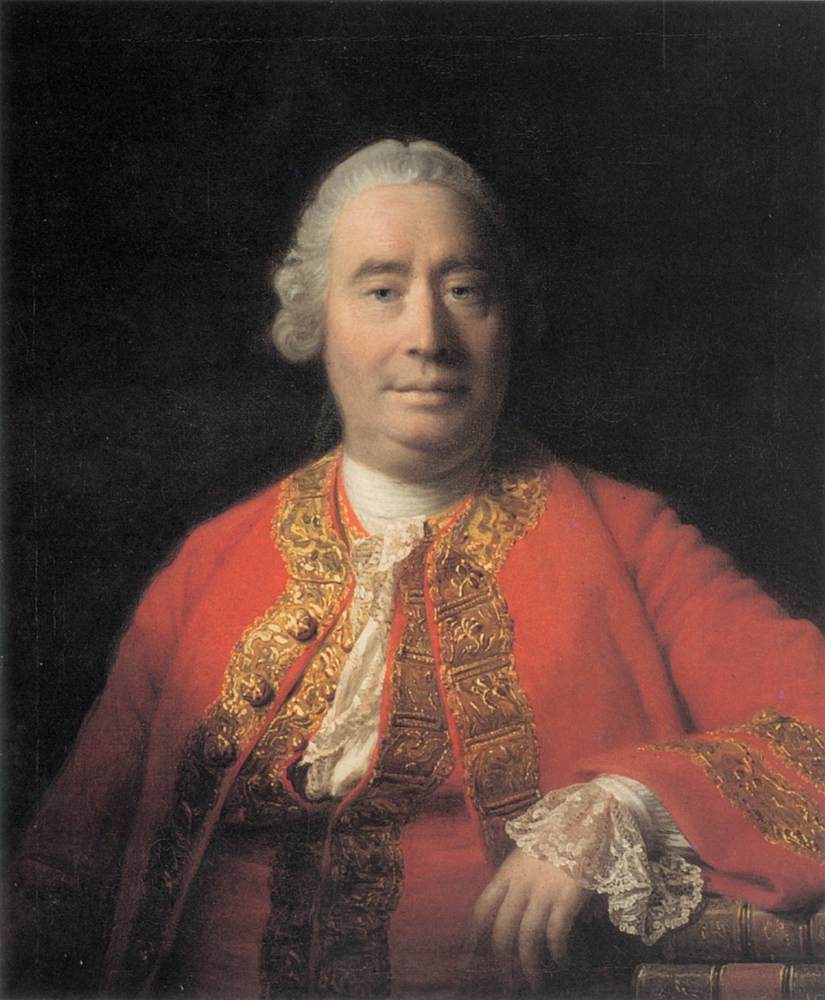
Hume critiques and discredits the belief in a miracle merely because it goes against the laws of nature. Hume defines the laws of nature to be what has been "uniformly" observed by mankind, such as the laws of identity and gravity. He views society as being far to liberal in what they...
More Modern Philosophy
essays:
Descartes' Dream Argument.
... sequence of events and there are "laws of nature" that make the world act in ...
To Cheat or Not to Cheat? - A Philosophical Decision Utilizing Kantian Reasoning
... Universal Law and Humanity theories. Kant's "Formula of the Universal Law of Nature" states that people should only act essentially ... universal law," (3) consider whether your proposed course of action, and therefore law, are ...
Descartes / Meditation III
... more of an influence on the course of modern ... that he recognizes that "it is not possible that my nature should be what it is, and indeed that I should have in myself the idea of God, if God did not veritably exist." As this illustrates ...
David Hume's critique of the belief in Miracles
... event because such an experience has not yet been commonly observed. In which case, his philosophical view of a miracle would be true. Hume critiques and discredits the belief in a miracle merely because it goes against the laws of nature ...
Essays on Suicide and the Immortality of the Soul: The Complete 1783 Edition David Hume
... from experience, if the soul be immaterial. -- Reasoning from the common course of nature, and without supposing any new interposition of the ...
Manipulative power. Refers to Ayn Rand's ideas
... vision, she proposes progress as a measurement of power and a solution to the 'process of self-sustaining actions', as an individual who exist not to triumph over other men, but in the conquest of nature. Nature is ...
The 1st temptation of Jesus as used to defend the inquisitor's argument in Dostoevsky.Freedom vs bread supported by marxism the institutional church the grand inquisitor and the church
... no supernatural or higher being because nature provides us with all the answers. Through science we can understand how we came to be (Darwinism), and what we are made of (atom ...
Utilitarianism and Omelas Applying John Stuart Mill's "Utilitarianism" to Ursula Le Guin's "The Ones Who Walk Away from Omelas"
... the course of this paper the author will try to demonstrate, depicting both sides of the argument, the reasons in which a follower of John Stuart Mill's "Utilitarianism" would disagree with the events taking ... all mankind; and not to them only, but, so far as the nature of things ...