Hurricanes.


Hurricanes are severe tropical storms which gather heat and energy through contact with warm ocean waters. Evaporation from the sea water increases their power. When they come onto land, the heavy rain, strong winds and heavy waves can cause massive destruction. In the past few weeks, America has had its worst nightmare. Its citizens have witnessed nature's most terrible catastrophes and continue to endure it's after marks. Three major hurricanes in quick succession have had severe impact on America's chief cities causing great devastation. These include Hurricanes Katrina, Ophelia and Rita.
Hurricane Katrina was the eleventh named tropical storm, fourth hurricane, third major hurricane, and first Category 5 hurricane of the 2005 Atlantic hurricane season. It caused great destruction in Bahamas, South Florida, Louisiana (especially Greater New Orleans), Mississippi, Alabama, Florida Panhandle and most of eastern North America. The highest wind-speed recorded was 185 mph (280 km/h). Over 1,100 deaths have been reported in seven states, a number which is expected to rise as casualty reports come in from areas currently inaccessible. New Orleans Mayor Ray Nagin estimates hundreds, and as many as thousands, are feared dead. Shortly after the hurricane ended on August 30, some residents of New Orleans began looting stores. Aside from the lack of water, food, shelter, and sanitation facilities, there was concern that the prolonged flooding might lead to an outbreak of health problems for those who remained in the hurricane-affected areas. Hurricane Katrina stood as a mighty blow to America's economy.
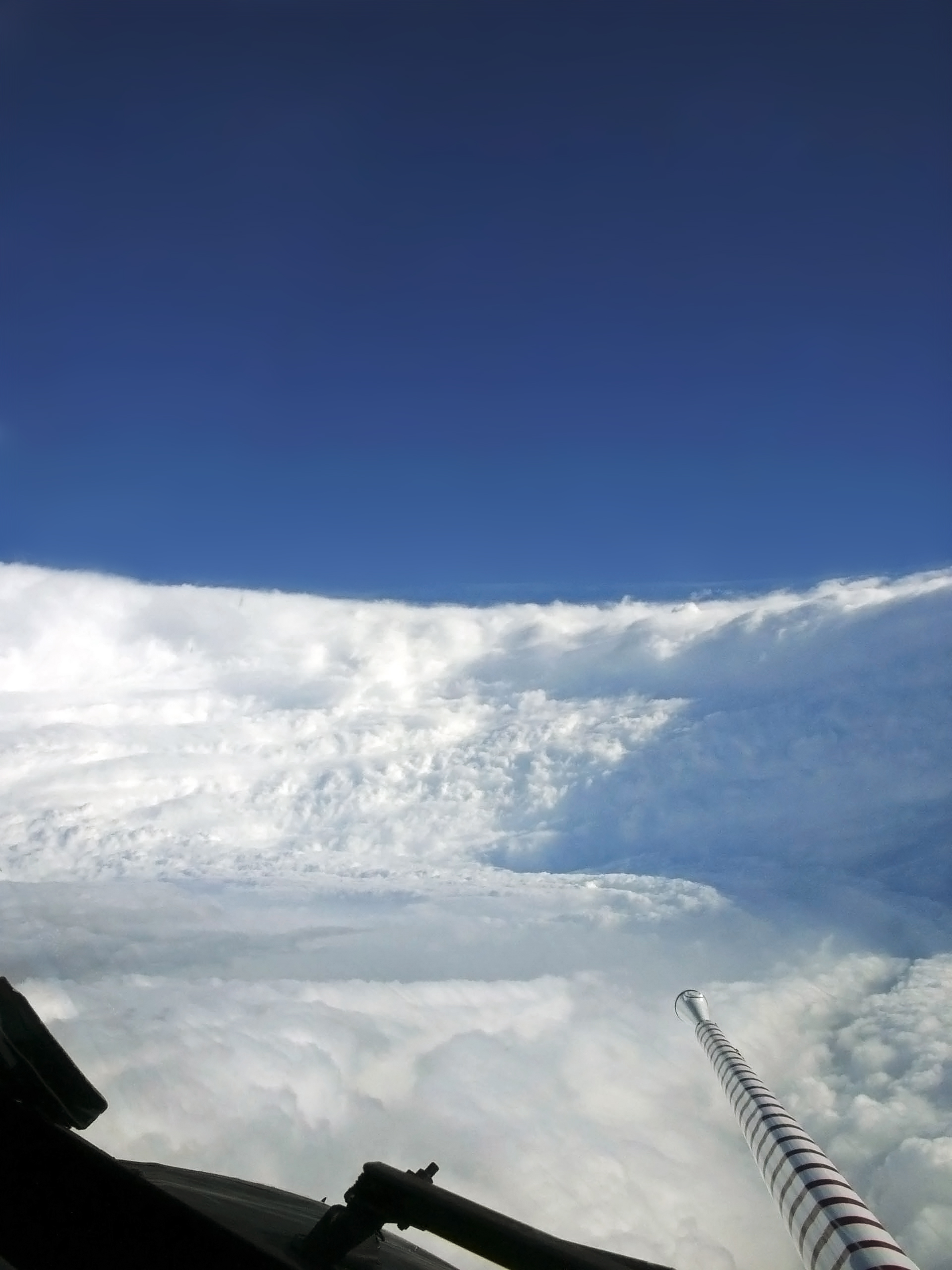
Hurricane Ophelia was the fifteenth named storm and the seventh hurricane of the 2005 Atlantic hurricane season. It was the first time that a storm was named "Ophelia." The highest wind-speed recorded was 85 mph (135 km/h). The areas which it affected include Northeast Florida, North Carolina, Massachusetts and Atlantic Canada. Hurricane Ophelia...
More Meteorology
essays:
Hurricane Katrina.
... named tropical storm, fourth hurricane, third major hurricane, and first Category 5 hurricane of the 2005 Atlantic hurricane season. It was the third most powerful storm of the season, behind Hurricane Wilma and Hurricane Rita, and the ...
The Day After Tomorrow Research Essay. An essay comparing and disproving scientific events in the movie, with similar scientific events in the real world.
... from heat and moisture from warm ocean waters [4]. They lose strength once they reach land due to friction and no supply of water [4]. Since hurricanes form on water, they surely cannot form in the arctic and no storm can ... have strong winds over relatively small distances [5]. It ...
A Statistical Account of Hurricane Katrina and it's Effect on the Gulf Coast, Posed Question: Would this natural disaster have occured the same way if the politicans in command had been different?
... against hurricane's and tropical storms. When moving over land hurricanes lose the power they get from moving over the warm, open waters of ...
Dealing with floods mainly in Canada. Past floods, prevention, flood management etc
... by strong wind, and invariably which induces flash floods and often triggers land slides in steep, unstable terrain. Freezing rain events are less common but they can have calamitous consequences as well. It can clearly be said that water can ...
Disasters, speaks of the study of hurricanes
... the storm leads to the economic data. The Atlantic hurricanes have three major tracks. They can go through the Caribbean and up through the Gulf of Mexico towards New Orleans and Texas, our they can go toward the bottom of Florida ...
Hurricane Andrew - The Facts and The Experience
... first tropical storm of the season. The storm moved northwest, and on August 22nd it reached the strength of a Hurricane. On August 24th it reached the Southern part of Florida. At this point the hurricane had become a category four ...
Description of weather patterns
... event and involves abnormal cooling of the same ocean waters. This ...
What are "concentric eyewall cycles" (or "eyewall replacement cycles") and why do they cause a hurricane's maximum winds to weaken?
... the storm, and as the outer eyewall completely replaced the original one the hurricane reintensified. Another example is Hurricane Allen (1980) which went through repeated eyewall replacement cycles -- going from Categrory 5 to Category 3 ...