Impact of advances in information and computer technology on production planning and control systems
Technology advancement has increased greatly over the last couple of decade; these advances has had an impact on music, art, science, media, entertainment and manufacturing and a seemingly endless number of other fields. However, the aim of this literature review is to assess the impact of information and computer technology on production planning and control systems.
A production planning and control system is concerned with planning and controlling all aspects of manufacturing, including materials, scheduling machines and people, and coordinating suppliers and customers. According to Sridharan and Kanet production planning and control include four major activities aggregate capacity planning, materials planning, production activity planning and production activity control. Therefore it is a function of the organization that is critical to its success. Consequently, companies have found ways to improve its production planning and control systems by utilizing the technology that is available today.
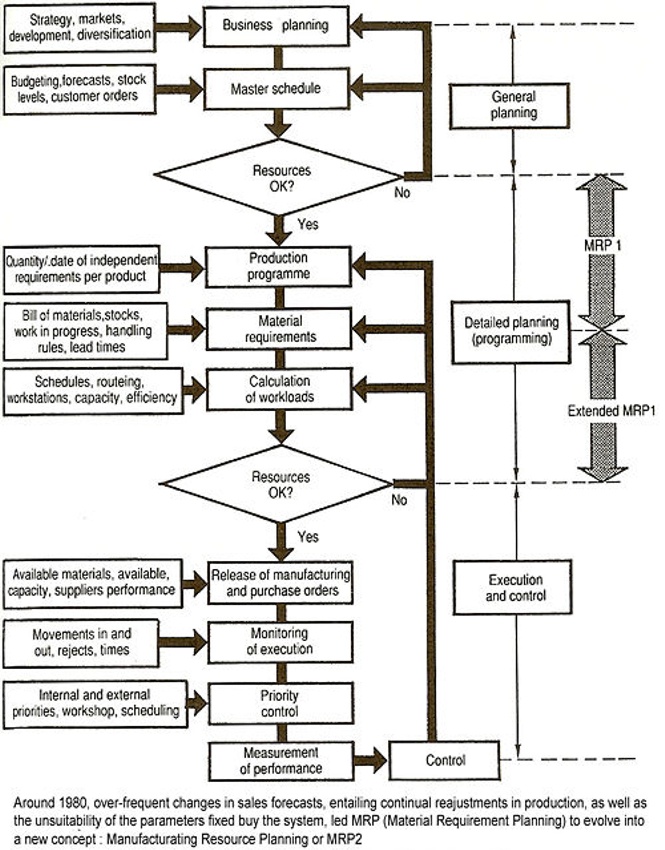 Manufacturing Resource Planning (or MRP2) - Around...
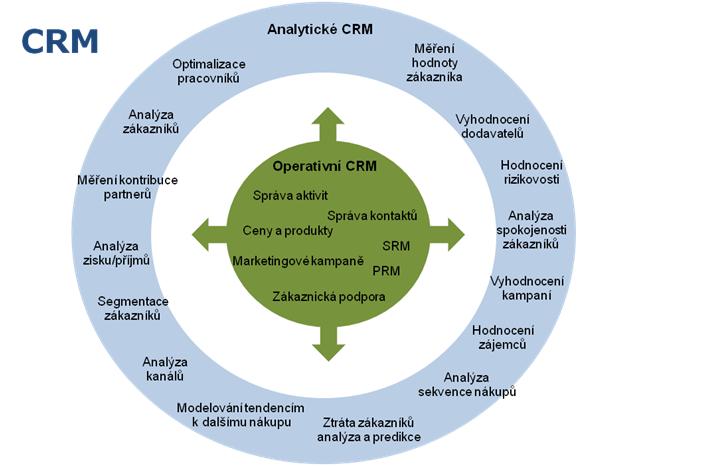 Analytické CRM
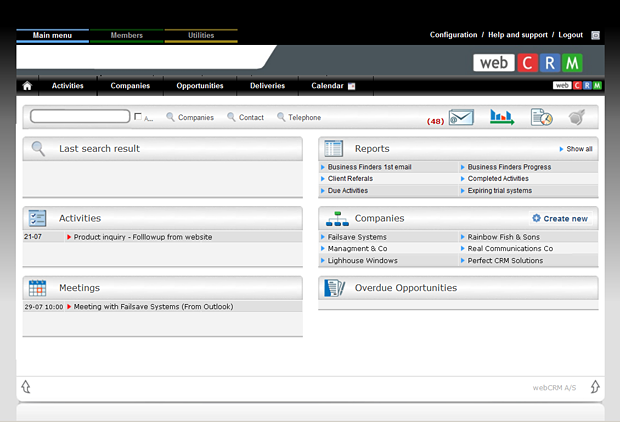 English: Screenshot from WebCRM
Some of the popular systems that technology has spurred on include material requirement planning systems (MRP), materials resource planning systems (MRPII) Enterprise resource planning systems (ERP) and customer resource planning systems (CRP) among many others.
Firstly, information systems technology has paved the way for manufacturing organizations to integrate information and plan the use of resources in the form of enterprise resource planning. A definition of Enterprise resource planning( ERP) is large sophisticated software system used for identifying and planning the enterprise wide resources needed to coordinate all activities involved in producing and delivering products(Reid, Sanders). These systems in essence provide instantaneous information through computers to all departments so that decisions can be made using up to date information. ERP improves the efficiency of all four major activities of production planning and control mentioned above. An example of a benefit of the system is...