The First World War impacted significantly on the homefronts of the participating nations in many different social, political and economic areas. There was a widespread restructuring of primary industry with a large orientation towards militarism. There was massive political change where new systems of power were introduced that gave governments a range of new powers including the control over industry. The civilian population had severe restrictions placed upon their rights and liberties due to the necessities that total war required.
The scale of the war forced all sectors of society to change and adapt to the growing scale of the war. In 1914 the British government believed that the war would be a brief one and as a result there was little done to prepare for the eventuality of the war stretching out over as long a period of time as it did. As the war progressed and no major gains were made by either side it became clear that there would need to be a much greater war effort.
 germany
 germany
![[German vehicle tax registration issued to George Grantham Bain] (LOC)](/uploads/6/60390/german-vehicle-tax-registration-issued-george-grantham-bain.jpg) [German vehicle tax registration issued to George ...
[German vehicle tax registration issued to George ...In order to cope with the massive logistical effort required to keep the war going the governments introduced new laws and legislation to improve output, efficiency and control.
The Defence of the Realm Act that the British government introduced gave the government almost unlimited ability to control and regulate life for the citizens of Britain. It allowed for the censorship of anything deemed potentially damaging or could undermine the loyalty to the King, the process of recruitment, or economic confidence. Along with this the Munitions Of War Act was brought in making labour striking illegal in order to keep a smooth output of produce. There were masses of new taxes introduced to pay for the huge war costs. Income taxes were raised by over 20 percent by the end of the war, bank loans went up to help increase revenue and the majority of wages were lowered. As the war went on the agricultural resources of the allies began to get into short supply and as a result these food shortages were managed with limitations on the import, production and distribution of foods with sugar being banned in sweets in 1916 as it was needed elsewhere. Voluntary rationing on milk, sugar, tea and meat began in 1916 and became compulsory after April 1918
As a result prices for produce grown by farmers skyrocketed. Many farmers would sell their produce to the highest bidder meaning that the working class was the worst off. By 1917 the population was tiring of the war and its seeming lack of progress. The American resources that were provided at cost to the allies were a significant advantage for the allies as they could receive supplies from an outside source while they had blockades set up all around Germany, its allies and their ports.
In Germany a similar system to the one employed in Britain. It was achieved by the creation of a German supreme war office, known as the Kriegsant, which brought in new laws similar to the British. The government gained much larger control over the population and as a result inflicted losses on civil liberties. A war food office was established in 1916 and created 258 new laws control the supply and distribution of essential food and other produce resources. There was an understanding between employers and employees that agreed on a truce where they would not strike or rebel about the difficult conditions and low wages they were being payed through the war. This law called the Burgfrieden was integral for the German homefront war effort. The Patriotic Auxiliary Service Law was introduced in response to the shortage of workers. This act made it possible for all men between the ages of 17 and 60 to be called upon to be part of the countries labour force. as their was a Germany suffered a lack of hard to find raw materials such as nitrates and raw metals. Food prices went up by as much as 400 percent by the end of the war making it almost impossible for the common working class to afford basic necessities.
The need for all of the socioeconomic structures to work together towards the war effort was paramount. The shortages of food in Germany became so severe that bread rationing became widespread and hundreds of thousands of people starved during the war. This was not helped by the lack of attention paid to agriculture by the German government and the destroyed crops of 1915-1916. Mortality rates for children rose along with those of adults and elderly citizens. This starvation and poor living conditions led to the general disdain for the war but due to the terrible losses and casualties already suffered it was thought that only victory would suffice to somewhat offset these hardships.
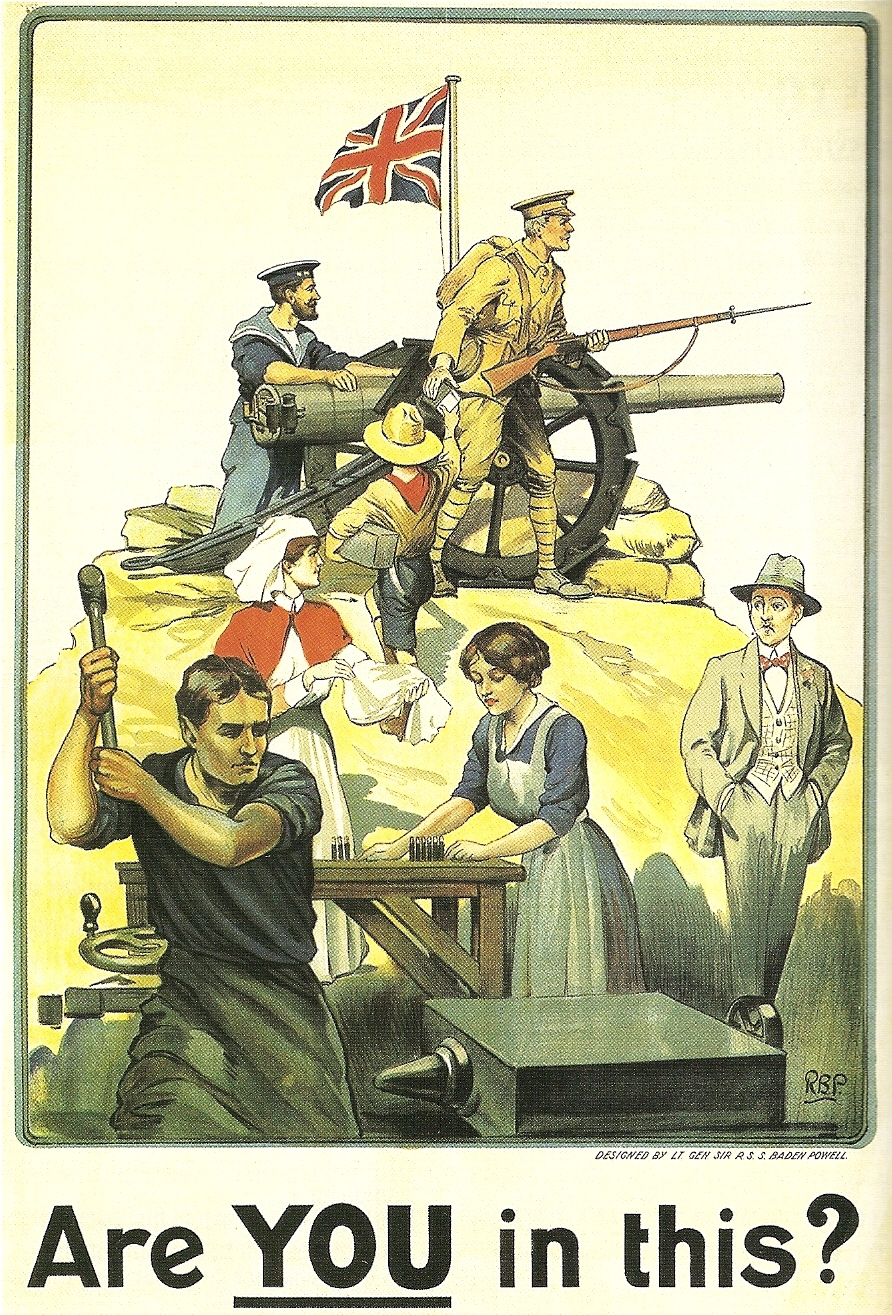
Despite the massive arms stockpile that had been amassed by both sides of the conflict both sides ran short and had to drastically increase their workforce and number of hours that they worked. In Britain this was achieved by the formation of a three party coalition that has elements working to find solutions to this problem. The shortage of workers was largely due to the lack of men in the workforce as they were almost all enlisted in the army as soldiers. The deficit grew as the war went on when more and more men were conscripted and enlisted. A new workforce was needed to work in the jobs that they filled. Female workers largely filled a massive amount of these positions with a smaller number of prisoners of war doing farming work. For the first time women worked in large numbers in industrial factories, producing weapons and munitions for the men on the front lines. They often worked in difficult and dangerous conditions and as a result injuries and casualties were high. Women also filled positions as bank tellers, attendants and other such jobs for the first time. This was revolutionary in itself as before this time society and the workforce was largely dominated by men. The fact that so many women worked to support the war effort shows that previous ideas were changing and social barriers were broken down to an extent. Wages paid to women were still substantially lower that those that were paid to men. Social change in the way women were perceived. A large impact of the war on the homefront's society was that when the war ended women were able to retain some of the new found status in society and did not have to return to the virtually obsolete and secondary roles they had previously held.
Propaganda and censorship was used extensively by both sides during the war.
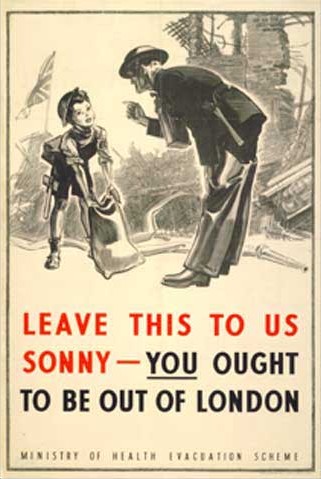
Propaganda was used by the British government to misinform and withhold information from the population about events in the war that would not be of high public opinion, such as the massively high casualty figures. It was thought that if the public could be kept in the dark about the problems with the war that everything would run more smoothly. Both sides of the conflict described the other as the aggressor and that they were defending themselves. On the allied side Britain exaggerated German resources and on the other side Germany went as far as saying that the French invaded Germany and that they were only fighting back. The impact this would have had on the homefront would have been one of patriotism and support for the cause, albeit often under partially false pretences. A form of propaganda that was used in the war was the use of posters by Lord Kitchener to promote voluntary enlistment by using the phrase "your country needs you". This was trying to invoke the viewer's sense of patriotism to fight for their country without actually giving any details about the ordeals that would have to be faced. There were many other similarly patriotic forms of propaganda used to a similar effect. Recruitment drives for the armies were often accompanied with a large campaign of propaganda and misinformation in hope of a higher number or men joining up.
Censorship worked alongside the propaganda that the government released. The respective governments of both sides both had complex systems in place to censor anything that was outlawed. These systems encompassed the postal system newspapers and any other published text. If these censors were not abided by offenders faced arrest without a warrant and swift prosecution. These restrictions led to civil unrest and increasing anti-war sentiment in all countries that had it forced upon them.
The impact of continual hardships on the civilian populations on the home fronts of the British and German sides eventually led to large civil unrest, especially due to the massive losses of loved ones, friends and family members. The anti-war sentiment grew largely and if the war had not ended when it did the governments would have faced a massive problem. The impact of the social, political and economic changes that occurred over the course of the war were widespread. They changed the way of life for all with the masses of new technological advances. The political changes were ongoing after the war and continued to affect the population. The economic debts faced from the cost of such a long war impacted so much on the economic situation that it took a long time for the economies of participating nations to recover.
 English: Poster used by the British government in ...
 English: Forgery by the British Government of the ...
 English: A British government poster used during t...
A good essay
A very good and detail essay. I had to do something like this for my History coursework and i got alot of new pointers from this essay. I can include these points that you mention on my essay.
5 out of 5 people found this comment useful.