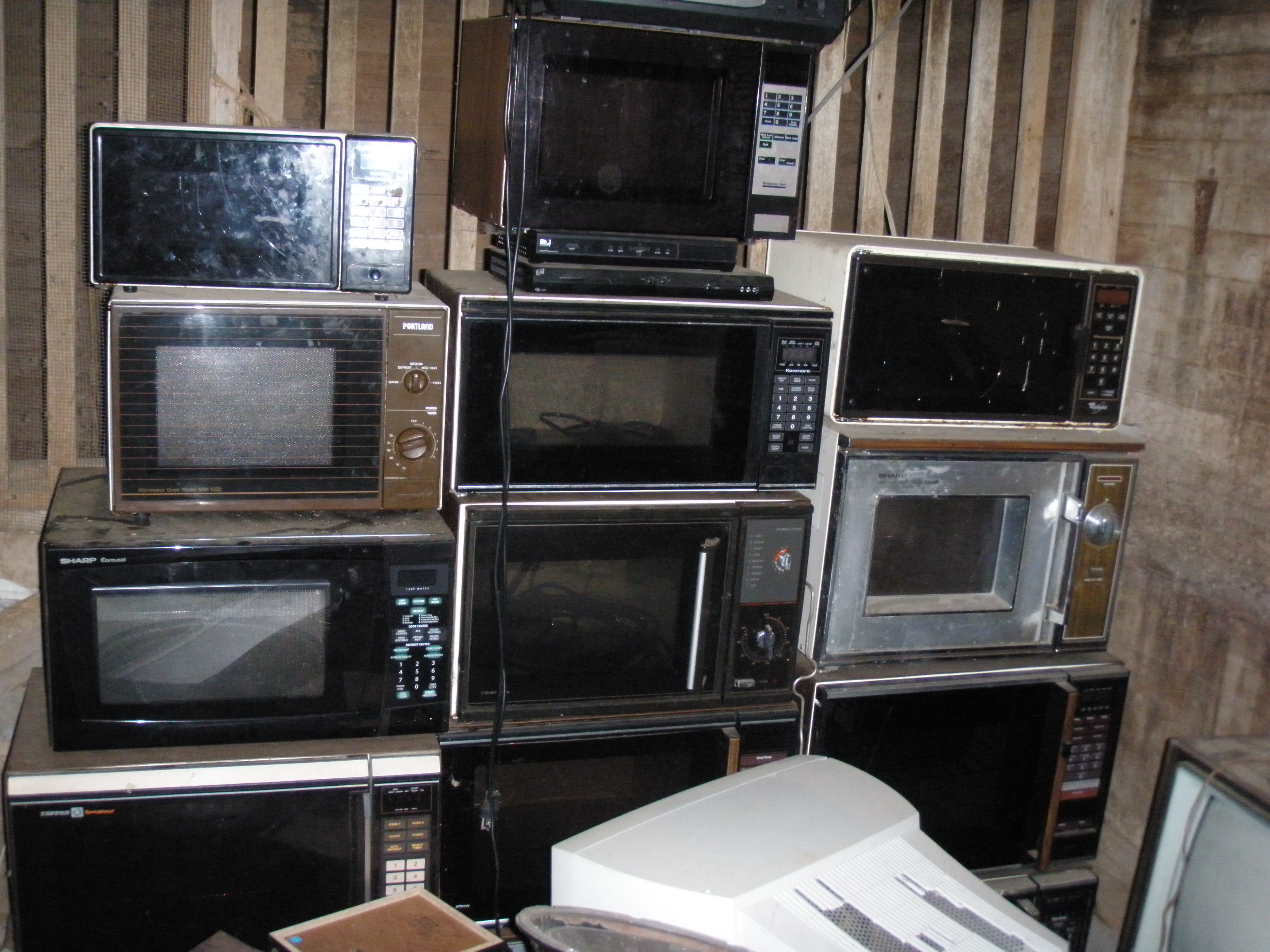
"Introduction of the Microwave"
Looking at the world we live in today, many things that we have or use are taken for granted. We don't think much about how a telephone works when we're talking to our friends, or how emails and faxes can travel from one unit to another within a blink of an eye. When we go inside our homes and turn on our TV's, do we ever wonder how the human mind could ever comprehend radio waves and electromagnetic energy? How were these things invented? How did anyone get the first ideas to experiment? After all, complex things such as computers, televisions, and microwaves had to have had a great impact on society. And so did simpler things, such as bar codes, plastic, and Velcro.
By 1976, over 60% of U.S. households were using microwaves, just 30 years after its first invention. Today, microwaves are used all around the world, resulting in fresher food, less waste, and money saved. But how did the microwave get started? Who invented them and how did the inventor make such an astounding discovery? Because of this revolutionary new invention, Americans will never be the same in the ways of "old-fashioned" cooking.
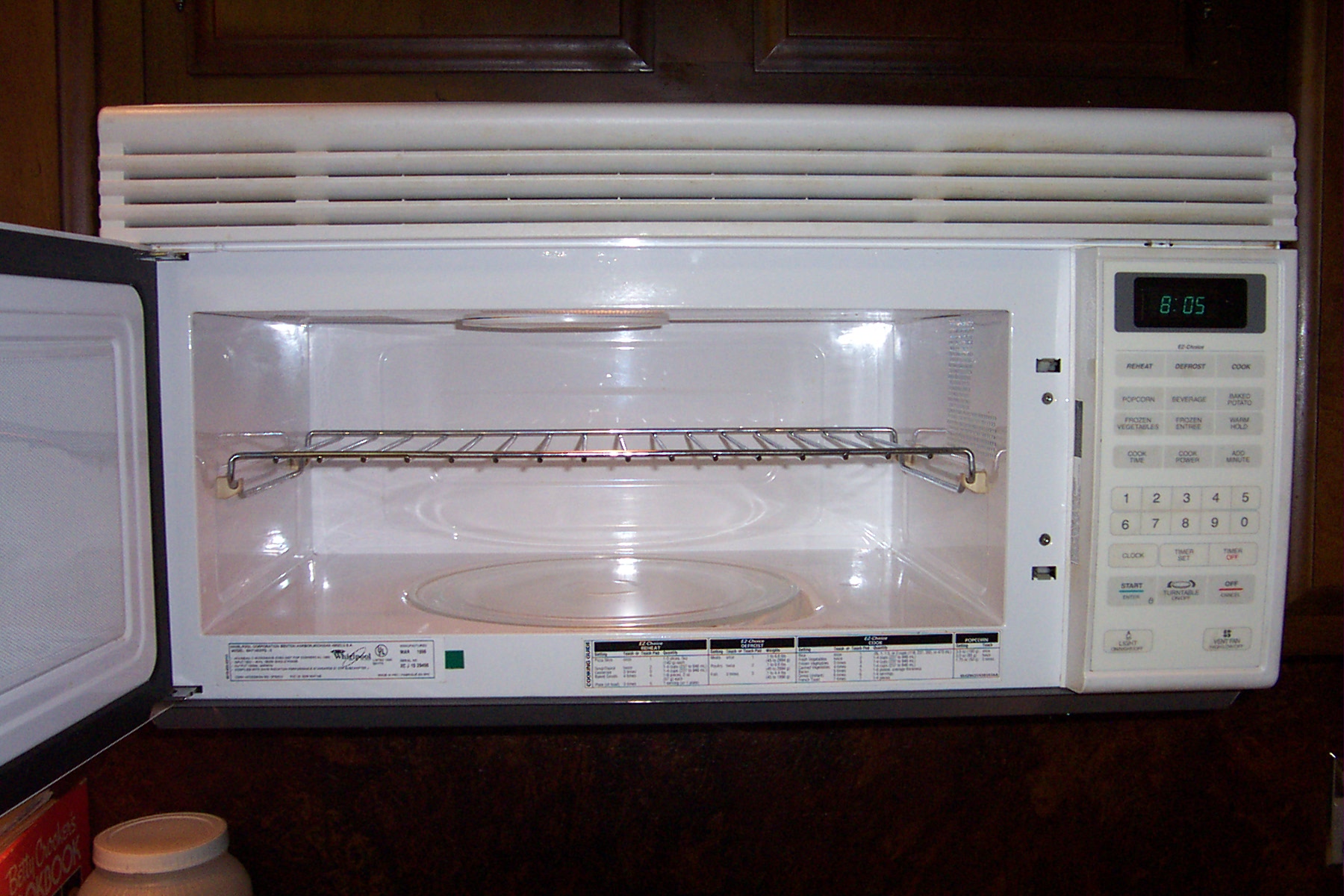
In 1946, Dr. Percy Spencer noticed something very unusual. As an engineer with the Raytheon Corporation, he was testing a new vacuum tube called a magnetron, (which was also used the previous year in the making of the first electronic computer). During his experimenting, a candy bar in his pocket suddenly began to melt for no apparent reason. This surprised Spencer and sparked an odd curiosity in him. He went off and got some popcorn kernels, bringing them back and laying them in front of the tube. And oddly enough, the popcorn popped all over his lab. Now the experimenting began.
The next morning,
More Technology
essays:
The History of "Civilian Aircraft Safety" 1960's to now
... with the Air Safety Agencies all around the world. Civilian aircraft safety sets high priorities on teamwork and international cooperation. There are two Federal Agencies who are mainly responsible for air ...
The Advancement of Technology for People with Disabilities
... was an idea for purposes like when you're working out at the gym. But, in today's day and age, television is probably the biggest distributor of entertainment and deaf people deserve to watch ...
From Past to Present In this new age of development we take simple things like a telephone, a refrigerator, or a car, all for granted.
... s world is growing ever dependant on technology. The telephone for example is something we all take for granted. Every house is expected to have ...
Technological Changes in Video Games
... just for fun. Have a look at the real life how many internet caf_ in the city has opened since 2000? Internets have become the way Australian live. Either it is to socialize or amusement everything can all be ...
Development of Computers and Technology
... people around the world, to the World Wide Web, which is a mass of information networked from places around the world. Nowadays, no matter where you look, computers are somewhere, doing something. Changes in computer hardware and software have taken great ...
Radios, and how they work
... receive radio waves. By measuring the wavelength of the waves and knowing the frequency of oscillation, he was able to calculate the velocity of the waves. He thus verified Maxwell's theoretical prediction that electromagnetic waves travel at the speed ...
History of Home Video Games - From Pong to Playstation. 1,833 words. Includes an abstract. Very detailed.
... recorder to the video signal. That ensured that my pre-recorded voice-announcements describing each of the games would come from the speaker of our color TV set. That all worked like a charm....and impressed everyone present at the demo ...
Digital Television in India
... companies around the world the confidence to come to India and get the best services and products in television broadcasting. Another prestigious contract that we have just handled is that of the Indian ...